From the Archive: Olive Trees in Florida? (2007)
Back in 2007, a small Florida tree farm was growing thousands of olive trees. An unlikely place for an olive — and a good way into a question worth understanding: the olive grows in far more places than the Mediterranean, but it does not grow just anywhere.
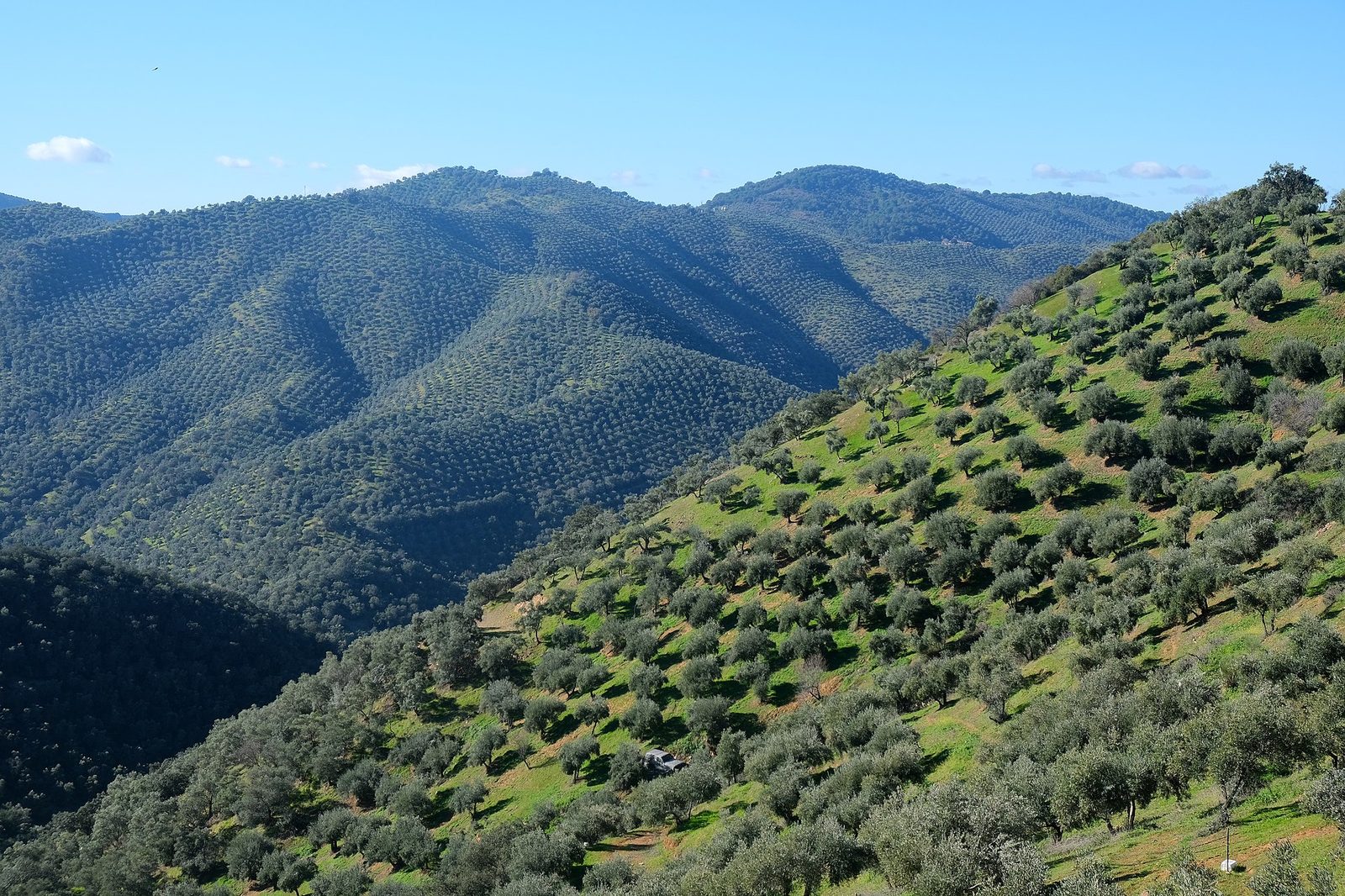
A tree farm in central Florida stocking several thousand olive trees, pitching the olive as a handsome, unusual addition to a Southern landscape : the romance is easy to see. And you truly can grow an olive tree far outside its Mediterranean home. But there is a wide gap between growing a tree as an ornament and running it as a fruiting orchard — and Florida sits squarely in that gap. The reasons are worth knowing, because they explain where olives will and won’t reward a grower anywhere in the world.
What the olive genuinely wants
The olive is famously tough on the things that defeat other crops : it endures drought, heat and poor, stony soil with ease. That reputation for hardiness is well earned. But toughness against dryness is not the same as toughness against everything, and the olive has two firm preferences that a place like Florida struggles to meet. Miss either and you get a living tree that never gives you a decent crop.
The two things Florida gets wrong
The first is humidity. The olive is built for dry Mediterranean air ; in warm, wet, humid conditions it becomes prone to fungal diseases and the fruit struggles. The second is winter chill. Olives need a spell of cool winter weather — a stretch of genuinely cold nights — to flower and set fruit properly. Much of Florida is simply too warm in winter for the tree to fruit reliably. You can coax the odd olive from a tree there, but a serious, consistent harvest is another matter.
Grown, not farmed — and why it matters
So the honest picture is this : olives can be grown as attractive ornamentals across much of the Deep South, and a determined grower may get a little fruit — but Florida has never become a serious oil or table region, and the reason is climate, not lack of effort. It is a useful correction to the cheerful ‘olives grow everywhere now’ story. They grow in many more places than people think — Texas, parts of the American South, cool uplands in the tropics — but the tree keeps its preferences, and humidity is not among them.
| Loves | Hot, dry summers; stony, well-drained soil |
|---|---|
| Tolerates | Drought, heat, poor ground, salt to a degree |
| Needs to fruit | A cool winter chill period; dry air |
| Dislikes | High humidity (fungal disease); mild winters |
| In Florida | Fine as an ornamental; unreliable as an orchard |
| The lesson | Olives grow widely — but not literally anywhere |
- The olive resists drought, not damp — humidity, not cold, is often its downfall in the South.
- No winter chill, no reliable fruit — the flowers need cool nights.
- An ornamental olive is not a failed orchard; it is simply a different thing.
- Match the tree to the climate, not to the wish — effort cannot overrule weather.
Growing olives outside the Mediterranean: common questions
Can olive trees grow in Florida?
They can grow as ornamental trees, but Florida’s high humidity and mild winters make a reliable fruit crop very difficult. It has never become a serious olive region.
Why does humidity hurt olives?
The olive evolved for dry Mediterranean air. In warm, humid conditions it becomes prone to fungal diseases, and the fruit struggles to develop cleanly.
Do olive trees need cold weather?
Yes. Olives need a period of winter chill — a stretch of cool nights — to flower and set fruit properly. Too mild a winter and they fruit poorly or not at all.
Where in the United States do olives grow well?
California is the heartland, with its dry, Mediterranean-type climate. Parts of Texas, Georgia and the arid Southwest also grow them, but hot, humid regions are far less suited.
Is a non-fruiting olive tree still worth having?
Absolutely — olives make handsome, drought-tolerant ornamentals. Just choose it for its looks and toughness, not for a harvest, if your climate is against fruiting.
Every few years someone announces that olives now grow somewhere unlikely, and it is usually half true and half wishful. The tree really is astonishingly adaptable to poor soil and drought — but it has two non-negotiables, dry air and a cool winter, and no amount of enthusiasm rewrites them. Before anyone plants a grove on the strength of a warm climate alone, the question is not ‘will a tree survive here?’ but ‘will it flower and fruit here, year after year?’ In Florida, honestly, the answer is no.
Originally prompted by a 2007 report of an olive-tree farm in Citra, Florida (now offline); rewritten as an evergreen note on olive climate needs.