IOTEX 2008 brings world olive producers to Jordan
Jordan hosts olive trade fairs, sits in the international olive institutions and grows olives on a large share of its farmed land. Yet its oil is almost invisible on world markets. The reason is one of the more interesting facts in the trade.
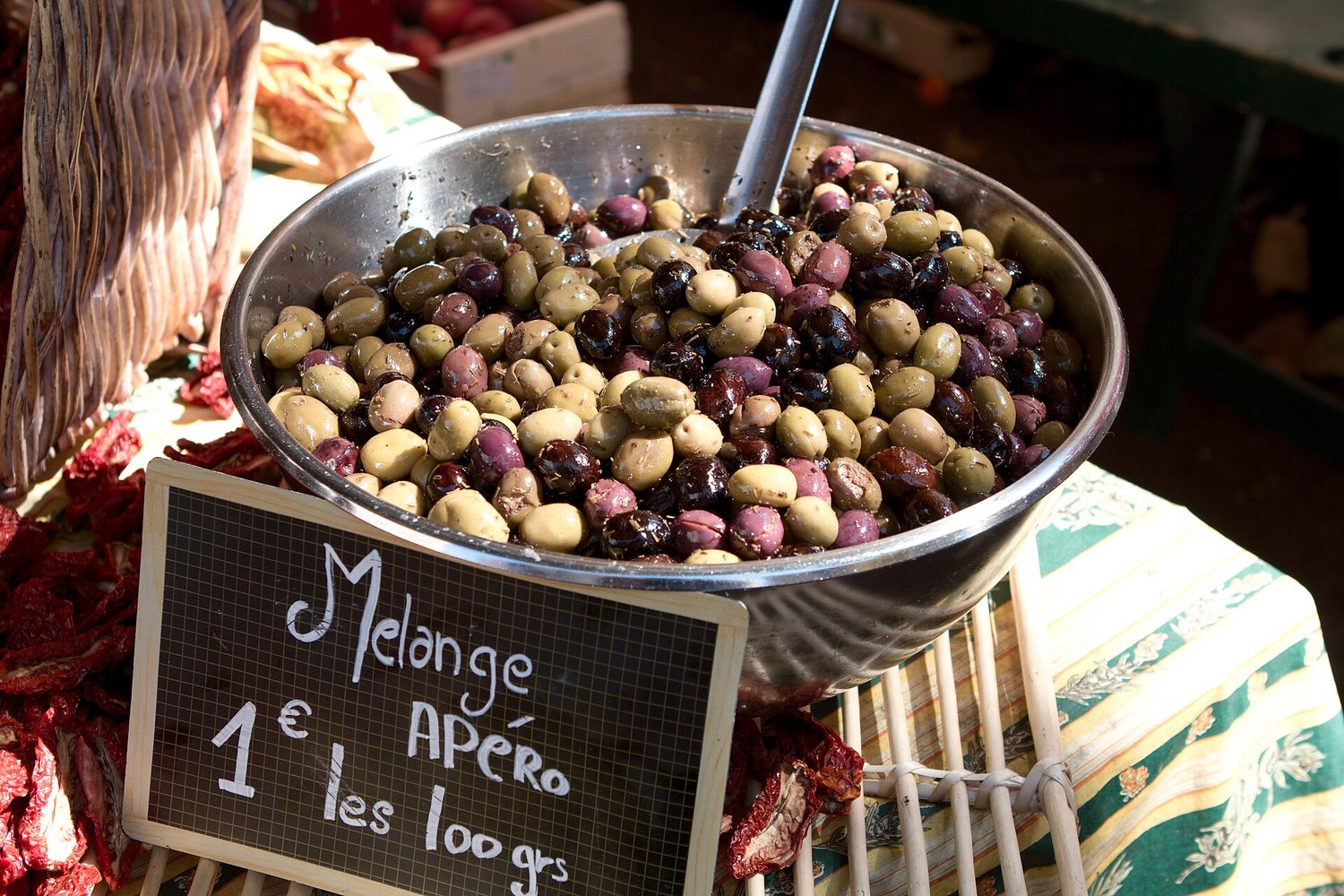
Jordan is a small country with a serious olive culture. The tree covers a large share of its cultivated land and is by some distance its most important fruit crop, concentrated in the wetter northern highlands — Ajloun, Jerash, Irbid — with further groves running south through Madaba and Karak and down the rift shoulders.
The country belongs to the international olive institutions, hosts trade exhibitions that pull in buyers and equipment makers from a dozen countries, and produces oil of genuine quality. And yet you will almost never find a Jordanian bottle in a European or American shop. That is not a failure of marketing. It is a structural fact about how oil moves in the Levant.
The oil that never reaches a shop
In much of the Levant, olive oil is not primarily a retail product. It is a household provision. A family buys its year’s oil directly — from a relative’s grove, from a known grower, from the village mill during the pressing season — in tins of sixteen or twenty litres, and stores it at home. The transaction is personal, the provenance is known by name rather than by label, and no supermarket is involved at any point.
Add to that a per-capita consumption that is among the highest in the world, and the arithmetic resolves itself: a country can grow a great deal of olive oil and still export almost none, simply because its own households absorb the crop. Jordan is a clear example, and so, in varying degrees, are its neighbours.
This is also why regional trade fairs matter more than they look. For a producer in this system, the useful contacts are not supermarket buyers but millers, equipment suppliers, packaging firms and the export agents who might one day open a route out. An exhibition in Amman is infrastructure, not publicity.
Nabali Baladi, and what the local oil is like
The dominant variety across Jordan and the wider region is Nabali Baladi — baladi meaning local or native — a hardy, drought-tolerant, dual-purpose olive suited to rain-fed cultivation on thin hill soils. It is joined by Nabali Mohassan, an improved selection, and by other regional cultivars including the Souri type widespread across the Levant.
The style of oil that results tends to be robust, with pronounced bitterness and pepper when the fruit is picked early, softening considerably when it is picked late — as, traditionally, much of it was. Local taste in the region often favours a riper, milder, more golden oil than the aggressively green style prized by international competitions, which is a genuine cultural difference and not a deficiency.
| Main variety | Nabali Baladi, with Nabali Mohassan and regional Souri types |
|---|---|
| Growing regions | Ajloun, Jerash, Irbid in the north; Madaba, Karak and the rift shoulders further south |
| Cultivation | Predominantly rain-fed on hill terraces; irrigation where water allows |
| Harvest | October to December |
| Main destination | Domestic household consumption, largely outside retail channels |
| Consumption | Per-capita olive oil consumption among the highest in the world |
| Institutional status | Member of the international olive institutions; regular host of regional trade exhibitions |
What this means if you ever get hold of some
- Expect a robust, sometimes rustic oil — and judge it on its own terms, not against a competition-style green oil.
- Ask when it was milled. In a farm-to-household system the oil is often extremely fresh, which is its great advantage.
- Tins are normal, not a downgrade. A sealed tin protects oil better than clear glass ever will.
- Do not expect a certification seal. Trust runs through personal provenance in this system, which works locally and travels badly.
- If you see a Levantine oil exported and bottled, it is usually a deliberate premium project, and worth trying.
Jordanian olives: common questions
Is Jordan a major olive oil producer?
Not by world volume, but olives are its most important fruit crop and cover a large share of its cultivated land. Its significance is regional and domestic rather than in export statistics.
Why is Jordanian olive oil so rarely seen abroad?
Because almost all of it is consumed domestically. Oil typically moves directly from grove or village mill to household in large tins, never entering retail or export channels.
What is the main Jordanian olive variety?
Nabali Baladi — literally the local or native Nabali — a hardy dual-purpose variety suited to rain-fed hill cultivation, alongside Nabali Mohassan and regional Souri types.
When is the Jordanian olive harvest?
Broadly October to December, with timing driven by altitude, rainfall and whether the fruit is destined for oil or the table.
What does Jordanian olive oil taste like?
Typically robust, with real bitterness and pepper when picked early and a softer, riper, more golden character when picked late — the style traditionally preferred locally.
The tin is the detail that tells you everything. Across the Levant, oil is bought once a year in a sealed sixteen-litre tin from someone whose name you know, and that system produces oil that is fresher than almost anything a European supermarket sells — while generating no brand, no label and no export statistic. Western buyers read the absence of Jordanian bottles as an absence of Jordanian oil. It is the opposite: the oil is so thoroughly spoken for at home that there is no surplus to bottle. When a Levantine oil does appear on an export shelf, someone made a deliberate decision to divert it, and it is usually worth your money.
Drawn from published agricultural and international olive institution material on Jordanian olive cultivation, varieties and consumption patterns.