The new way to enjoy ancient olive
Long before anyone bottled the oil for its health claims, Mediterranean households were brewing the leaves. The modern olive-leaf supplement is that old habit meeting an industrial by-product — and a great deal of marketing.
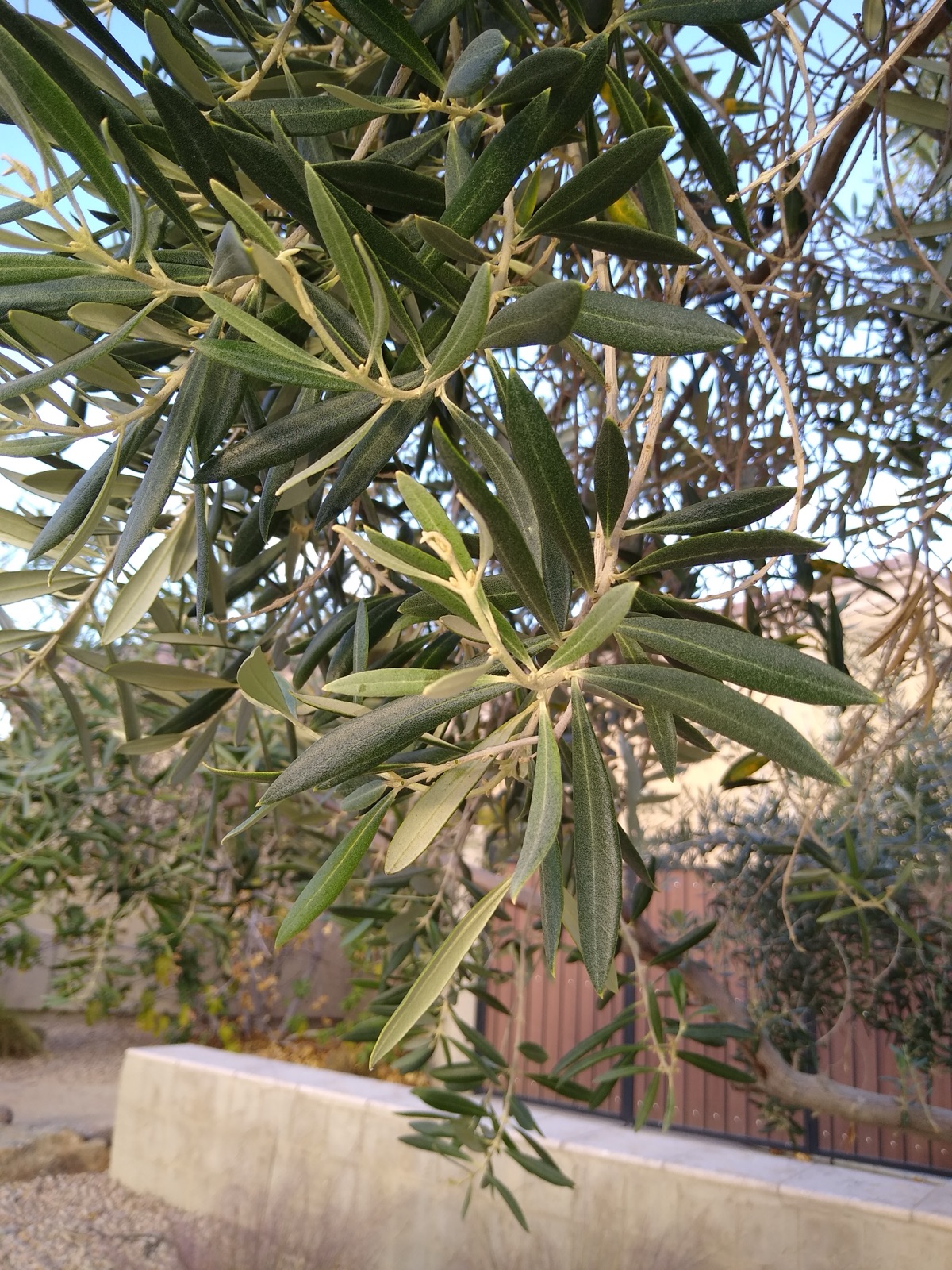
The olive tree has been treated as a medicine cabinet for a very long time. Not the fruit, which needed curing before it was even edible, and not always the oil, which was expensive — but the leaves, which are free, available all year, and which every household with a tree had in abundance. Infusions of olive leaf appear in Mediterranean folk practice for fevers and general malaise across many centuries and many cultures. That is the honest starting point: a long, widespread traditional use, which is evidence of popularity rather than of efficacy.
This is general information, not medical advice.
| Antiquity onwards | Olive leaf infusions used across the Mediterranean as a household remedy, chiefly for fevers |
|---|---|
| Nineteenth century | European pharmacognosists describe and write up olive-leaf preparations used against fevers |
| Early 1900s | Oleuropein, the leaf and fruit’s principal bitter compound, is isolated and named |
| Mid twentieth century | Laboratory work reports antimicrobial activity of olive-leaf constituents in vitro |
| 1990s to 2000s | Standardised olive-leaf extracts become a mainstream supplement category worldwide |
| 2011 onwards | European regulators authorise one narrow claim for olive oil polyphenols and decline broader leaf claims |
| Today | Leaf and mill residues are processed industrially for extracts, cosmetics and food antioxidants |
| Principal compounds | Oleuropein, hydroxytyrosol, tyrosol, verbascoside, flavonoids |
What is actually in a leaf
Olive leaves are extremely rich in oleuropein, the same intensely bitter phenolic compound that makes a raw olive inedible. They also contain hydroxytyrosol, tyrosol, verbascoside and various flavonoids. In the fruit, curing removes or transforms most of that bitterness. In the leaf, it simply stays, which is why leaf tea is astringent and why leaf is a far more concentrated source of these compounds than the oil is.
That concentration is the whole commercial proposition. To get a meaningful dose of olive phenols from oil you must drink a fair amount of oil, and the phenol content of oil is highly variable and declines with age. A standardised leaf extract can deliver a defined quantity of oleuropein in a capsule. Whether that is useful is a separate question from whether it is possible.
What the evidence supports, and what it does not
Be careful here, because this is a field where careful language matters. Laboratory studies consistently find that olive-leaf constituents are potent antioxidants and show antimicrobial activity in vitro. That is a genuine finding about chemistry in a dish. It is not a finding about what happens in a person, where absorption, metabolism and dose change everything.
In humans the picture is thinner and more modest. There is some clinical research on olive-leaf extract and blood pressure, and on markers of lipid metabolism, generally in small trials with variable preparations and doses. It is suggestive rather than settled, and it describes modest effects at best. Meanwhile, claims that olive leaf treats or prevents cancer — which circulated widely on the back of early laboratory and animal work — are not supported by clinical evidence in people, and repeating them is not a harmless enthusiasm.
The regulatory position reflects this. European authorities examined the olive polyphenol dossier closely and authorised exactly one claim, and it is a narrow one: olive oil polyphenols contribute to the protection of blood lipids from oxidative stress, where the oil supplies at least 5 mg of hydroxytyrosol and its derivatives per 20 g. Broader claims for leaf extracts were not accepted. When a regulator that is willing to approve one claim declines the rest, that refusal is information.
The part nobody markets: this is pruning waste
Here is the unromantic engine of the whole category. Every olive grove on earth generates enormous quantities of leaf and small wood every single year, because olives must be pruned to crop. Historically this was burnt, mulched or dumped. Add the leaves separated from fruit at the mill, and the pomace and vegetation water left after extraction, and you have millions of tonnes of phenol-rich residue with a disposal cost attached.
Turning that into a saleable extract is a genuinely good idea — it is one of the better circular-economy stories in agriculture, converting a waste stream with real environmental impact into food antioxidants, cosmetic ingredients and supplements. But knowing where the raw material comes from should calibrate your expectations. This is a by-product finding a market, not a rediscovered ancient elixir. Both things can be true at once, and the first is the reason the shelf is full.
If you are going to buy it anyway
- Look for a stated oleuropein content, in milligrams. The word extract on its own tells you nothing about strength.
- Prefer a named extraction ratio and a batch number over romantic packaging and heritage claims.
- Treat cancer, immunity and antiviral claims as red flags. They are not supported for people and their presence tells you about the seller.
- Tell your doctor if you take blood-pressure or blood-sugar medication, since plausible interactions have been raised.
- Leaf tea is a pleasant, cheap traditional drink — enjoy it as a drink, not as a treatment.
- If your interest is the phenols, a fresh, bitter, peppery extra virgin olive oil used raw is a food-first way to get them.
Olive leaf and olive extracts: common questions
What is olive leaf extract?
A concentrated preparation from the leaves of the olive tree, usually standardised to a stated content of oleuropein, the bitter phenolic compound the leaf is rich in.
Does olive leaf extract work?
Laboratory studies show potent antioxidant and in vitro antimicrobial activity. Human evidence is thinner, mostly small trials suggesting modest effects on measures such as blood pressure. It is suggestive, not established. This is general information, not medical advice.
Does olive leaf prevent or treat cancer?
No. Claims of that kind derive from laboratory and animal work and are not supported by clinical evidence in people. Treat any product making such a claim with suspicion.
Is olive leaf tea the same as an extract?
No. A tea is a dilute infusion with a variable and unmeasured dose. A standardised extract delivers a defined quantity of oleuropein per capsule.
Where does the raw material come from?
Largely from pruning residues and from leaves separated from the fruit at the mill, which is why the category grew alongside efforts to valorise olive by-products rather than out of new medical evidence.
Every few years the industry finds a new way to sell the same molecules, and every time the story gets a little older-sounding — ancient remedy, forgotten wisdom, the secret of the Mediterranean. What is actually happening is that the pruning pile finally has a buyer. That is a good outcome and I am glad the waste is being used. But if you want the compounds, the cheapest, most pleasant and best-evidenced route is still a young, bitter, peppery oil poured raw over your food. No capsule, no heritage story, and you get dinner out of it.
Drawn from published phytochemistry of Olea europaea leaf, the documented history of olive-leaf preparations, clinical literature on olive-leaf extract, and the European authorised health claim on olive oil polyphenols. This is general information, not medical advice.