Florida: Marion couple looks forward to seeing olive crop come in
Every few years someone plants a thousand olive trees in a subtropical state and waits. The trees usually thrive. The crop usually does not arrive. Here is the biology behind that disappointment, and where the exceptions are.
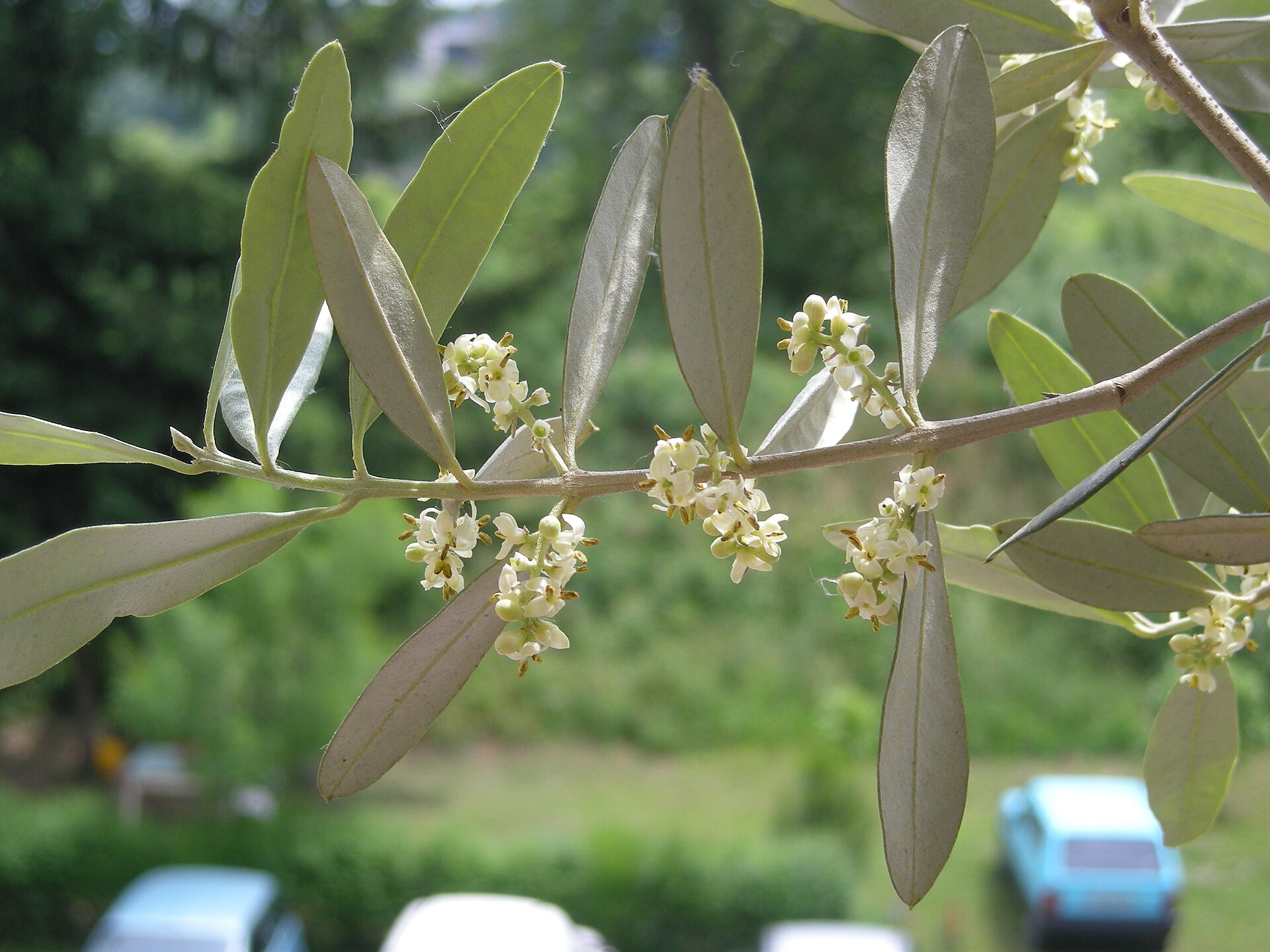
An olive tree is a wonderfully forgiving plant. It will survive poor soil, drought, salt wind and decades of neglect, and it will look elegant doing it. This is precisely why subtropical olive projects keep happening: the trees go in, they grow beautifully, and everyone concludes the climate suits them. Then year follows year with plenty of new leaf, a scattering of flowers and almost no fruit, and nobody can work out what went wrong. The answer is not the soil, the water or the fertiliser. It is winter.
The number nobody mentions: chill hours
Olives are among the many temperate fruit crops that need a spell of cold before they will flower. Through winter the tree accumulates chill hours — time spent below a threshold usually taken as about 7 degrees Celsius, or 45 Fahrenheit. Without enough of them, floral buds are simply not induced. The tree wakes in spring, decides it has not been through a winter, and puts its energy into shoots and leaves instead of flowers.
Published requirements vary by cultivar and by how you measure, but figures in the region of two to three hundred hours are commonly cited for olives, with some varieties needing considerably more. Worse, the accumulation is not a ratchet. A run of unusually warm winter days can partially cancel chill already banked, so a mild December followed by a warm January can leave a tree short even in a place that averages enough cold. That is exactly the pattern of a subtropical winter.
| Winter chilling | Roughly 200–300 hours below about 7 °C for many cultivars; some need more |
|---|---|
| Warm-spell risk | Several unusually warm winter days can partially undo accumulated chill |
| Summer | Wants hot and dry; the olive is built for a Mediterranean rhythm |
| Rainfall | Prefers modest annual rainfall; much of Florida exceeds 1,500 mm |
| Humidity | High humidity favours peacock spot and anthracnose; dry summers suppress both |
| Drainage | Free-draining soil essential; olives will not tolerate wet feet |
| Fruit | Inedible raw; oleuropein must be leached out over weeks of curing |
| Realistic outcome | Handsome trees almost anywhere warm; reliable crops only where winter is genuinely cool |
The second problem: water in the air
Chill is the headline, but humidity does the quieter damage. The olive evolved in a climate with a dry growing season, and its natural pest and disease pressure is calibrated to that. Move it somewhere warm and wet and two fungal problems come to meet it. Peacock spot, caused by Spilocaea oleaginea, thrives in cool wet conditions and defoliates trees; anthracnose rots fruit on the branch in warm humid weather and can destroy a crop that did set.
Rain at the wrong moment is its own problem. Heavy rain during flowering knocks pollen off and causes flower drop; olives are largely wind-pollinated and need dry, breezy conditions in that fortnight. A place that regularly takes well over sixty inches of rain a year is fighting the plant’s basic design, whatever the winter did.
And then you still cannot eat them
Here is the detail that surprises every first-time grower, and it is worth saying plainly because it changes the plan. A ripe olive straight off the tree is not food. It is packed with oleuropein, a bitter phenolic compound so aggressive that a single fresh olive will make an adult recoil. Every table olive on earth has been processed — leached in repeated changes of water, cured in brine over weeks or months, treated with dilute lye, or dry-salted — before it becomes edible.
So the crop is not the finishing line. Curing takes weeks at minimum for a Greek-style brine cure, considerably longer for a slow natural ferment, and it needs proper attention to salt concentration and acidity to be safe as well as palatable. Anyone planting olives to eat should learn the curing before the crop arrives, not after.
If you want to try anyway
- Know your chill. Local extension services publish chill-hour data. If your site averages well under a couple of hundred hours, expect a beautiful tree and very little fruit.
- Go north, or go high. Within any warm state, the coolest winters give the best odds. Elevation helps for the same reason.
- Plant more than one cultivar. Many olives are partly or wholly self-incompatible and crop far better with a compatible pollinator nearby.
- Plan for drainage before planting, on ridges or mounds if necessary. Wet roots kill more olives in humid climates than cold ever does.
- Expect to manage fungal disease in any humid region, and accept that spray programmes are part of the deal.
- Treat it as an ornamental with a possible bonus. That framing has saved a lot of people a lot of money.
Olives in subtropical climates: common questions
Why do olive trees grow but not fruit in Florida?
Almost always insufficient winter chilling. Olives need a period below roughly 7 degrees Celsius to induce flower buds. Without it the tree grows vigorously and produces leaves rather than flowers.
How many chill hours do olives need?
Figures around two to three hundred hours below about 7 degrees Celsius are commonly cited, varying by cultivar. Warm winter spells can partially cancel chill already accumulated, so averages can be misleading.
Does humidity harm olive trees?
Yes, indirectly. High humidity and heavy rainfall favour peacock spot and anthracnose, and rain during flowering causes pollen loss and flower drop. Olives are adapted to a dry growing season.
Where in Florida do olives have the best chance?
The panhandle and north Florida, which accumulate the most winter chill. Central Florida is marginal and south Florida rarely comes close to the requirement for most cultivars.
Can you eat olives straight off the tree?
No. Raw olives contain oleuropein and are intensely bitter. They must be cured — water-leached, brined, lye-treated or dry-salted — over weeks or months before they are edible.
I have watched this film several times, in several countries, and it always has the same second act. Someone falls in love with the tree, plants a thousand of them somewhere warm, and gets a magnificent grove that will not fruit. Nobody was lied to; the nursery sold healthy stock and it grew. The missing conversation is always about winter, because winter is the part of the Mediterranean climate that nobody puts on a postcard. If you are planting outside the olive’s comfort zone, get the chill-hour data for your site first. It is a dull afternoon’s work that will tell you more than any amount of enthusiasm.
Drawn from horticultural extension guidance on olive chilling requirements, subtropical disease pressure and rainfall, and standard table-olive curing practice.