California olive oils are growing on us
The first sip of a genuinely fresh, just-milled oil converts people — it is bright, green and startling. Californian producers built a whole industry on that moment. It is a real advantage, and it is also a marketing story worth examining carefully.
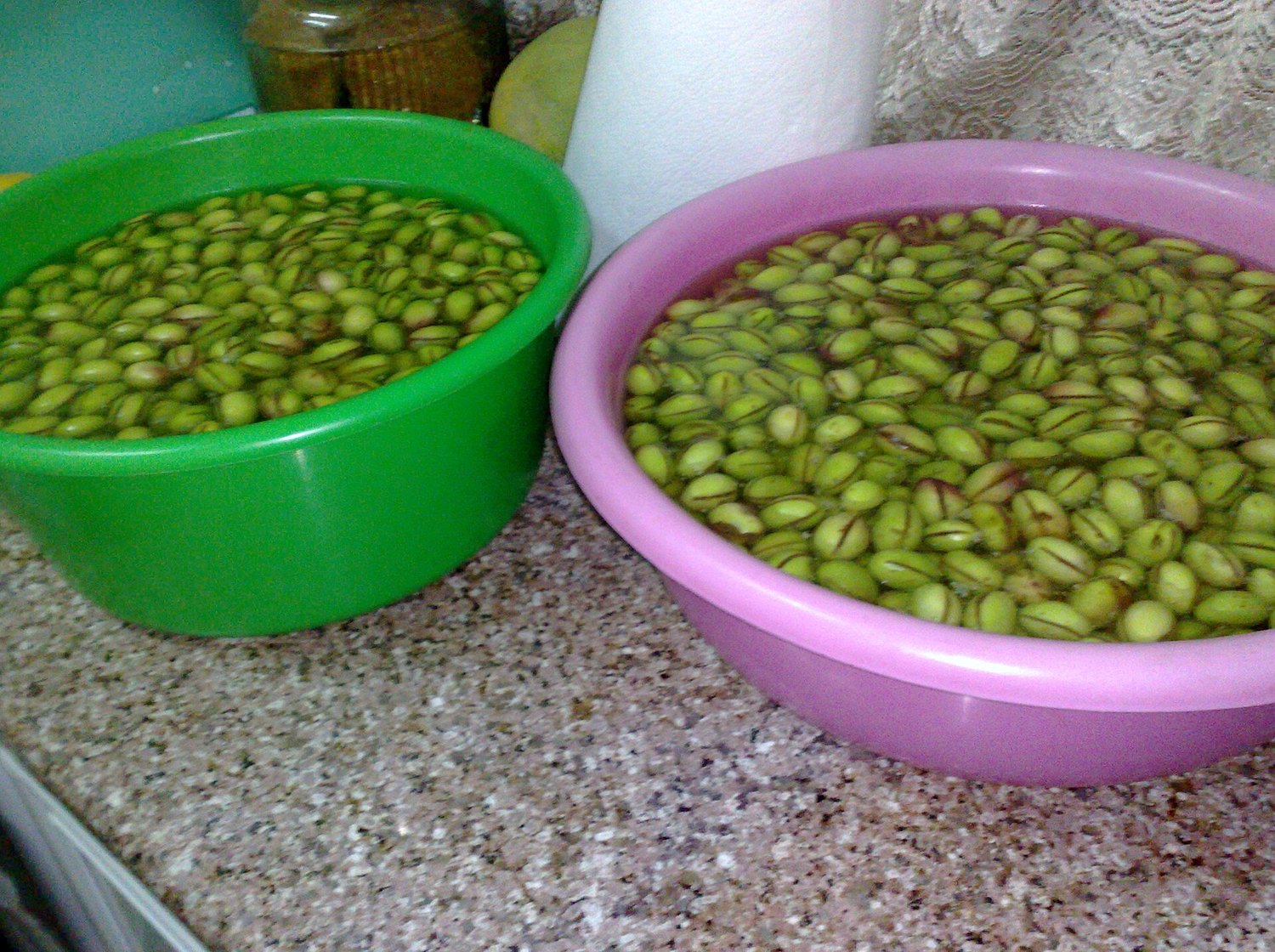
There is a specific experience that turns casual buyers into olive oil obsessives: tasting an oil a few weeks off the mill, poured into a glass rather than onto food. It is vividly green, it smells of cut grass and artichoke, and it bites the back of the throat hard enough to make you cough. Most people have never had it, because most oil reaches them many months and several thousand miles later.
Californian producers understood early that this experience was their entire competitive position. They cannot beat imported oil on price and they cannot beat it on history. They can beat it on the calendar.
Why Californian oil tastes the way it does
Two decisions shape almost every bottle. The first is variety. Hedgerow planting — compact trees in dense rows, harvested by a straddling machine — only works with cultivars that tolerate that architecture, and in practice that means Arbequina above all, with Arbosana and Koroneiki beside it. Those are naturally softer, less bitter, more buttery olives than the Spanish Picual or the Tuscan blends. So the Californian house style is fruity and approachable rather than fierce.
The second is timing. Fruit picked in the morning can be crushing by the afternoon, because the mill sits in the middle of the grove. Time between picking and crushing is the single biggest controllable quality variable there is — fruit begins fermenting and degrading the moment it is off the tree — and this is where the domestic industry wins outright against oil that spent weeks in a tanker.
The study that launched a thousand press releases
Around 2010 a Californian university research centre published findings that a large share of imported extra virgin olive oils sampled from American supermarket shelves failed the sensory standards for that grade. The result was widely reported and it decisively changed the domestic conversation.
The findings were not fabricated, and the underlying problem — old, poorly stored, mislabelled oil on retail shelves — is real and well documented elsewhere. But the study was part-funded by Californian olive oil interests, and the framing that followed was frankly commercial: imported oil is a fraud, buy domestic. A more careful reading is that oil of unknown age and provenance often fails, wherever it comes from, and that a Californian bottle sitting eighteen months in a warehouse is subject to exactly the same physics.
That is the honest version. It is less useful for marketing and considerably more useful for shopping.
| Fresh Californian oil | Mid-shelf imported oil | Top European estate oil | |
|---|---|---|---|
| Typical age at purchase | 3–9 months | Often 12–24 months | 3–12 months if bought well |
| Date on the bottle | Crush date, usually printed | Best-before only, calculated from bottling | Harvest date, usually printed |
| Style | Soft, buttery, green-fruity | Neutral to flat; varies widely | Highly varietal, often assertive |
| Price | High | Low | High to very high |
| What you are paying for | Freshness and traceability | Volume and convenience | Variety, place and craft |
How to buy it well
The practical upshot is simple and it applies on both sides of the argument. Age is the variable that ruins olive oil, and almost nothing else on a shelf tells you about age. A bottle with a crush or harvest date lets you make a real decision. A bottle with only a best-before date is asking you to trust a calculation made from the day it was filled, which may have been long after it was made.
- Buy Californian oil in winter and spring after the September-to-November harvest, when it is genuinely young.
- Insist on a crush date. A domestic producer who declines to print one is discarding their only structural advantage.
- Expect Arbequina character unless a single variety is named — soft, buttery, mildly grassy.
- Do not pay estate prices for a bottle with no date, wherever it is from.
- Be sceptical of any study, including a flattering one, that was funded by the industry it vindicates. Check the funding line, then check the method.
Californian olive oil: common questions
Why is Californian olive oil expensive?
Land, water and labour cost more than in the main producing countries, and domestic volumes are small. The premium buys freshness and traceability rather than a fundamentally different fruit.
Did imported olive oils really fail quality tests?
Samples from American shelves did fail sensory standards in published testing, and shelf-aged mislabelled oil is a documented problem. But the best-known study was part-funded by Californian producers, and the fairer conclusion is that oil of unknown age fails — regardless of origin.
What does a crush date mean?
The date the fruit was milled into oil. It is the most informative date on a bottle, far more useful than a best-before, which is calculated from the bottling date and can be much later than milling.
Why do so many Californian oils taste mild?
Because hedgerow harvesting favours Arbequina, Arbosana and Koroneiki, which are naturally softer and less bitter than robust varieties like Picual or Coratina.
Is fresher always better?
For olive oil, essentially yes. It does not improve with age; it declines from milling onwards. A young ordinary oil will usually outperform an old fine one.
I will give the Californians full credit for one thing that the old producing countries resisted for decades: printing the crush date. It is a small piece of ink that removes almost all the ambiguity from a purchase, and the only reason it is not universal is that most of the supply chain benefits from ambiguity. Bulk oil is held in tanks, blended and bottled to order, and a best-before date calculated from bottling day quietly conceals all of that. If a single labelling change could improve the world’s olive oil overnight, it is this one — and it costs nothing.
Drawn from published Californian olive oil industry material, university research centre reports and their subsequent methodological critiques.