Olive heist mystifies Lovedale
Four groves cleared in a night, seven and a half tonnes gone, not a tyre mark or a sound. Olive theft reads like a mystery story, but there is no mystery in it — only ripe fruit, a good price, and a market that asks stolen olives no questions.
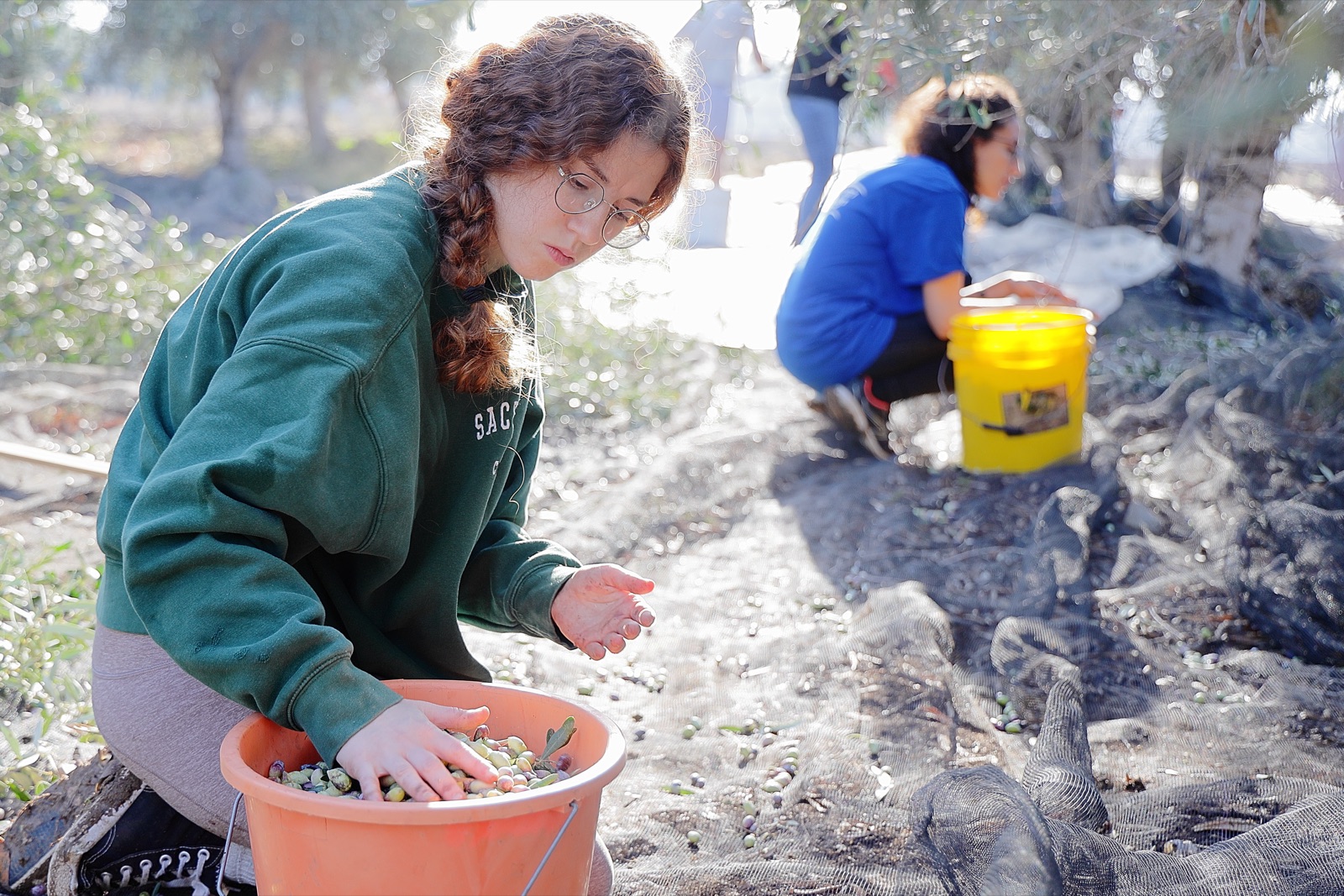
The story turns up somewhere every few years and it always arrives with the same wonder attached: growers walk out at first light and the trees are bare. In one well-documented Australian case, four neighbouring groves — some 750 trees, around seven and a half tonnes of fruit — were cleared in a night, with the fallen olives lifted off the ground too, no machinery heard and no vehicle tracks found. Owners described it as eerie, like a grove that had been vacuumed. It is a good line, and it has kept the story alive for years. But the eeriness is the least interesting part. Once you know how olives are actually picked and sold, nothing about it is mysterious.
How a grove disappears in one night
An organised picking crew is fast. Hand-picking with rakes and nets, a team of twenty to thirty experienced pickers can strip several hundred trees between dusk and dawn without any machine noise at all — which is precisely why the absence of engine sound proves nothing. Nets under the canopy catch the fall, the fruit goes into crates, the crates go into an ordinary van, and the crew is on the road before the neighbours are awake. Clearing the ground fruit is not supernatural either: it is standard practice, because ground olives still have value and because leaving them is the obvious way to advertise that someone came.
The calendar chooses itself. Fruit is worth stealing for a few weeks only, when it is ripe and before the grower gets to it, so theft clusters hard into the harvest window and vanishes the rest of the year.
Why theft tracks the price
Grove theft is not a constant background hum; it is a market signal. When wholesale prices spiked to record levels in recent seasons, thefts across the Mediterranean rose with them — reports from Greece, Spain and Italy described stripped groves, branches cut off with chainsaws so the fruit could be picked at leisure elsewhere, and in the worst cases entire trees dug out and taken. Spanish police ran hundreds of operations in olive areas in a single season, stopping loads of fruit and raiding mills. When prices fell back, the reports thinned.
That relationship is worth stating plainly, because it explains something people find hard to believe: the thieves are not opportunists taking a snack. Fruit at record prices is a cash crop with no serial number, and a full van is a serious sum of money for one night’s work.
The choke point nobody wants to close
Here is the part that matters and rarely gets said. Stolen olives are worthless until they are milled. A crate of fruit cannot be eaten, cannot be stored long, and starts degrading within a day or two — so every theft depends on a mill that will accept an unbooked delivery, pay cash and not ask where it came from. That is the choke point. Where authorities have required mills to record deliveries against a grower’s registration and to refuse undocumented fruit, theft becomes far harder to convert into money.
It is an unpopular fix, because paperwork at the mill door is a nuisance for the honest majority and mills compete for fruit. But the alternative is what growers actually do now: microchipping trees, GPS trackers disguised as olives dropped into crates, night patrols, camera traps, neighbours taking shifts. All of those are the response of people protecting a crop that a market has quietly agreed not to interrogate.
| Type of theft | How it works | What actually deters it |
|---|---|---|
| Overnight fruit stripping | Large hand-picking crew, nets and crates, van before dawn | Mill delivery records, harvest-window patrols, tracker decoys |
| Branch cutting | Chainsaws take fruit-laden limbs to strip elsewhere | Lighting, camera traps, cutting damage is visible and reportable |
| Whole-tree theft | Mature or ornamental trees lifted and resold | Tree tagging and microchips, registration of nursery stock |
| Oil theft | Tanks or drums taken from mills and stores | Tank seals, alarms, reconciliation of mill records |
| Paperwork theft | Legitimate oil sold on with invented provenance | Traceability and lot documentation, third-party audit |
What a grower can do before harvest
- Know your window. Risk is concentrated in the two or three weeks before you pick. Concentrate your effort there rather than year-round.
- Make the grove look watched. Lighting, a camera, a vehicle parked in a different place each night. Crews choose easy sites and move on.
- Talk to your mill. Ask what it records on delivery. A mill that logs every load protects you more than any fence.
- Tag high-value trees. Microchipping is cheap now and makes an old specimen tree much harder to sell on.
- Coordinate with neighbours. Theft crews work several adjoining properties in one night — one phone tree beats five isolated owners.
Olive theft: common questions
How can thieves strip a grove without machinery?
By hand. A crew of twenty to thirty skilled pickers with rakes and nets can clear several hundred trees in a night, which is quiet and leaves no equipment tracks.
Why do they take the fallen fruit as well?
Ground fruit still has value at the mill, and leaving it behind is a visible sign that a grove was picked by someone else. Clearing it is simply thorough.
Is olive theft getting worse?
It rises and falls with price. Record wholesale prices in recent seasons brought a clear wave of reports across the Mediterranean, including branch cutting and whole-tree theft.
What happens to stolen olives?
They have to be milled within days, which means they reach a mill willing to take an unbooked, undocumented delivery. That is the point at which theft becomes money.
Do trackers and microchips actually work?
They help. GPS units shaped like fruit have been used to follow stolen loads, and microchipped trees are much harder to resell — but delivery records at the mill remain the strongest deterrent.
I have never met anyone in the trade who was genuinely puzzled by a stripped grove. The puzzle is always presented at the wrong end — how did they do it so quietly — when the real question is who bought it the following morning. Fruit is a perishable, and perishables leave a trail if anyone bothers to look. Every mill knows which of its neighbours takes cash loads at odd hours, and every grower in the district knows too. Theft survives on a polite regional agreement not to ask. Close the mill door properly and most of this stops being worth anyone’s night.
Drawn from reported olive-theft cases in Australia and the Mediterranean, published accounts of enforcement operations in Spanish and Greek olive regions, and grower countermeasures described in the trade press.