Harvest brings gourmet McEvoy olive oil
On a Marin County ranch north of San Francisco, the olive year ends not with turkey but with olio nuovo: the season’s first, cloudy, green-gold oil, pressed within hours of picking. It is expensive, small-batch and organic — and it explains, better than any label, why fine olive oil is never cheap.
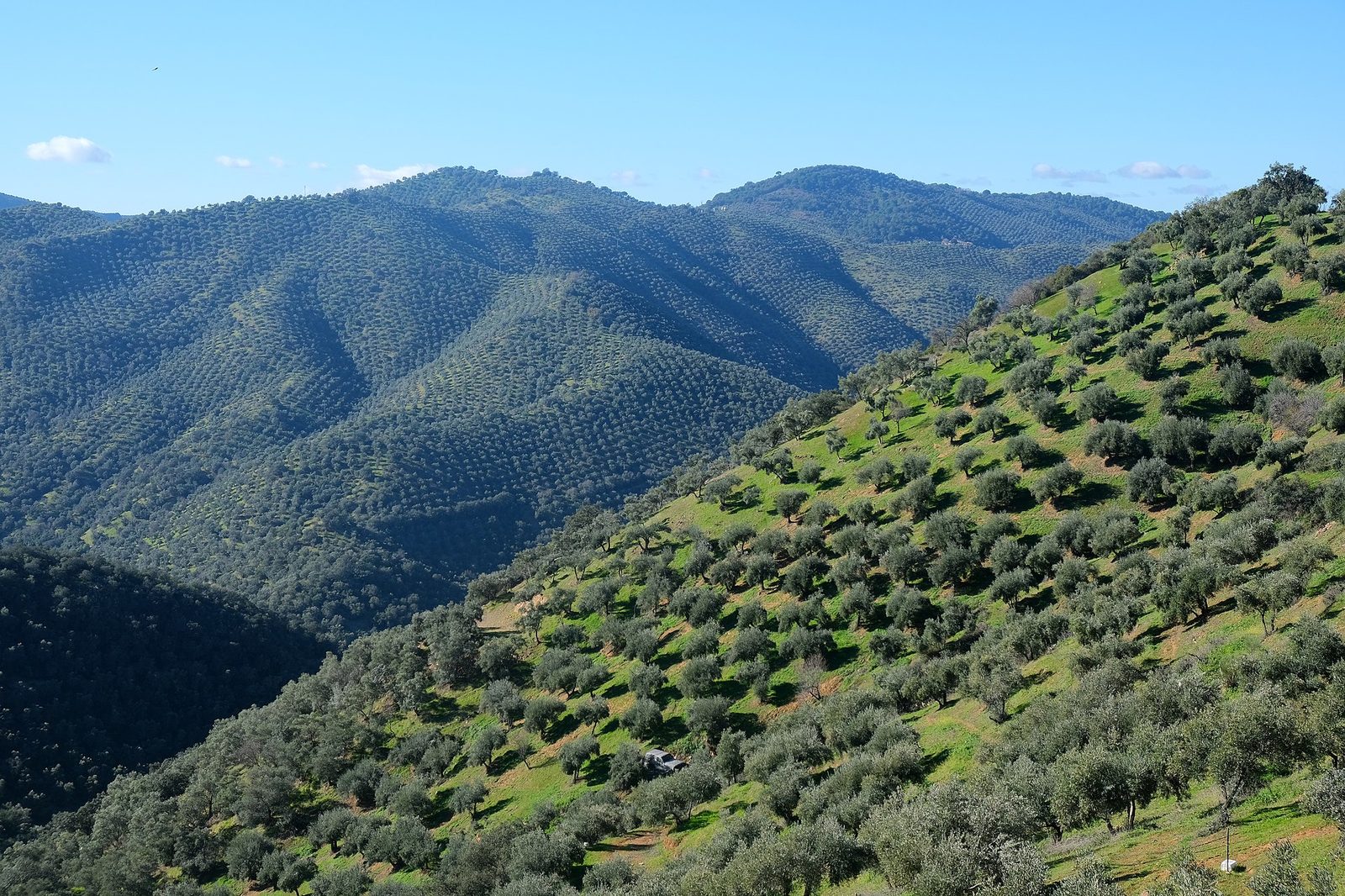
North of the Golden Gate, in the rolling hills of Marin, sits one of the ranches that helped teach America to take its own olive oil seriously. It was planted in the early 1990s with young trees brought from Tuscany, and it grows the classic Tuscan quartet and their cousins — Frantoio, Leccino, Pendolino, Maurino and others — the same cultivars that give the great oils of central Italy their backbone. Everything happens on site: the olives are picked and milled within hours, and the whole place is certified organic. The result is a benchmark for what serious California oil can be.
What olio nuovo actually is
Olio nuovo — literally new oil — is the first oil of the season, bottled straight from the mill without the usual months of settling and filtering. It is cloudy, faintly fizzy on the tongue, aggressively green, and loaded with the peppery, throat-catching polyphenols that fade as an oil ages. It is a seasonal treat with a short life: those same fine particles that make it taste so vividly alive also make it spoil faster, so it is meant to be drunk young, within a few months, not cellared. Catch it fresh and it is one of the great pleasures of the olive year; leave it too long and you have simply wasted the best oil the ranch makes.
Why it costs what it costs
Olives are a low-margin, high-labour crop. The yields are modest, the fruit is fiddly and expensive to harvest, and a small estate that mills its own oil within hours of picking is paying for every one of those choices. Do it properly — organic, hand-tended, milled fresh — and the oil is genuinely costly to produce; a small bottle of estate olio nuovo lands closer to a fine wine than to a supermarket staple. The honest trade-off is real: what you are buying is freshness and traceability, the two things a cheap blend cannot give you. This is the same arithmetic laid bare in the true cost of an olive.
The Californian lesson
For most of its history California grew olives for the can, not the cruet — dark, bland table olives rather than oil. Estates like this one flipped that story, importing serious oil cultivars and proving that cool coastal hills could make oil to rival the Mediterranean. The wider point stands for buyers everywhere: almost any small-estate oil, picked ripe and milled fast, will taste fresher and better than the tired, long-shipped blends on a supermarket shelf. Freshness is the single quality that matters most, and it is exactly the quality that distance and scale destroy.
| Estate olio nuovo | Supermarket blend | |
|---|---|---|
| Freshness | Milled within hours; drunk young | Often months or years old |
| Traceability | Single estate, named cultivars | Multiple countries, unnamed |
| Filtering | Unfiltered, cloudy, alive | Filtered, stable, flatter |
| Price | High — like a fine wine | Low — a commodity |
| Shelf life | Short — weeks to months | Long, but fading in flavour |
Buying & enjoying olio nuovo
- Buy it as fresh as possible, ideally straight after harvest, and check the pressing date.
- Use it raw — over bruschetta, soups, grilled vegetables — where its green pepper can sing.
- Drink it young: it fades fast, so do not save it for a special occasion months away.
- Treat the price as the price of freshness and honesty, not a mark-up.
California olio nuovo: common questions
What is olio nuovo?
The first oil of the season, bottled unfiltered straight from the mill. It is cloudy, vividly green and peppery, and meant to be drunk young.
Why is estate olive oil so expensive?
Olives are a low-yield, labour-heavy crop, and milling fresh on a small organic estate is costly. You are paying for freshness and traceability a cheap blend cannot match.
Does California grow good olive oil?
Yes. Estates using imported Tuscan cultivars, picking ripe and milling fast, make oil that rivals the Mediterranean — usually far fresher than long-shipped supermarket blends.
How long does olio nuovo last?
Not long. The fine particles that make it taste alive also speed its decline, so drink it within a few months rather than storing it.
How should I use it?
Raw and generously — over bread, soups, beans or grilled vegetables — where its fresh green pepperiness shows without being cooked away.
Olio nuovo is the one oil I tell people to buy on impulse and drink fast. It is the year’s freshest, greenest, most peppery pressing, and that vividness is fleeting — the same particles that make it taste alive are the ones that turn it tired within months. Do not cellar it for a birthday. And do not flinch at the price of a good estate bottle: you are paying for fruit picked ripe and milled within hours, the freshness and traceability that no cheap blend can fake.
Drawn from Californian estate practice and general olio nuovo production notes.