From the Archive: Crete Counts Its Ancient Olive Trees (2009)
Some of Crete’s olive trees have been standing since before the Norman Conquest. Yet the gravest threat to a thousand-year-old tree has never been storms or disease — it is a spreadsheet. When old groves stop paying, they get abandoned, and living history is lost to indifference.
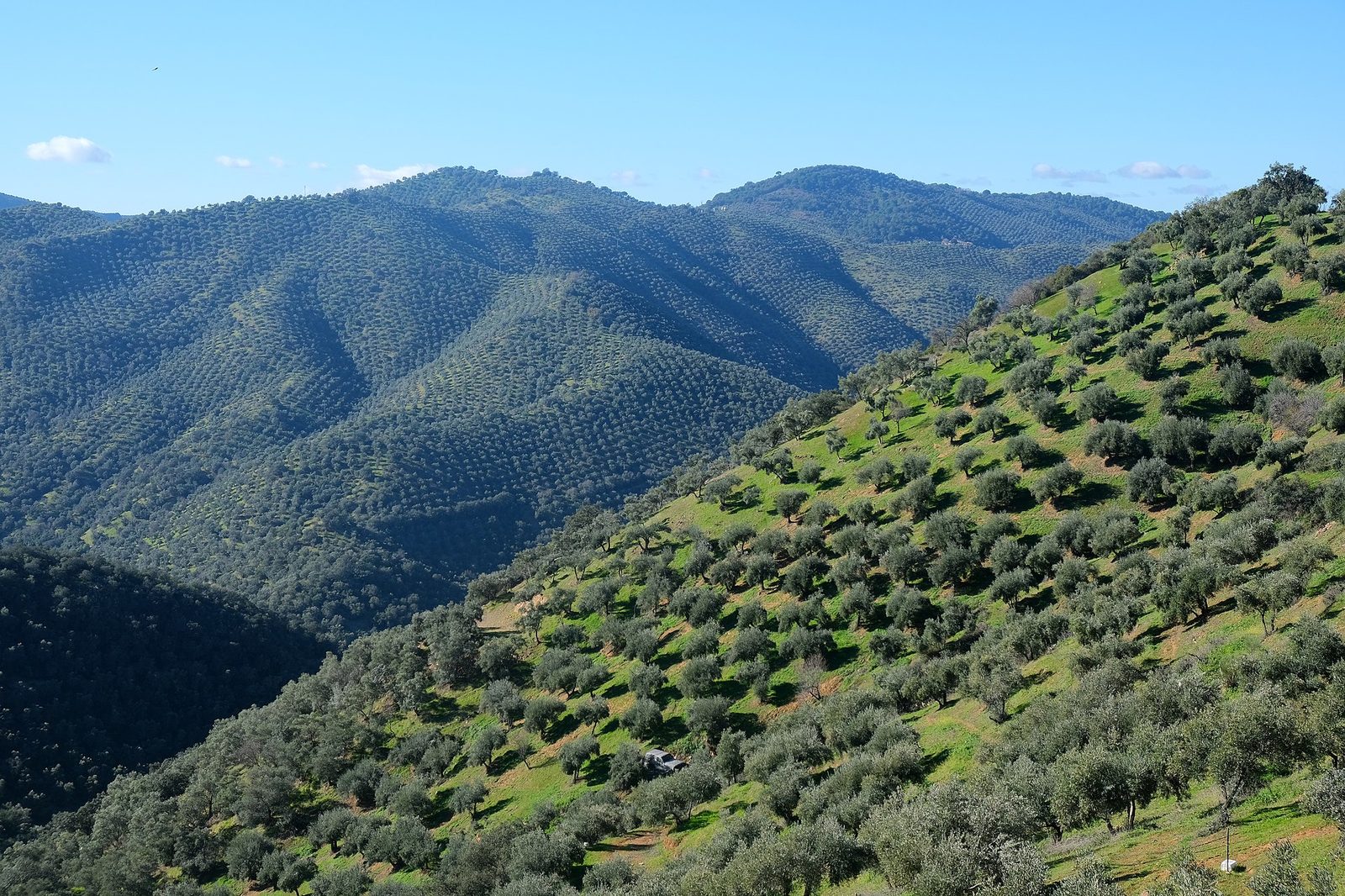
The story that started this was quiet and easy to miss: an agronomy institute announcing a project to catalogue Crete’s ancient olive trees, some reckoned to be more than a thousand years old, to protect them from neglect. Not neglect from war or blight, but from arithmetic. With olive prices low, the old groves had become unprofitable to farm — and unprofitable trees, in the end, get walked away from. It is a small news item with a very large irony folded inside it.
Trees that have outlived empires
To grasp what is at stake, look at Crete’s most famous olive, the monumental tree of Ano Vouves in the west of the island. It is widely held to be among the oldest olive trees on earth, with age estimates running from two thousand to several thousand years, and — this is the wonderful part — it still fruits. It was declared a protected natural monument, and it is not alone: the island carries thousands of ancient, gnarled trees that have quietly outlasted Minoans, Romans, Venetians and Ottomans. You can read more about that lineage in the oldest olive tree in the world.
The census, and the threat behind it
Cataloguing sounds dry, but it is the first act of protection: you cannot save what you have not counted. The threat the census answered was economic, and it was real. In the 1990s a European subsidy scheme actually paid growers to uproot old olive trees and replace them with new high-yielding ones — and ancient trees, thousands of years old, were pulled up and burnt as firewood. That is the mechanism to keep in mind. A tree does not have to be cut in anger to be lost; it only has to stop making economic sense.
Why cheap oil costs an old tree
Here is the irony that should trouble anyone who loves this fruit. We marvel at thousand-year-old olive trees as living wonders — and then the market quietly threatens them, not with an axe but with a ledger. When a litre of oil sells for less than it costs to hand-harvest an ancient, low-yielding tree on a steep Cretan hillside, the rational move is to abandon it. It is the same arithmetic that makes good oil cost what it should. Cheap oil has a price, and sometimes that price is a tree that watched empires come and go.
| Where | Crete, Greece |
|---|---|
| The trees | Ancient olives, some over 1,000 years old |
| Oldest example | The monumental olive of Ano Vouves — still fruiting |
| The 2009 project | A census to catalogue and protect ancient trees |
| The threat | Low prices making old groves unprofitable to farm |
| Past damage | 1990s subsidies that paid growers to uproot old trees |
What you can do about it
- Pay a fair price for honest, traceable oil — abandonment starts with prices that do not cover an honest harvest.
- Seek out oils from old-grove and PDO regions that value their heritage trees.
- Treat a famous name as less important than a real harvest date and clear provenance.
- Remember that a living monument can be lost quietly, without anyone deciding to destroy it.
Crete’s ancient olives: common questions
How old are Crete’s oldest olive trees?
Some are reckoned to be well over a thousand years old. The monumental tree of Ano Vouves is estimated at two thousand to several thousand years, and it still bears fruit.
Why catalogue ancient olive trees?
Because you cannot protect what you have not recorded. A census identifies the oldest trees so they can be safeguarded rather than quietly lost.
What really threatens these trees?
Economics, mostly. When oil prices fall below the cost of hand-harvesting an old, low-yielding tree, the grove becomes unprofitable and gets abandoned.
Were ancient olive trees really destroyed?
Yes. In the 1990s a European subsidy scheme paid growers to uproot old trees for higher-yielding replacements, and some ancient trees were lost.
How does paying fairly for oil help?
A fair price keeps old groves worth farming. Cheap oil pushes the maths the other way, and abandonment is how a thousand-year-old tree is lost.
People assume the enemy of an ancient tree is drama — fire, disease, a chainsaw. It is not. The enemy is a quiet loss on a balance sheet. I have watched good groves go to scrub not because anyone wanted them gone, but because the numbers stopped working, and nobody could justify a week’s hand-harvest for oil selling at bulk prices. That is why the boring stuff — a fair price, a real harvest date, a named region — is not consumer fussiness. It is, in a small and genuine way, how a tree that has stood for a thousand years gets to stand for one more.
Originally reported July 2009, on a Cretan olive-tree cataloguing project; background on Crete’s monumental olives and the Vouves tree. The original write-up is no longer online.