The Olive: A Tree of History
No fruit tree is more woven into human history than the olive. It has fed, lit, anointed and crowned us for as long as we have farmed — and some of its trees were alive before our oldest stories were written down.
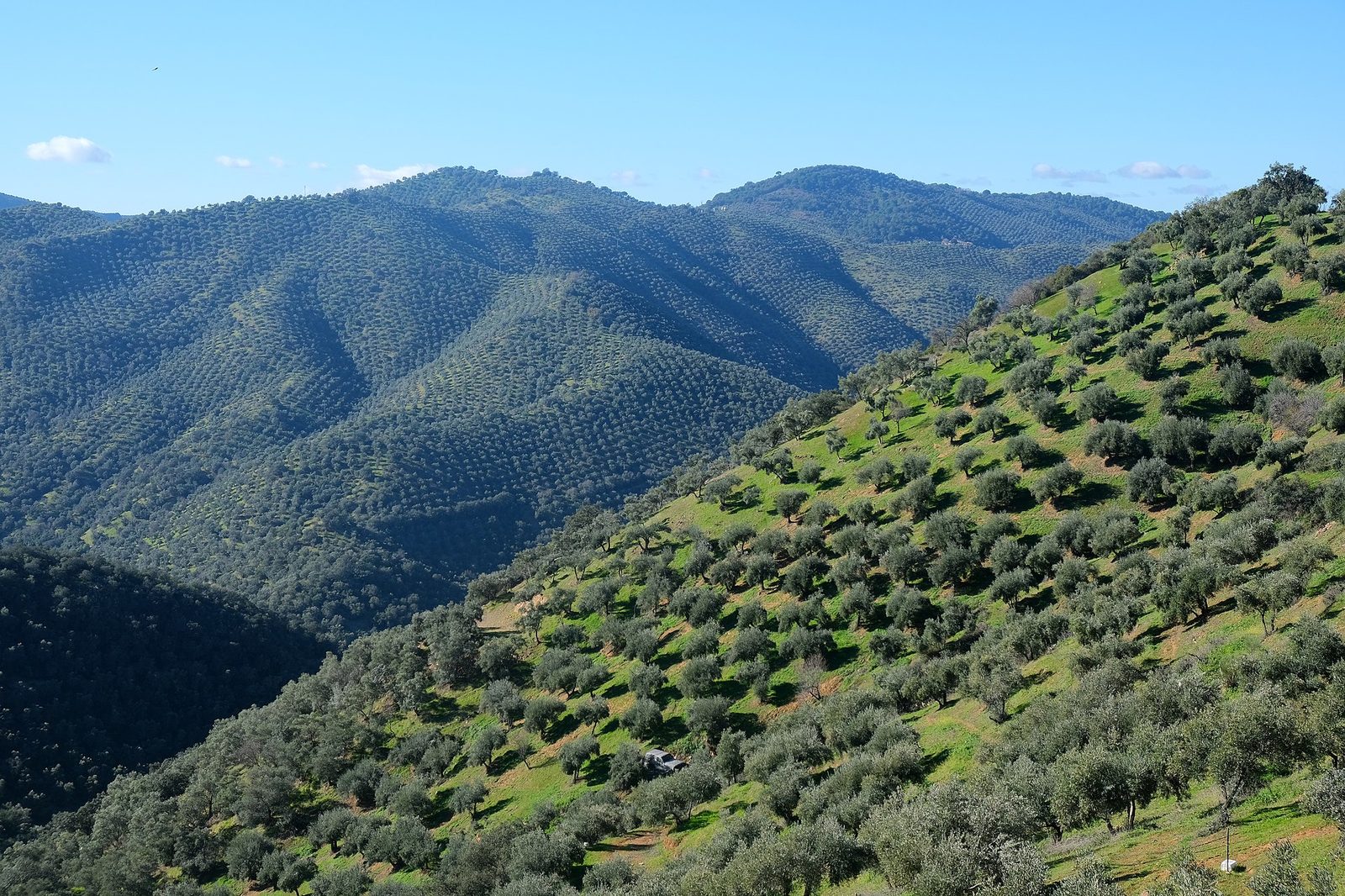
Most foods have a history. The olive has something closer to a biography of civilisation, because for thousands of years we leaned on it for nearly everything — not just food, but light, medicine, ritual and trade. Domesticated in the eastern Mediterranean many thousands of years ago, it spread with Phoenician, Greek and Roman ships until it ringed the whole sea. To understand the olive is to read a compressed history of the people who grew it.
Food, light, and the sacred
Long before it was a salad ingredient, olive oil was fuel — it lit the lamps of the ancient world, hour after hour, in homes and temples. It was medicine and cosmetic, rubbed into skin and hair and worked into ointments. And it was sacred: it anointed kings, priests and athletes, an olive wreath crowned the victors of the ancient Olympic Games, and the olive branch has meant peace since antiquity. Whole economies of the Mediterranean — Athens above all — were built on the trade in oil. Few single crops have ever carried so many jobs at once.
| Neolithic / early antiquity | Wild olive domesticated in the eastern Mediterranean |
|---|---|
| Bronze Age | Oil trade central to Minoan and Mycenaean economies |
| Classical Greece | Sacred to Athena; olive wreath crowns Olympic victors |
| Roman era | Oil shipped empire-wide as food, fuel, cosmetic and currency |
| Middle Ages onward | Monastic and village groves keep the tree and its craft alive |
| Today | An ancient crop spreading to new, hotter lands worldwide |
Trees older than empires
The olive is almost impossibly long-lived. Left alone, it can regenerate from its own base again and again, so some individual trees alive today were already ancient when Rome fell — and a few, credibly, count their age in thousands of years and still fruit. The Olive Tree of Vouves on Crete is the most famous, but Spain’s centuries-old Farga groves and Montenegro’s Stara Maslina tell the same story: a tree that quietly outlives the people, the languages and the nations around it. Standing under one is as close as most of us get to touching deep time.
Why the history is still on the menu
This isn’t only romance. The olive’s endurance — its tolerance of drought, poor soil and heat — is exactly why it fed hard, dry lands when nothing else would, and exactly why it is now spreading to a hotter, drier world far beyond its old Mediterranean home. The same toughness that made it sacred to ancient farmers makes it a sensible crop for a warming century. When you pour a little oil today, you are using the same fruit, pressed in essentially the same way, that lit the lamps of antiquity. Very little else on a modern table can say that.
What to carry from the history
- The olive is one of our oldest crops — cultivated for thousands of years around the Mediterranean.
- It was food, fuel, medicine and ritual at once — not merely a flavouring.
- Some trees are millennia old and still bear fruit — living history you can visit.
- Its ancient toughness suits a hotter future, which is why it keeps spreading.
The olive in history: common questions
How long have olives been cultivated?
For thousands of years — the wild olive was domesticated in the eastern Mediterranean in prehistory, and oil was central to Bronze Age and classical economies.
What was olive oil used for in the ancient world?
Far more than cooking: it fuelled lamps, served as medicine and cosmetic, anointed kings and athletes, and was a major article of trade.
Why is the olive branch a symbol of peace?
The association reaches back to antiquity, when the olive — sacred and life-giving — stood for reconciliation and victory, including the wreath crowning Olympic champions.
How old can an olive tree get?
Remarkably old. The olive can regenerate from its base, so some trees are credibly thousands of years old and still fruit, such as the Olive Tree of Vouves on Crete.
Why is the olive spreading beyond the Mediterranean now?
Its ancient toughness — drought, heat and poor-soil tolerance — makes it well suited to a warming world, so it is being planted far beyond its old home.
People roll their eyes at olive-oil romance, but the history is the practical point, not the decoration. This tree was food, lamp fuel, medicine and sacrament all at once, and it earned that place through sheer toughness — it fed dry, hard country when nothing else would. That same drought-and-heat hardiness is why it’s now marching into new lands as the climate warms. Standing under a thousand-year-old olive that still fruits is the real thing: you’re looking at living history, and pouring essentially the same juice that lit an ancient lamp.
Drawn from the well-documented history of olive cultivation around the Mediterranean and records of ancient olive trees such as the Olive Tree of Vouves.