Quality olive oil worth its weight in taste, nutrients
Antioxidants, enzymes, cold pressing, thirty-five-year-old trees: the health-food account of olive oil collects errors like a magnet. The real story is more interesting, and it changes which bottle you should buy.
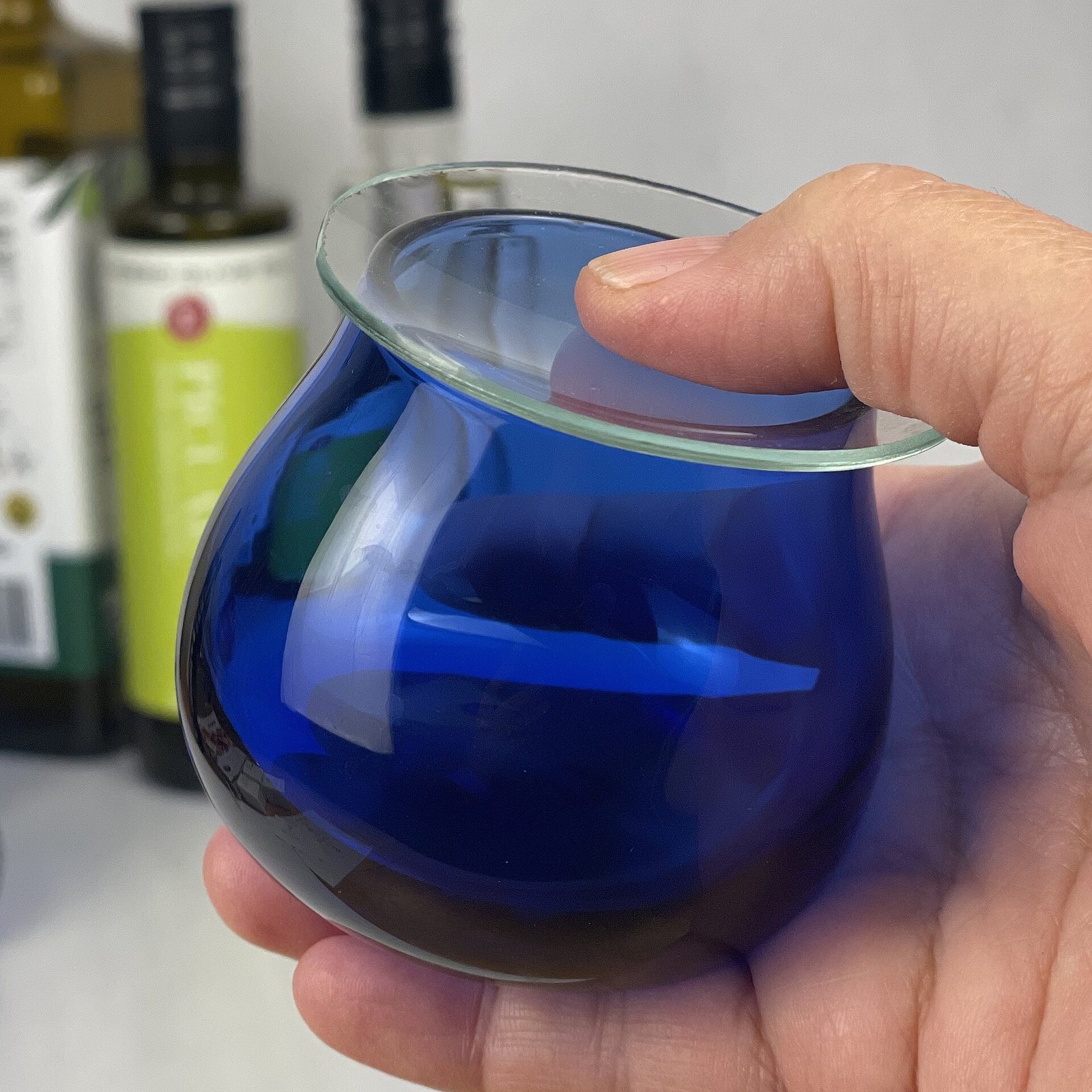
Almost everyone agrees that good olive oil is worth the money. Very few of the reasons given in print survive contact with the evidence. So let us do it carefully — what is genuinely in a bottle of extra virgin, what can honestly be claimed for it, and which pieces of received wisdom should be quietly dropped.
What is actually in the bottle
By weight it is almost entirely fat, dominated by oleic acid — a monounsaturated fat, typically around three-quarters of the total. That profile is stable, resists oxidation reasonably well, and is the part of olive oil that mainstream dietary guidance is comfortable recommending in place of saturated fat.
The remaining one to two per cent is where the interest lies. Vitamin E. Squalene. And a family of phenolic compounds — hydroxytyrosol, tyrosol, oleuropein derivatives and oleocanthal — which are responsible for bitterness and for the peppery catch at the back of the throat. These are antioxidants in a meaningful, measurable sense.
Two honest caveats, which health writing routinely omits. First, phenol content varies enormously — from near zero in a refined oil to several hundred milligrams per kilo in a robust, early-harvest extra virgin. Two bottles both legally labelled extra virgin can differ tenfold. Second, phenols decline steadily with time, heat and light. The nutritional argument for olive oil is really an argument for fresh, well-made, well-stored extra virgin, not for the category as a whole.
| Oleic acid | Roughly 55–83% of the fat, typically about 73% |
|---|---|
| Saturated fat | Around 14% of the total |
| Vitamin E | Around 1.9 mg per tablespoon |
| Squalene | A minor but characteristic component of olive oil |
| Hydroxytyrosol and derivatives | The compounds named in the EU health claim |
| Oleocanthal | Responsible for the peppery throat catch |
| EU claim threshold | At least 5 mg hydroxytyrosol and derivatives per 20 g of oil |
| Stated benefit dose | 20 g of olive oil per day |
| In refined olive oil | Phenols are largely removed by refining |
The one claim Europe actually permits
This is worth knowing precisely, because it is the most rigorous statement anyone can legally make. Under EU rules on permitted health claims, a producer may say that olive oil polyphenols contribute to the protection of blood lipids from oxidative stress — and only if the oil contains at least 5 mg of hydroxytyrosol and its derivatives per 20 g, with the consumer told that the benefit comes from consuming 20 g a day.
Notice what it does and does not say. It is about polyphenols, not olive oil generally. It concerns oxidation of blood lipids, not heart disease outcomes, not cancer, not longevity. And in practice you will rarely see it on a label, because the regulation never fixed a single official analytical method for measuring those compounds, and producers have been wary of making a claim they might have to defend with a contested number.
Everything beyond that sentence — the Mediterranean-diet literature, the trial evidence on cardiovascular risk — is genuine research, but it is research about dietary patterns and populations, not a licence to describe a bottle of oil as medicine. This is general information, not medical advice.
Three things the health columns get wrong
‘Expeller first cold pressed’. This muddles three different things. Extra virgin is by definition obtained from olives by mechanical means only, with no solvents and no refining — so ‘expeller’ adds nothing. Nearly all modern oil is separated by centrifuge, not press, so there is no second pressing for a ‘first’ to distinguish itself from. ‘Cold extracted’ does have a legal meaning — processing below a defined temperature, around 27 °C — and that is the phrase worth looking for.
‘Trees are thirty-five years old before they produce’. Comfortably wrong. A young olive begins fruiting in about three to five years, and reaches full commercial bearing somewhere between seven and twelve. Modern hedgerow plantings crop even sooner. Ancient trees are venerated for their character, resilience and history — not because the species is slow to start.
‘Keep it in the fridge’. Refrigeration clouds and solidifies oil and does nothing useful that a cool dark cupboard does not do better. Worse, it encourages people to buy larger containers on the assumption that the fridge will save them. It will not: what protects oil is darkness, a full sealed bottle, moderate temperature, and being finished promptly.
Buying for taste and nutrients — the same thing
- Buy for bitterness and pepper. They are the sensory signature of the phenolic compounds. A soft, buttery, characterless oil has few of them.
- Insist on a harvest date. Phenols fall with time, so an undated bottle is an unanswered question.
- Choose dark glass or tin, and reject anything on a brightly lit shelf.
- Buy small. Two half-litres bought two months apart beat one litre bought once.
- Use it raw where you can. Heat costs you aroma and phenols before it costs you anything else.
- Ignore ‘light’ olive oil as a health product — it is refined, and refining is precisely what removes the compounds worth having.
This is general information, not medical advice.
Olive oil, taste and nutrients: common questions
What is the only health claim allowed on olive oil in the EU?
That olive oil polyphenols contribute to the protection of blood lipids from oxidative stress. It may be used only where the oil contains at least 5 mg of hydroxytyrosol and its derivatives per 20 g, and the benefit is stated for a daily intake of 20 g.
Does bitter olive oil mean it is better for you?
Bitterness and peppery pungency come from phenolic compounds, so a bitter oil is generally a more phenol-rich one. It is a useful rough guide — but ripeness, variety and freshness all affect it too, and a very bitter oil is not automatically a better-made one.
How old is an olive tree before it fruits?
Roughly three to five years for a first crop, and seven to twelve for full bearing. Modern high-density plantings can crop in three. The idea that trees need decades before producing is simply mistaken.
Does ‘first cold pressed’ mean anything?
Very little. Extra virgin is mechanically extracted by definition, and almost all modern production uses centrifuges rather than presses, so there is no second pressing. The phrase with a legal meaning is ‘cold extracted’, which refers to processing below a defined temperature.
Should olive oil be refrigerated?
No. It clouds and thickens, and a cool dark cupboard away from the stove protects it just as well. What actually preserves an oil is darkness, a sealed bottle, moderate temperature — and finishing it within a couple of months of opening.
The nutrition argument and the flavour argument are the same argument, and almost nobody says so. The bitterness people apologise for, and the pepper that makes them cough, are the phenolic compounds — the only part of olive oil that Europe will let anyone make a health claim about. So when someone asks me for a healthy olive oil, I do not send them to a label or a country. I tell them to buy the one that bites. If it is smooth, mild and inoffensive, either the fruit was very ripe or the oil is old, and in both cases the compounds they were paying for have already gone.
Composition figures from standard food-composition data; the permitted claim and its threshold from EU Regulation 432/2012 on health claims.