Algeria’s Signature Oils
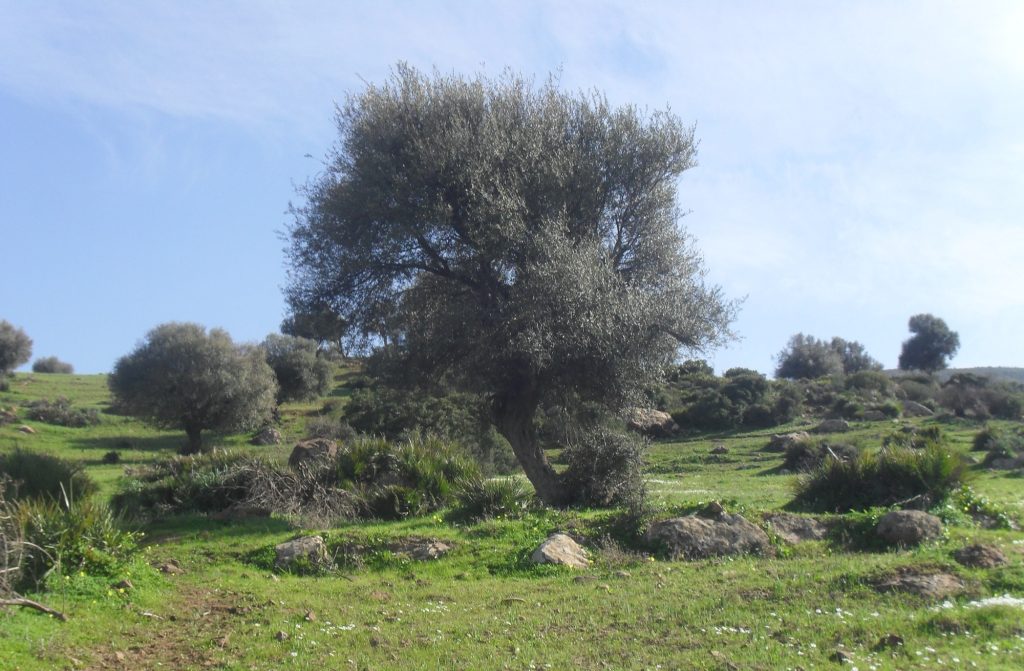
Algeria’s signature oils are not boutique bottles chasing international medals — they are everyday Mediterranean oils, rustic and frank, made mostly for Algerian kitchens. The defining oil comes from the Chemlal olive of the Kabyle mountains, and to understand it you have to understand a country that drinks nearly all its own oil.
Most countries with a “signature oil” have engineered it: chosen a variety, set a harvest window, tuned the mill to win competitions. Algeria did none of that. Its signature is an accident of geography and habit — the oil of whatever the mountains grow, made the way families have always made it. That makes the country a useful corrective to the polished export story. This is what olive oil tastes like when it is food first and a product second.
The Chemlal oils of Kabylie
Chemlal is Algeria’s dominant oil olive, a hardy mountain variety grown above all in Kabylie. Its oil is the country’s benchmark: typically fruity and rustic, with green and faintly bitter notes when fresh, mellowing as it ages. Much of it is still produced by smallholders and village mills, some excellent and some rough, with quality swinging on how carefully the fruit is picked and pressed. At its best, a fresh Kabyle Chemlal is a frank, characterful oil; at its most casual it is simply good daily cooking oil — and Algerians treat it as exactly that.
How the others differ
Chemlal is the face, but it is not the whole cast. The west leans on Sigoise — a plump dual-purpose olive better known as a table fruit, but pressed for oil too where the crop is heavy. Azeradj and Limli fill out village blends. None of these is a precision export cultivar; they are the trees that happened to thrive, and the oils carry that honesty. Compared with a polished Spanish Arbequina or a fierce Tuscan Frantoio, an Algerian oil reads softer and rounder when ripe, greener and a touch wild when early. The point is not refinement — it is character and place.
| Variety | Role | Oil character |
|---|---|---|
| Chemlal | Main oil olive (Kabylie) | Fruity, green-rustic, mellows with age |
| Sigoise | Mainly table; some oil (west) | Plump, mild, soft when pressed |
| Azeradj | Blending olive | Adds body to village blends |
| Limli | Local oil olive | Rustic, traditional, regional |
A home-facing tradition
What shapes Algeria’s oils most is the market: the country consumes the overwhelming majority of what it presses, so the oils are made to local taste rather than export specification. That means less of the polished, early-harvest, low-acidity styling you see from export-driven nations, and more honest, sometimes riper, village-scale oil. Modernisation is slowly raising the ceiling — better mills, more attention to harvest timing — but the heart of Algerian oil remains domestic, traditional and unpretentious.
- Buy on the harvest date, never the romance — freshness is everything with a rustic oil.
- Expect cloudiness from unfiltered village oil; it is not a fault.
- Use it as a daily oil — dressing, finishing, simple cooking — not as a tasting trophy.
- Judge it on its own terms, not against a glossy Tuscan.
Algerian oil: common questions
What does Chemlal oil taste like?
Fresh, it is fruity and rustic with green, lightly bitter notes and a gentle peppery catch. With age it mellows and softens. Think frank and characterful rather than refined or delicate.
Is Algerian olive oil good?
At its best — a carefully made, fresh Kabyle Chemlal — it is genuinely lovely. But quality varies a lot because much of it is made informally, so a harvest date and a known source matter more here than almost anywhere.
How should I use it?
As the everyday cooking-and-dipping oil it is at home: over bread, salads, beans and simple vegetables. Don’t reserve it for special occasions — that is not its job.
Why is it cloudy?
Because village oil is often unfiltered. A little haze or sediment is normal for a rustic, fresh oil and is no sign of a defect — if anything it tells you the oil hasn’t been over-processed.
Can I compare it to Italian or Spanish oil?
You can taste them side by side, but don’t score Algerian oil against an export bottle’s polish. It is made to a different brief — food for the home table — and judged on that brief a good one holds its own.
Algerian oil rarely travels, so judge any bottle you find on its own terms, not against a glossy Tuscan. A fresh Chemlal from a careful Kabyle producer can be lovely — fruity and frank — but quality varies, so look for a harvest date and buy from someone who knows the source. Treat it as the everyday cooking-and-dipping oil it is at home, and don’t expect competition polish. The mistake outsiders make is paying a “rare import” premium for what is, at home, honest kitchen oil. Pay for freshness, not for the airmiles.
Based on Algerian olive-sector reports; oils vary widely by producer.