A Grower’s Map of Algeria
Algeria is one of the Mediterranean’s big olive nations — yet almost none of its oil reaches a Northern shelf. Read the map and you see why: the crop is grown, pressed and eaten in the same steep Kabyle valleys.
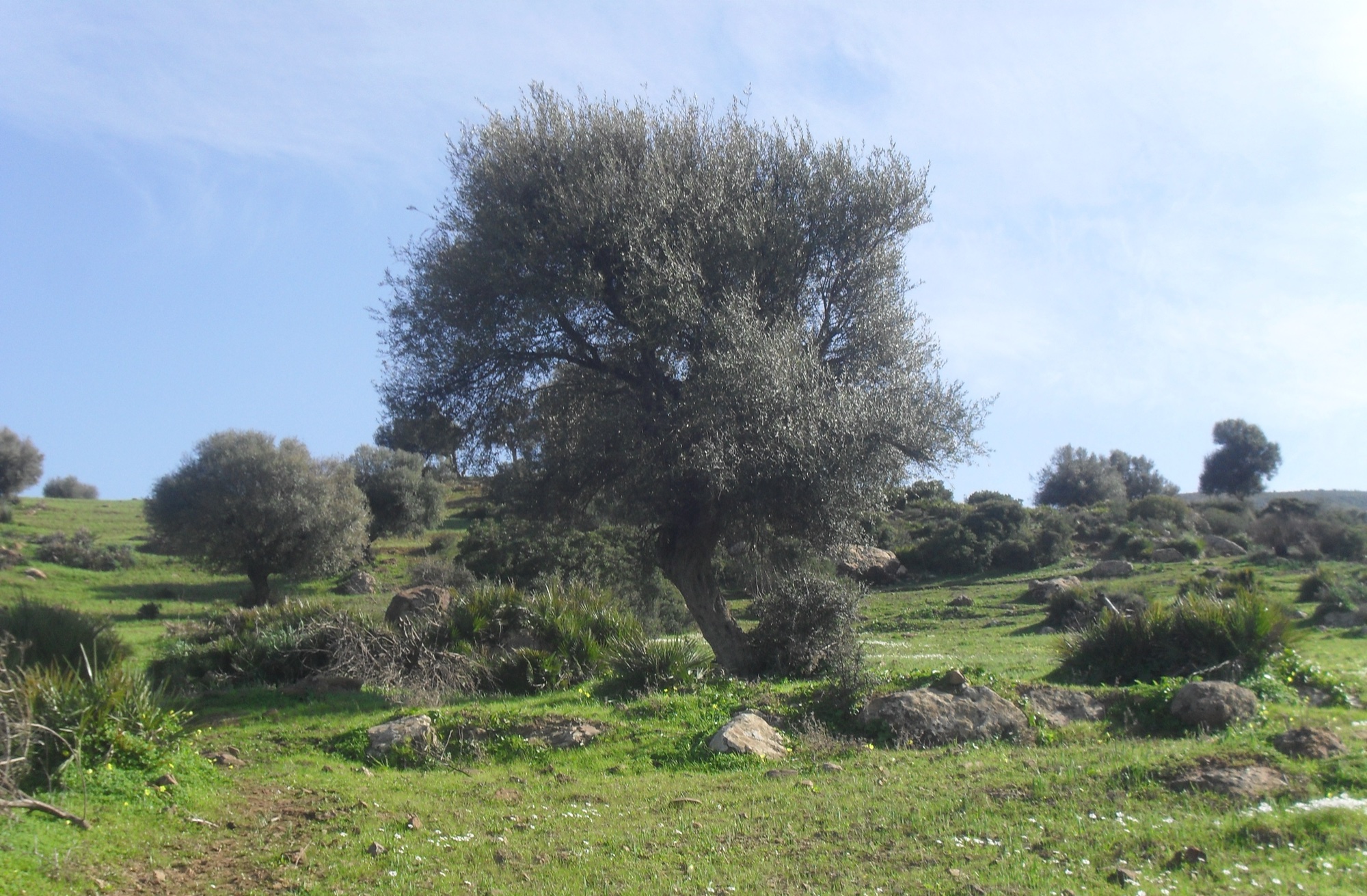
Algeria grows a great deal of olives and exports almost none of them — a fact that tells you nearly everything about the country’s olive map. The trees are concentrated in the northern hills, and above all in Kabylia, the rugged Berber mountain region east of Algiers, where the crop is grown, pressed and eaten in the same valleys. What follows is a grower’s sketch of where the fruit actually is, and why you so rarely see it abroad.
Kabylia, the heartland
The historic core of Algerian olives is Kabylia — the mountain wilayas of Tizi Ouzou, Béjaïa and Bouira above all, with Jijel close behind. Between them these few provinces hold a very large share of the national olive area and produce more than half the country’s oil. The groves are old and terraced, clinging to steep ground where the soil is thin and the winters are cold, and the dominant tree is the Chemlal — a hardy, vigorous local variety grown mainly for oil. Olive culture is woven into Kabyle identity itself: the harvest sets the rhythm of the rural year, and the oil is daily food, not a luxury bought by the small bottle.
The plains and the west
Beyond the mountains, olives spread across the northern Tell and the high plains and run westward toward Sig and Mascara, the home of the Sigoise — Algeria’s best-known table olive, a plump green fruit cured for eating rather than pressing. Growing here ranges from tiny smallholder plots to newer, more organised plantations, and the state has pushed hard in recent years to widen the acreage and modernise the mills. Yields swing violently with the weather — a good year and a near-failure can sit only a season or two apart — which is one more reason the export trade never quite settles.
The map the brands don’t show
Here is the part worth holding onto. The countries that fill the supermarket shelf — Spain, Italy, Greece — are not the whole olive world, or even most of it. Algeria presses and eats enormous quantities of oil that a Northern shopper will never see, because the crop is consumed close to where it grows. The absence of an Algerian bottle on your shelf says nothing about the scale or the quality of what grows in Kabylia. What you find in a shop is a marketing map, not a growing one.
| Heartland | Kabylia — Tizi Ouzou, Béjaïa, Bouira, Jijel |
|---|---|
| Oil variety | Chemlal (hardy, mountain, oil-first) |
| Table variety | Sigoise (western plains, Sig/Mascara) |
| Terrain | Steep terraces in the north; the Sahara is empty of olives |
| Harvest | November–January |
| Market | Overwhelmingly domestic; a small, growing export share |
| Buying tip | Seek true Kabyle Chemlal oil or Sigoise table olives from a trusted diaspora grocer |
Reading an Algerian olive
- For oil, the name to know is Chemlal — expect something rustic, fruity and frank rather than polished.
- For table olives, look for the Sigoise from the western plains.
- True Algerian oil is genuinely hard to find abroad — buy from a trusted diaspora grocer and check for a harvest date.
- Treat it as the everyday Mediterranean oil it is at home, not a rare collectible.
- Remember that a weak export presence reflects habit and logistics, not poor quality.
Algerian olives: common questions
Where do Algeria’s olives grow?
Overwhelmingly in the northern hills, and above all in Kabylia — the mountain provinces of Tizi Ouzou, Béjaïa, Bouira and Jijel east of Algiers — with more spread across the western plains around Sig and Mascara.
What is the main Algerian olive variety?
Chemlal, a hardy mountain variety grown mainly for oil, dominates the Kabyle groves. The Sigoise of the west is the country’s best-known table olive.
Why is Algerian olive oil so rarely seen abroad?
Most of the crop is eaten and pressed at home, as in much of North Africa. Only a modest, growing share is exported, so it seldom reaches Northern shelves.
Is Algeria a serious olive producer?
Yes — it is one of the larger producers of the southern Mediterranean, with a very large olive area concentrated in a handful of Kabyle provinces.
How do I buy real Algerian olive oil?
Look for a genuine Kabyle Chemlal oil, ideally with a harvest date, from a trusted diaspora grocer. Expect a rustic, fruity, honest oil rather than a polished commercial blend.
Algerian oil is genuinely hard to find outside the country and its diaspora, so if you come across a true Kabyle Chemlal, try it — expect something rustic, fruity and frank rather than polished. For table olives, the Sigoise is the name to know. The bigger lesson is that Algeria proves the olive’s real map is far wider than the export brands admit: a whole serious olive nation that a Northern shopper simply never meets.
Based on Algerian olive-sector reports and Kabylia grove accounts, cross-checked against recent production coverage.