I am in awe of olives
Olives are the rare pantry item that works as a snack, an ingredient and a garnish without changing costume. But most people buy the same olive three times over. Here is how to build a pantry that actually covers the ground.
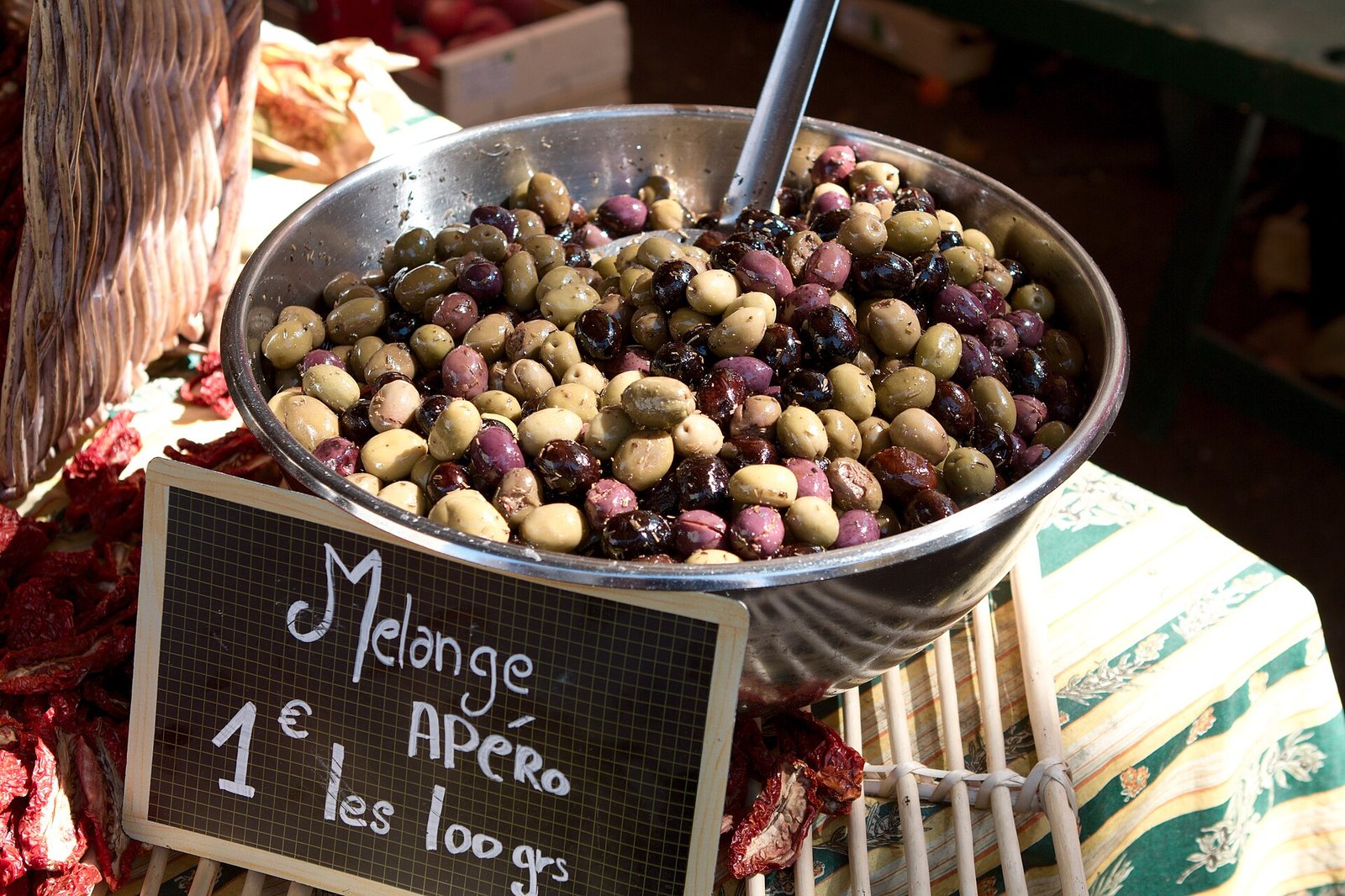
People collect olives the way they collect mustards — enthusiastically, and without a system. Ten jars accumulate, three get finished, and the rest go quietly soft at the back of a shelf. The fix is not restraint. It is realising that most olives on a supermarket shelf are doing one of only three jobs, and that once you own one good example of each, further jars are pleasure rather than provision.
Humans were eating wild olives long before anyone planted one. Archaeological evidence puts gathered olives in the Neolithic diet, with cultivation generally traced to the eastern Mediterranean around five thousand years ago. Everything since — the curing, the stuffing, the jarring — has been a long argument about how to make a fruit that is inedible on the branch into one you cannot stop eating.
The three olives you actually need
A firm green olive with a crack in it. This is the aperitif olive: brine-cured, fresh-tasting, slightly bitter, with enough structure to survive being eaten with cold wine. Spanish and Greek green olives dominate here. Buy it with the pit in.
A rich dark olive. Tree-ripened, naturally brine- or salt-cured, soft, fruity and a bit winey. This is the one for salads, for slow-cooked dishes, and for anything that wants depth rather than crunch. Kalamata is the famous example, but far from the only good one.
A cooking olive. Unglamorous, cheap, and pitted, because you are going to chop it. Its job is to season a braise, a tapenade, a tomato sauce, a flatbread. Do not use your best olive here — heat and long cooking flatten the nuances you paid for.
That is the whole system. A fourth jar of something dry-cured and wrinkled is a genuine pleasure, and a fifth of something stuffed is a party. But three cover the cooking.
| Style | Typical examples | Texture & taste | Best for | Watch out for |
|---|---|---|---|---|
| Green, brine-cured | Manzanilla, Halkidiki, Nocellara | Firm, crisp, fresh, gently bitter | Aperitif, martinis, stuffing | Mushy fruit means an old or warm jar |
| Naturally black, brine-cured | Kalamata, Gaeta, Beldi-style | Soft, fruity, winey, rich | Salads, braises, cheese boards | Uniform matte black means dyed, not ripe |
| Dry salt-cured | Nyons-style, Moroccan oil-cured | Wrinkled, chewy, intense, salty | Nibbling, lamb, breads | Very salty — taste before you season |
| Cracked or split | Cypriot, Lebanese, green Greek styles | Crunchy, herb-forward, marinated | Meze, quick marinades | Shortest shelf life of any style |
| Stuffed | Pimiento, almond, anchovy | Varies — the filling leads | Aperitif, tapas | Read the filling ingredients, closely |
| Pitted, for cooking | Anything cheap and honest | Softer, saltier, simpler | Tapenade, sauces, doughs | Never worth buying at premium prices |
The pantry is doing things to them
An olive is a preserved product but not an immortal one. In brine it keeps well and stays plump. Once opened, the brine still does the work — but only if the olives stay under it. The single most common domestic mistake is a half-empty jar with olives sitting proud of the liquid, going brown and slack at the top. Top it up with a little water and salt if you must, keep it cold, and it will keep for weeks.
Vacuum-packed olives keep well unopened and deteriorate fast once air is in. Tinned olives are cooked in the can, which is why they are so consistently soft. And the loose olives in a deli tub — the ones sold as fresher and better — have usually had the most air, light and handling of any olive in the shop.
The olive bar, honestly
This is the part of the shop that flatters the shopper most and deserves it least. Those glossy trays under the counter, with their tongs and their little paper tubs, are almost always the same industrial product that sits in the jars two aisles away. They arrive at the shop in buckets of five, ten or twenty kilos, made by the same handful of large processors, and they are decanted into the display and dressed with a spoonful of oil, some herbs and a lemon slice.
None of which makes them bad. The marination is real, the choice is genuinely wider, and it is the only place where you can buy fifty grams of six things. But you are paying a considerable premium for presentation, and you are buying an olive that has been sitting open and warm under a light. If the tray looks pristine at closing time on a slow Tuesday, it has not been turning over. Buy from the busy trays.
Buying and keeping them well
- Buy with the pit in for the table. Pitting damages the flesh, and pitted olives absorb brine faster and go soft sooner.
- Keep them under the brine, in the fridge, once opened. Olives exposed to air brown and soften within days.
- Distrust perfect uniformity. Natural ripening is uneven — identical, matte-black olives have almost certainly been oxidised and colour-fixed.
- Taste before you salt. Dry-cured olives can carry more salt than the rest of the dish combined.
- Rinse only when a recipe needs it. Rinsing removes salt but also removes flavour — do it for baking, not for a salad.
- Use the good ones raw. Long cooking takes a fine olive and makes it taste like any other.
Building an olive pantry: common questions
How many kinds of olive do I actually need?
Three. One firm green for the aperitif, one rich naturally black for salads and cheese, one cheap pitted one for cooking. Everything beyond that is pleasure rather than necessity.
Are olives in jars better than tinned ones?
Usually, yes, for texture. Tinned olives are heat-processed in the can, which softens them. Jarred olives in brine keep their structure better, and glass lets you see what you are buying — though it also lets light in, so avoid brightly lit shelves.
How long do olives last once opened?
Several weeks in the fridge if they stay submerged in their brine. Once olives sit above the liquid they brown and soften within days. Top up with lightly salted water rather than plain water if the level drops.
Should I buy pitted olives?
For cooking, yes — you are going to chop them anyway. For eating, no. The pit protects the flesh and slows brine absorption, so an unpitted olive has better texture and a cleaner flavour.
Is the deli olive bar better than jars?
Wider choice, yes. Better product, usually not — most bar olives are the same bulk product decanted from large buckets, and they have been exposed to air, light and handling. Buy from trays that are visibly turning over.
I spent years watching the same twenty-kilo buckets go out of a warehouse and come back to me as photographs of beautiful artisanal olive counters. It is not a scandal — the olives are perfectly good, and someone still had to marinate, arrange and sell them. But it does mean the romance is in the display, not in the fruit, and you are entitled to know that before you pay three times the jar price. If you like the bar, use it for what it is genuinely good at : buying small amounts of many things, and tasting before you commit. Then buy the one you loved by the jar.
Curing styles and storage practice from standard trade descriptions; the domestication timeline from published archaeobotanical work on the eastern Mediterranean.