The Role of Chlorophyll and Carotenoids
Why is one olive oil deep green and another pale gold? The answer lies in two families of natural pigments, chlorophyll and carotenoids, carried over from the fruit into the oil. They explain the colour, hint at the harvest, and quietly affect how the oil behaves on the shelf.
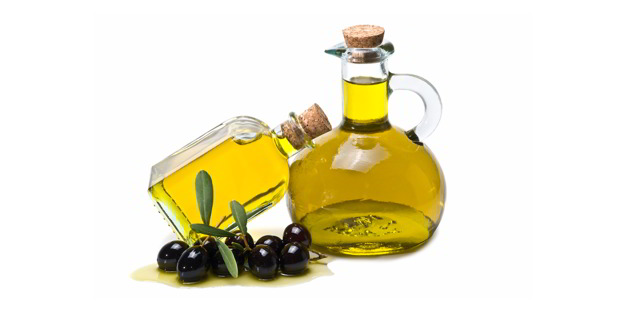
Chlorophyll is the green pigment of leaves and unripe fruit; carotenoids are the yellow-to-orange pigments that also colour carrots and egg yolks. Both pass from olive to oil during milling. An oil pressed from greener, earlier-harvest fruit carries more chlorophyll and looks distinctly green; one from riper, later fruit leans on carotenoids and looks more golden. So colour is partly a clue to ripeness at harvest — though not, importantly, a reliable guide to quality, which is exactly why professional tasting glasses are tinted blue to hide the colour entirely and let taste decide.
Where the colour comes from
The two pigment families sit on different chemical backbones and behave differently once in the oil. Chlorophylls give the green, grassy look of a young oil; carotenoids — beta-carotene and lutein among them — add the golden-to-orange tones and lean toward the ripe end of the season. Because their ratio shifts with ripeness, the shade of an oil roughly tracks when the fruit was picked. But shade also depends on variety and milling, so it is a hint, never a certificate.
| Chlorophylls | Green pigment; dominant in early, green-fruit oil |
|---|---|
| Carotenoids | Yellow–orange (beta-carotene, lutein); riper fruit |
| Colour clue | Green → earlier harvest; gold → riper |
| Carotenoid role | Act as antioxidants; help keeping quality |
| Chlorophyll role | Mild antioxidant in the dark; pro-oxidant in light |
| Why blue glasses | To hide colour so tasters judge by taste alone |
Why the pigments matter
These pigments do more than colour the oil. Carotenoids act as antioxidants, helping protect the oil and contributing, alongside the biophenols, to its keeping quality. Chlorophyll plays a double game: in the dark it can act as a mild antioxidant, but in the light it does the opposite, absorbing light energy and speeding oxidation so a bright-lit bottle goes rancid faster. That is one more reason good oil is sold in dark glass or tin and kept out of the light. The pigments, in other words, are part of why storage matters so much — a theme that runs through how we judge a good oil. It is a neat reminder that the very compounds that make an oil beautiful to look at can also, in the wrong light, help to undo it.
What to do with this
- Do not read quality from colour — green is not automatically better than gold.
- Colour mainly signals ripeness and variety, not grade.
- Because chlorophyll turns pro-oxidant in light, keep every oil dark.
- Judge by smell, taste and harvest date, the way trained tasters do behind blue glass.
Olive oil pigments: common questions
Why is some olive oil green and some gold?
Green comes from chlorophyll, richest in early, green-fruit oil; gold comes from carotenoids, which dominate in riper, later fruit.
Does green oil mean better oil?
No. Colour signals ripeness and variety, not quality. Skilled tasters use blue glasses to ignore colour altogether.
Do the pigments do anything useful?
Carotenoids act as antioxidants and help keeping quality. Chlorophyll is a mild antioxidant in the dark but speeds oxidation in the light.
Why are tasting glasses blue?
To hide the oil’s colour so tasters are not biased and judge purely by aroma and flavour.
Does colour tell me when to use an oil?
Only loosely. A greener oil is often earlier-harvest and more robust; a golden one often riper and milder — but taste is the real guide.
Resist reading quality from colour : a green oil is not automatically better than a golden one, and skilled tasters deliberately ignore colour behind blue glass. Colour mainly tells you about ripeness at harvest and variety. What matters more is freshness, smell and taste — and keeping any oil, green or gold, out of the light, because chlorophyll that behaves as an antioxidant in the dark turns traitor in a sunlit bottle and speeds the oil to rancid.
Drawn from olive-oil chemistry on chlorophyll and carotenoid pigments and light-driven oxidation.