In Focus: The Koroneiki Olive
It is one of the smallest olives in the orchard and one of the most important in the world. Koroneiki is the variety behind most Greek extra virgin, above all the celebrated oils of the Peloponnese and Crete. Tiny fruit, big oil — here is why it matters so much.
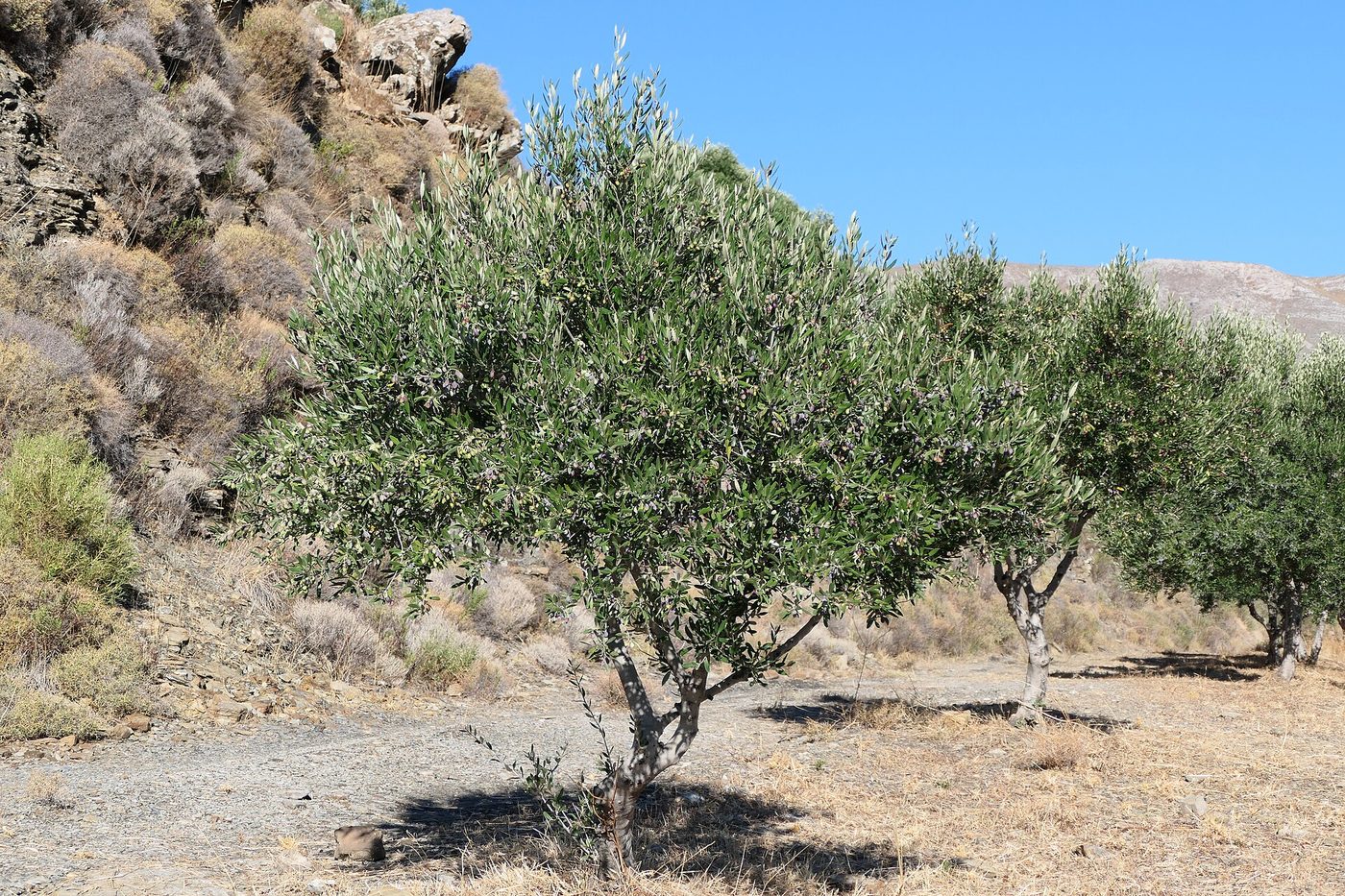
Koroneiki is an oil olive, and the fruit is famously small — you would not bother eating it. What it lacks in size it more than repays in yield and quality: it presses into a green, aromatic oil that is high in polyphenols and remarkably stable. It originates in the southern Peloponnese, around Messenia and Kalamata, and now dominates Greek planting, showing up in superb single-variety oils from the Peloponnese, Lakonia and Crete. The tree is hardy and productive, part of why Greece — a comparatively small country — ranks among the world’s top oil producers.
Origin & character
A good Koroneiki is bright and lively: fresh-cut grass, green herbs, a hint of fruit and a peppery, slightly bitter finish that signals freshness and a healthy polyphenol load. It is an excellent all-rounder — assertive enough to finish a dish, balanced enough not to overwhelm. This is the taste most people mean when they picture ‘Greek olive oil’. For the wider family, see Greek olives.
In the bottle
Drizzle it over Greek salad, grilled vegetables or feta, or simply over bread. Because the oil is so stable, a well-stored Koroneiki holds its character well — but freshness still wins. Look for the latest harvest date and a dark bottle, and that peppery kick at the back of the throat will tell you the polyphenols are still alive. It is a genuinely versatile everyday oil that also rewards a good single-variety splurge.
The bulk-trade trap
Here is the part Greece would rather you did not dwell on. A great deal of excellent Koroneiki leaves the country in bulk and is bottled elsewhere — often in Italy — under flags that never mention Greece. The oil is real and often superb; you simply pay a premium for someone else’s label and lose the traceability that is half the pleasure. If you can find a clearly labelled Greek single-variety, you are cutting out the middleman and tasting the real thing. See how ‘bottled in Italy’ works.
| Origin | Southern Peloponnese, Greece |
|---|---|
| Type | Oil olive |
| Notable trait | High polyphenols, very stable |
| Harvest | November–December |
| Flavour | Green, grassy, peppery; slightly bitter |
| Best use | Finishing — salad, feta, grilled vegetables, bread |
Buying & using Koroneiki
- Look for a clearly labelled Greek single-variety to avoid the bulk-trade markup.
- Favour a recent harvest and a dark bottle — freshness still beats stability.
- Treat the peppery finish as a good sign: it means the polyphenols are alive.
- Use it raw over salad, feta, grilled vegetables or bread.
Koroneiki olives: common questions
Is Koroneiki an oil or a table olive?
An oil olive. The fruit is too small to eat — it is grown entirely for pressing into a green, aromatic extra virgin.
Where does Koroneiki come from?
The southern Peloponnese in Greece, around Messenia and Kalamata. It now dominates Greek planting and much of Crete.
What does Koroneiki oil taste like?
Bright and green — fresh grass and herbs with a peppery, slightly bitter finish that signals freshness and a healthy polyphenol load.
Why is Koroneiki so widely grown?
The tree is hardy and productive and the oil is high in polyphenols and very stable, so it keeps and travels well — ideal for both quality bottles and bulk export.
How do I buy the real thing?
Look for a clearly labelled Greek single-variety with a recent harvest date, rather than a generic blend that may have been bottled far from Greece.
A lot of excellent Koroneiki is sold in bulk and bottled elsewhere under other flags — if you can find a clearly labelled Greek single-variety, you are cutting out the middleman and tasting the real thing. Favour a recent harvest, a dark bottle, and that peppery finish at the back of the throat that tells you the polyphenols are still alive. The oil is stable enough to travel, which is exactly why so much of it leaves Greece uncredited; buying it named is how you taste the country plainly.
Drawn from Greek milling tradition and Peloponnese variety records.