China Protects Two Spanish Olive Oil Names in EU Pilot Deal
Two Spanish olive oils, Sierra Mágina and Priego de Córdoba, are now protected names in China, among the ten European foods covered by a five-year pilot deal that Brussels declared complete on November 30. In return, ten Chinese foods are protected in the EU. Here is what the “10 plus 10” project did, why olive oil made the list, and what a protected name can and cannot do in a market full of copies.
What happened
The European Commission announced that the “10 plus 10” project on geographical indications, or GIs, was finished. The pilot began in July 2007, when the Commission and China’s quality and inspection authority, AQSIQ, each filed applications to protect ten farm and food names in the other’s territory. Each Chinese name went through an EU examination, including a period when anyone could object, and the EU names went through the Chinese system. The Commission said differences in procedure and language problems had to be overcome along the way. The last European names to clear were Grana Padano, Prosciutto di Parma and Stilton, and the last Chinese ones a peach and an asparagus.
| EU names now protected in China | Country | Product |
|---|---|---|
| Priego de Córdoba | Spain | Olive oil |
| Sierra Mágina | Spain | Olive oil |
| Grana Padano; Prosciutto di Parma | Italy | Cheese; ham |
| Comté; Roquefort; Pruneaux d’Agen | France | Cheese; cheese; prunes |
| Scottish Farmed Salmon; West Country Farmhouse Cheddar; White and Blue Stilton | United Kingdom | Salmon; cheese; cheese |
Agriculture Commissioner Dacian Cioloş called China “a key future export market for EU food products” and said Brussels now hopes to negotiate a broader agreement on GIs with China in the course of 2013. The Commission counts China among the five most important export markets for EU GI products, with GI exports there worth more than €650 million in 2010, most of it wine and spirits.
Why two olive oils
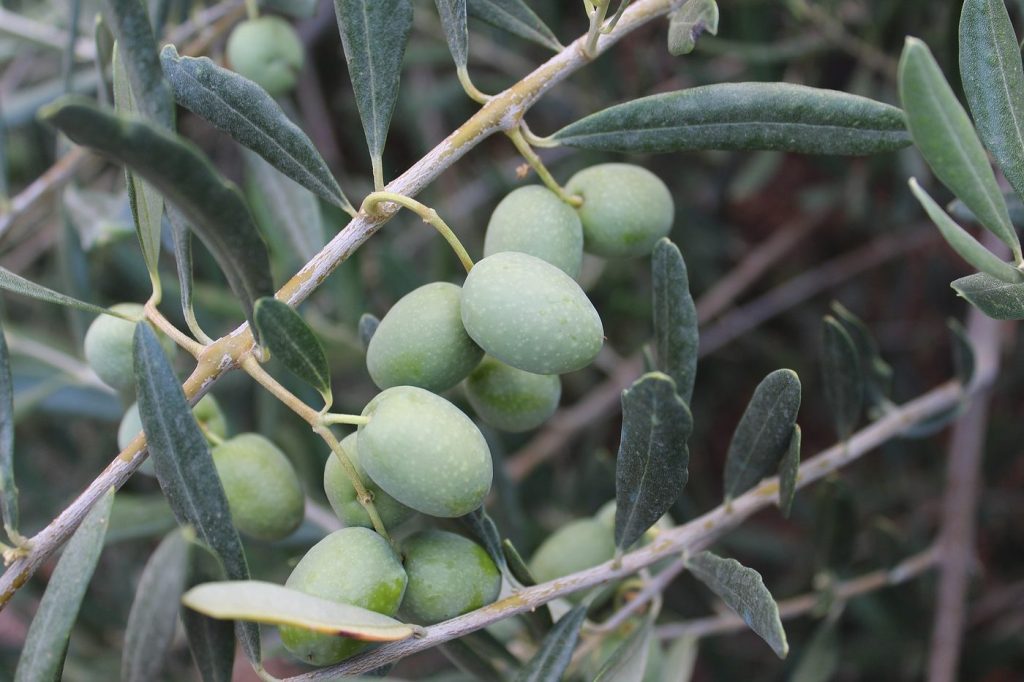
Both names are Andalusian denominations of origin. Sierra Mágina covers groves around the mountains of the same name in the south of Jaén province, mostly Picual. Priego de Córdoba covers the town and its surrounding villages in the south of Córdoba province, with Picudo, Picual and Hojiblanca among the varieties. Olive Oil Times reports that both have held protected status in Europe since 1999 and that both already sell extra virgin oil in China.
China is a market Spain watches closely. International Olive Council figures reported last month put Chinese imports of olive oil and olive pomace oil at close to 46,000 tons for the latest full season, up 38 percent in a year, with Spain supplying about 60 percent. That is still small next to the United States, but it is growing faster than almost anywhere. The site has followed China’s interest since its first homegrown harvest (China’s first olive harvest strikes oil) and its early worries about cheap imports (China: Warning issued over ‘bargain’ olive oil).
What a protected name does, and what it does not
- It stops others in China from legally selling oil under the names Sierra Mágina or Priego de Córdoba if it does not come from those areas and follow their rules.
- It gives the two councils something to show importers and Chinese authorities when a copy turns up.
- It does not cover “Spanish olive oil” in general, or any brand. Almost everything Spain sells in China goes out under brand names, not denominations.
- It only helps if somebody enforces it. A name registered in Beijing is worth what the local inspectors make of it.
In export markets, buyers ask for a denomination of origin more often than they pay for one. Certified oil has to pass the council’s checks and carry its seal, which costs money, so a lot of oil from inside a denomination area leaves it in bulk and is sold without the name. The name on the bottle is a real guarantee of place. The absence of the name tells you nothing about where the oil came from.