The Real Benefits of Olive Leaf Extract
Long before the fruit was pressed for oil, people brewed the olive tree’s leaves into teas and tinctures. Modern shelves are full of olive leaf extract making big promises. Here is the honest version: what it is, what the evidence really shows, and why your kitchen may already hold the better source.
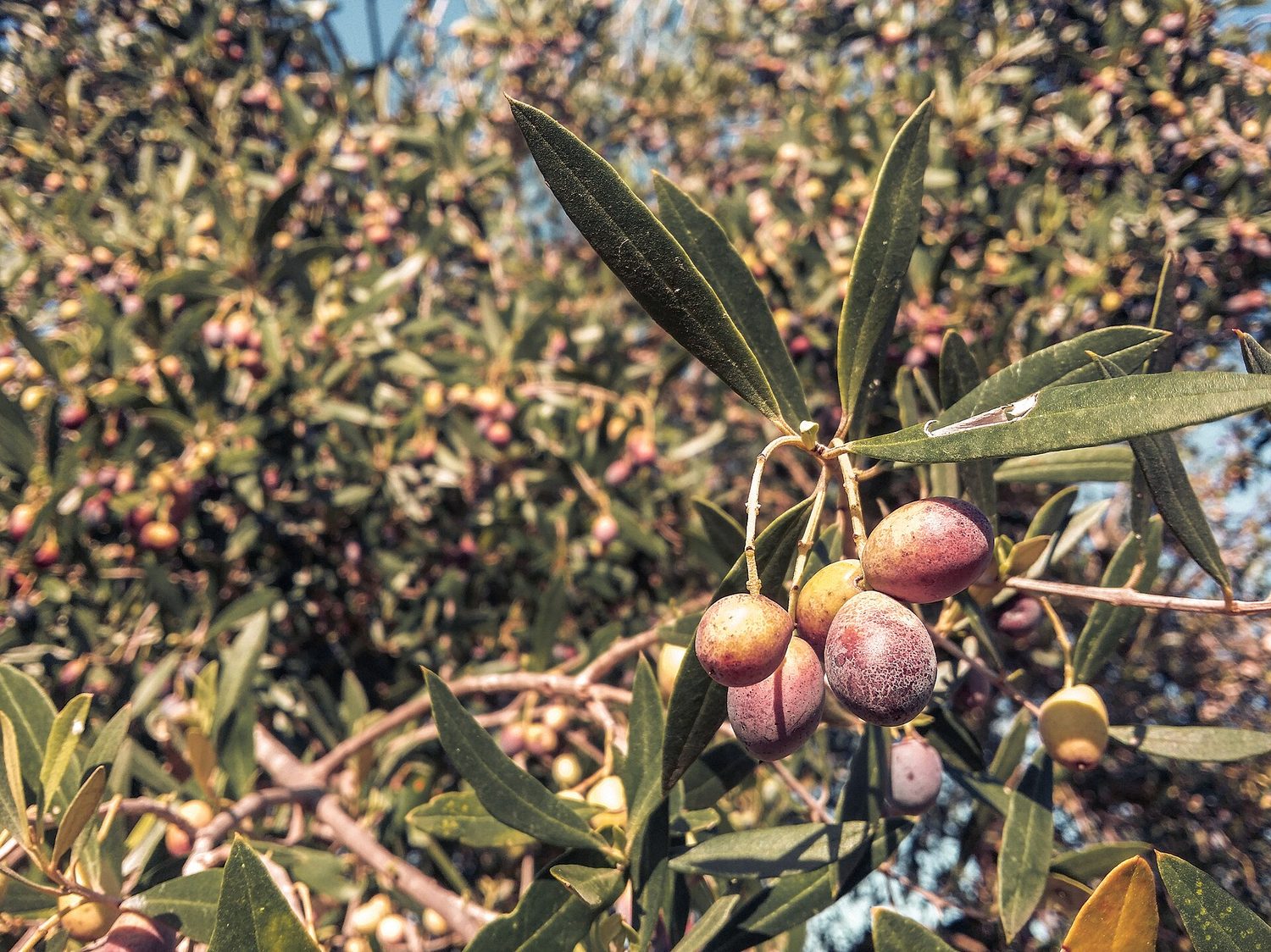
People have steeped olive leaves since antiquity, and today supplement aisles are stocked with olive leaf extract in capsules, tinctures and teas. The compound everyone points to is oleuropein — the same bitter molecule that makes a raw olive inedible — along with a family of related polyphenols. These are genuine antioxidants, and that is where the legitimate interest comes from. It is also where the honest account has to slow down, because interest is not the same as proof. This is general information, not medical advice.
What the evidence actually suggests
Laboratory work and some early, small human studies link olive-leaf polyphenols to antioxidant activity and to modest effects on things like blood pressure and blood sugar. That is real and worth noting. It is also a long way from the miracle language on the louder bottles — the ones implying it wards off every ill from colds to serious disease. The fair summary is three words: plausible, mild, unproven-as-a-cure. Treat anything grander than that as marketing until better, larger, longer trials say otherwise.
What the sellers don’t tell you
Supplement labels love a big number — standardised to 20% oleuropein! — but extract quality and dose vary wildly between brands, and a capsule is not automatically better than food. Here is the part the marketing skips: a cheaper, fresher source of the very same polyphenols may be sitting in your kitchen. A good, peppery extra virgin olive oil, the kind that catches at the back of your throat, is carrying those bitter phenolics too. That throat-catch is the polyphenols. If you want the olive’s antioxidants, a fine oil is the most pleasant delivery system ever invented.
| What it is | Extract of olive tree leaves |
|---|---|
| Active compounds | Oleuropein and related polyphenols |
| Property | Genuine antioxidant activity |
| Evidence | Small/early studies; modest effects |
| Honest status | Plausible and mild — not a cure |
| A rival source | Peppery extra virgin olive oil |
If you choose to take it
- Treat it as a supplement, not a medicine — and never a replacement for prescribed treatment.
- Be sceptical of miracle claims; the honest evidence is modest.
- Because it can nudge blood pressure and blood sugar, tell your doctor if you take related medication.
- Consider getting the same polyphenols from a good extra virgin olive oil and a decent diet.
Olive leaf extract: common questions
What is olive leaf extract?
A supplement made from the leaves of the olive tree, rich in oleuropein and related polyphenols — the same bitter antioxidants found in raw olives and good olive oil.
Does it really work?
Early, small studies link its polyphenols to antioxidant activity and modest effects on blood pressure and blood sugar. That is promising but limited — it is not a proven cure for anything. This is general information, not medical advice.
Is it safe?
Generally treated as low-risk, but it can nudge blood pressure and blood sugar. If you take medication for those, or any other, talk to your doctor before adding it so you don’t stack effects.
Is the extract better than olive oil?
Not necessarily. A good peppery extra virgin olive oil carries the same family of polyphenols in a fresher, more pleasant form — and as part of a whole way of eating rather than a pill.
How do I choose a supplement?
Be wary of big marketing numbers, since quality and dose vary a lot between brands. Treat it as a supplement, keep expectations modest, and involve your doctor if you take other medication.
I sell nothing, so let me be blunt: olive leaf extract is fine, mild, and wildly over-promised. The bitterness in an olive leaf is the same oleuropein that bites in a good oil, and it is a real antioxidant — but a capsule is not magic, and the loud bottles claiming miracles are selling hope, not evidence. If you want the olive’s polyphenols, the nicest source is already on your table: a fresh, peppery extra virgin that catches your throat. That catch is the good stuff. Eat well, buy a real oil, and treat any pill as a supplement to a life, not a substitute for a doctor.
Drawn from reviews of olive-leaf polyphenol research and on olive-oil phenolic content. General information, not medical advice.