Italy’s Worst Olive Harvest in Living Memory
Farmers do not say worst in living memory lightly. In the autumn of 2014 Italian olive growers used exactly that phrase, and with reason: a collapse of perhaps 40% in the crop. Looking back, it reads less like one bad year and more like the opening of a long, difficult chapter.
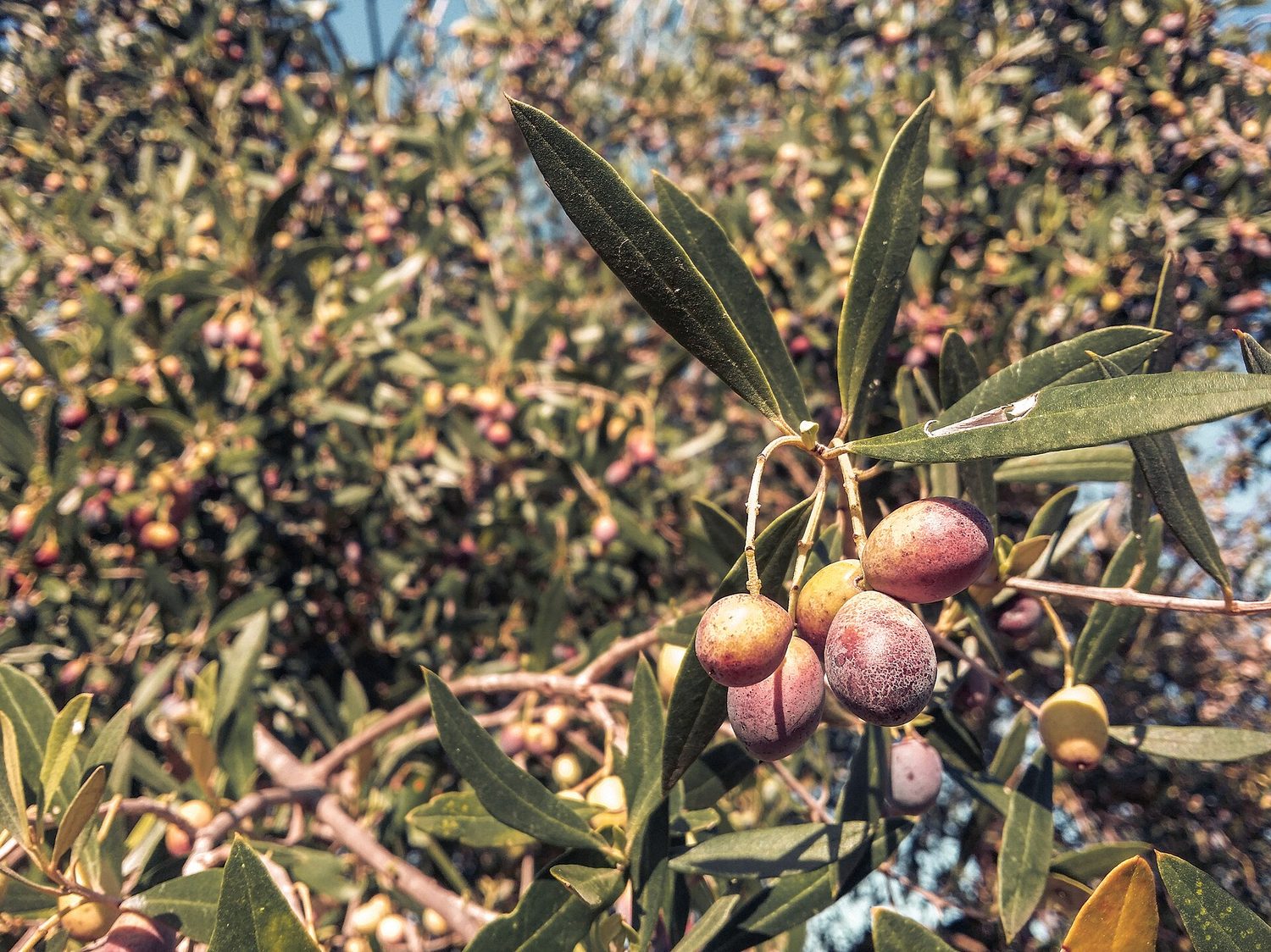
The 2014 Italian olive harvest did not just disappoint — it collapsed, with overall yields down by something on the order of 40%. It was caused by a miserable combination rather than a single villain. A cold, wet spring hurt flowering and fruit set. Then a hot, humid summer created ideal conditions for the olive fruit fly, whose larvae tunnel through the flesh and rot the fruit on the branch before it can be picked. And in the heel of the country, in Puglia, a new horror was just becoming visible: the bacterium Xylella fastidiosa, already killing trees. Bad weather, bad pests, bad news layered on top of one another.
Why one harvest can go so wrong
An olive crop is vulnerable at several distinct moments, and 2014 managed to wreck most of them. Cold and rain at flowering means fewer olives ever form. A warm, damp summer lets the fruit fly breed explosively, so of the olives that do form, many are ruined from the inside. The result is a double hit — less fruit, and much of what remains spoiled — which is how a season goes from disappointing to catastrophic. It is rarely one thing that breaks a harvest; it is a run of the wrong weather at exactly the wrong times.
The year the pattern changed
What makes 2014 worth remembering is not the single figure but what it began. Growers and scientists were, unusually, saying the quiet part aloud: that a changing, more turbulent climate was making harvests less reliable. And they were right. 2014 turned out to be the start of a run of difficult seasons across the Mediterranean — the leading edge of the trend that, a decade later, would drive olive-oil prices to record highs. The age of the cheap, dependable European harvest was quietly ending, and this was the year the cracks first showed clearly.
What it means for your bottle
A year like 2014 ripples straight onto the shelf: less oil, higher prices, and — the part that should worry a shopper most — more temptation for the unscrupulous to cut and fake extra virgin to fill the gap. Fruit-fly damage also lowers quality, not just quantity, giving higher acidity and musty faults. So when you read, years later, about olive oil prices climbing, remember it did not come from nowhere. The pressure that reached your bottle was building in groves like these, back in 2014.
| Scale | Overall crop down around 40% |
|---|---|
| Spring | Cold and wet — poor flowering and fruit set |
| Summer | Hot and humid — ideal for the fruit fly |
| Pest | Olive fruit fly rotting fruit on the branch |
| New threat | Xylella becoming visible in Puglia |
| Legacy | Start of a run of hard Mediterranean seasons |
Reading a harvest collapse
- Look at the whole season, not one event — spring weather, summer pests and disease stack up.
- Remember a bad year hits quality as well as quantity, thanks to pest damage.
- Expect the shelf to feel it as higher prices and more fraud pressure.
- Treat 2014 as a marker: the reliable, cheap harvest was starting to end.
Italy’s 2014 harvest: common questions
How bad was the 2014 Italian harvest?
Severe — overall yields fell by something like 40%, which growers described as the worst in living memory.
What caused it?
A combination: a cold, wet spring that hurt flowering, a hot, humid summer that let the olive fruit fly run riot, and the emerging Xylella disease in Puglia.
Why did a bad year matter beyond that season?
It marked the start of a run of difficult Mediterranean harvests, the leading edge of a trend that pushed prices to record highs a decade later.
Does a poor harvest affect oil quality?
Yes. Fruit-fly damage raises acidity and causes musty faults, so a bad year lowers quality as well as quantity.
How does this reach shoppers?
As higher prices and greater temptation to cut or fake extra virgin to fill the supply gap — reasons to buy fresh oil from careful producers.
Farmers do not throw around worst in living memory, so when they did in 2014 I paid attention. It was not one thing — a cold wet spring wrecked the flowering, a warm humid summer handed the fruit fly a banner year, and Xylella was surfacing in Puglia all at once. But the real significance came later : this was the year the pattern shifted. The cheap, dependable European harvest we all took for granted started to end here, and everything you have since read about record oil prices traces back to seasons like this one. The cracks were showing in 2014 ; most people just did not look.
Drawn from reporting on the 2014 Italian harvest, the olive fruit fly outbreak and the early Xylella crisis.