Spain’s Historic Drought Tightens the Screw
If 2022 lit the fuse, the summer of 2023 kept it burning. Western Europe baked through a second historic drought, and Spain — source of close to half the world’s olive oil — took the worst of it again. The record prices that followed were already written in the dry ground.
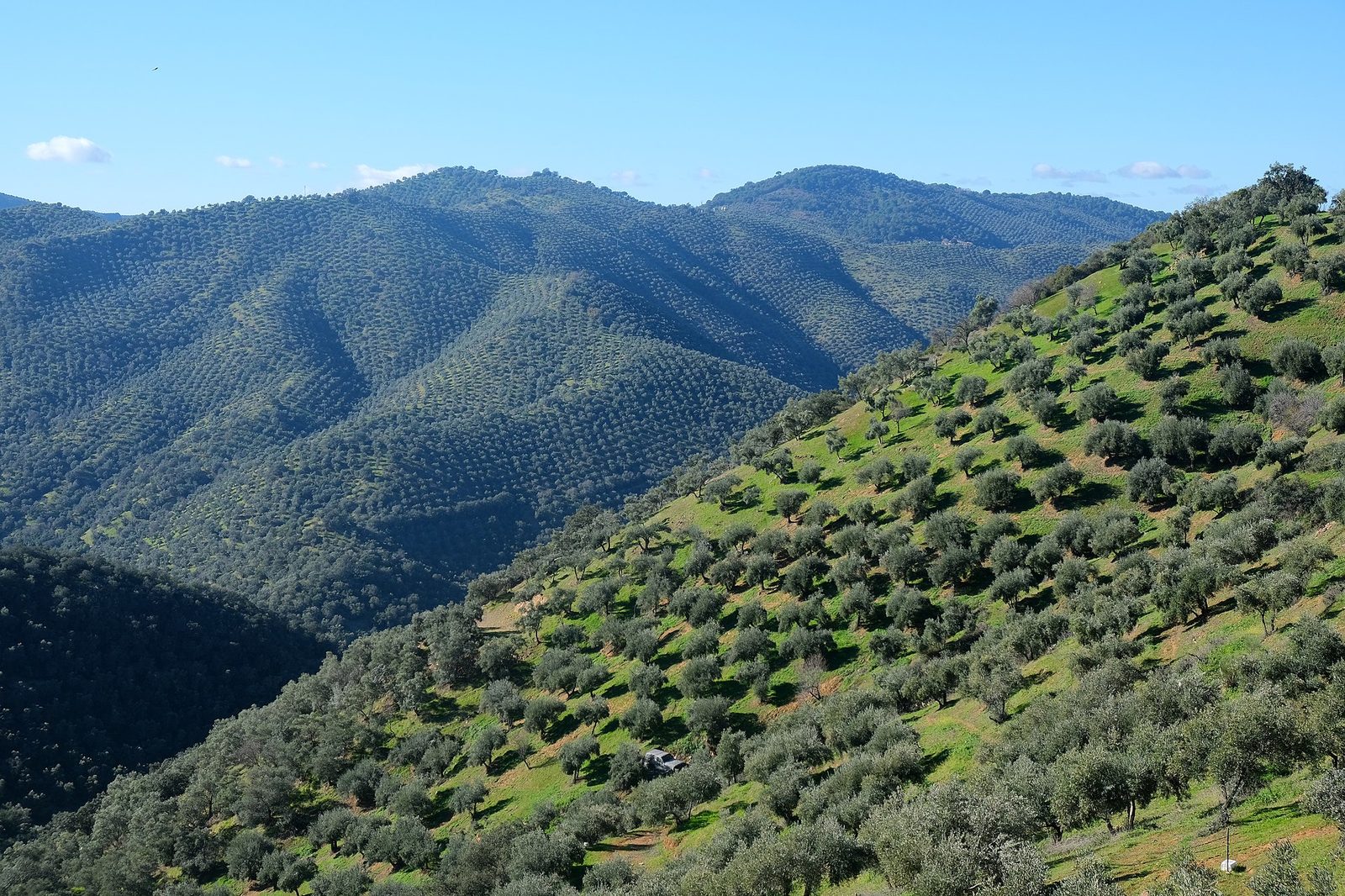
Two dry years back to back is the one thing an olive crop cannot absorb. A single drought is survivable — the tree is built for it, shedding fruit to save itself and bouncing back the following season. But when a second consecutive year of historic drought gripped western Europe, with Spain hardest hit, the trees had no reserves left to draw on. Spain produces close to half the world’s olive oil, so when its groves fail, the whole market feels it. Survey after survey of producers reported drought slashing the 2023 harvest, and the outcome was no longer in doubt.
Why the timing is so cruel
The olive year is decided early and cannot be rescued late. Water stress at flowering in spring and at fruit-set in early summer determines how much oil there will be months before the harvest. Two dry years hit at exactly those windows, so by midsummer the coming crop was already lost — no amount of autumn rain could undo a scorched spring. This is why the drought was not a separate story from the price spike. It was the price spike, months ahead, written in soil moisture nobody outside the trade was watching.
The uncomfortable big picture
Here is the part that should give anyone pause. The olive is the great drought-survivor — a tree that fed dry Mediterranean lands for thousands of years precisely because it could take the heat. So it is genuinely alarming that drought is now the thing that threatens it most. The climate the olive was built for is shifting past its limits, and that is a large part of why the crop keeps spreading to new ground worldwide, from California to the southern hemisphere. The Mediterranean’s long monopoly is loosening partly because the Mediterranean is becoming too hot and dry for its own signature tree.
| What happened | A second straight historic drought across western Europe, Spain worst hit |
|---|---|
| Why Spain matters | It makes close to half the world’s olive oil |
| The mechanism | Drought at flowering and fruit-set decides the crop months early |
| The result | A slashed 2023 harvest and, later, record prices |
| The deeper shift | A drought-hardy tree meeting dryness beyond its limit |
| The consequence | Growing spreading to new lands as the Mediterranean warms |
What a buyer should take from it
- Watch the spring, not the autumn. A dry spring in Andalusia foretells a tight, pricey year ahead.
- Back-to-back droughts are the real danger — one the tree survives, two it cannot.
- Expect the map to widen. New-world oils are partly a response to Mediterranean drought.
- A tight year invites fraud. Scarcity and high prices are exactly when to buy traceable oil.
Spain’s 2023 drought: common questions
Why did Spain’s drought move the whole world price?
Because Spain makes close to half the world’s olive oil. When its Andalusian heartland fails, global supply falls and prices rise everywhere.
Why was a second dry year so much worse?
The olive survives one drought by shedding fruit and bouncing back. A second consecutive year leaves no reserves, and the losses compound.
When is an olive crop actually decided?
Early — water stress at spring flowering and early-summer fruit-set sets the crop size months before harvest, so autumn rain can’t rescue a dry spring.
Isn’t the olive supposed to be drought-hardy?
It is, which is what makes this alarming. The tree that thrived on dry Mediterranean land is now meeting dryness beyond even its limits.
What does this mean long term?
Part of why olive growing keeps spreading to new lands — California, the southern hemisphere — is that the Mediterranean is warming past comfort for its own tree.
The detail that stays with me is the irony. The olive is the world’s great drought-survivor — it fed dry lands for millennia precisely because it laughed at heat. So when drought becomes the very thing that threatens it, you know something fundamental has shifted. Two dry years in a row is the killer: one the tree shrugs off, two it cannot. And the quiet consequence is a map that keeps widening — every new grove in California or the southern hemisphere is, in part, a hedge against a Mediterranean growing too hot for its own signature crop.
Drawn from summer-2023 reporting on the western-European drought and producer harvest surveys for the 2023 season.