Europe’s Brutal 2022 Drought — and the Coming Olive Squeeze
Olive trees earned their reputation on heat, stone and thirst. But even legendary toughness has a limit, and a second dry year at flowering broke it. Europe’s brutal drought was the fuse beneath the price shock that followed.
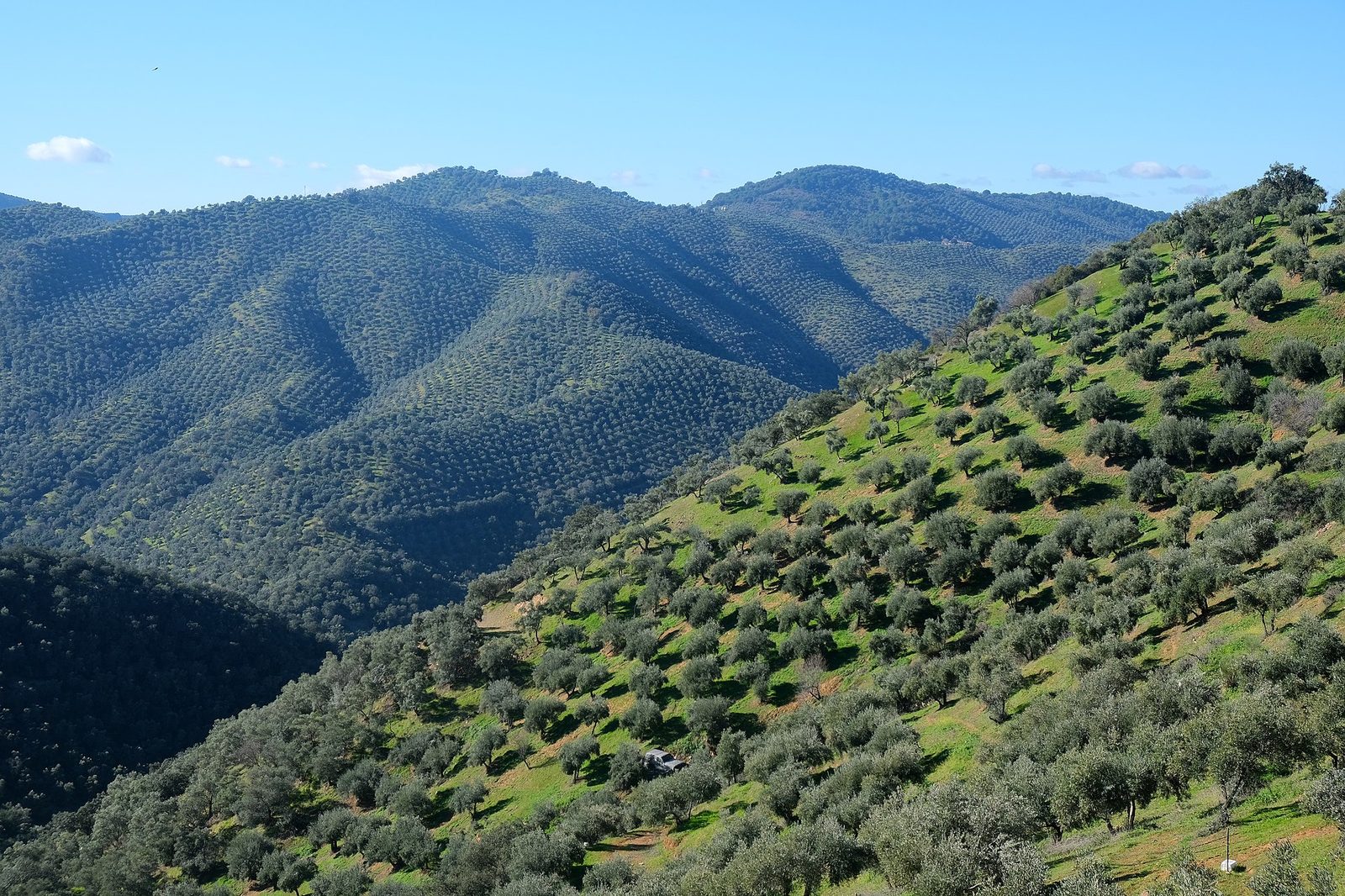
In hindsight, that scorching summer was the fuse. Europe baked through what many called its worst drought in centuries, parching Spain, Italy, Portugal and beyond. The olive is famously drought-hardy — it is the tree that thrives where others fail, on heat, stone and thirst — so the danger was easy to underestimate. But there is a limit to any toughness, and a second dry year in a row, striking at the worst possible moment, meant a poor crop in exactly the countries the world relies on. The bill shoppers paid later was written in those dry fields.
Why the olive’s toughness has a limit
The olive survives drought that would kill most fruit trees, and that resilience is real. But surviving is not the same as fruiting. A tree under severe water stress protects itself first: it drops fruit, shrinks its crop and simply makes less oil. The critical window is flowering and fruit-set in spring and early summer — get a heatwave and drought then, and the tree sheds its potential harvest to stay alive. It endures; the crop does not. That distinction, between a living tree and a full one, is the whole difference between a hardy plant and a reliable one.
How a dry summer became a price shock
The supply side broke that year. A short harvest from a drought-hit Spain, with world reserves already thin from an earlier poor season, is precisely the combination that sends prices to records. Because the dominant producer cannot be replaced, its bad year becomes everyone’s bad year, and the shortage rolls forward into the seasons that follow. One drought does not just cost one harvest; it drains the buffer that would have cushioned the next, which is how a single dry summer echoes for years.
One drought is weather; a run of them is the trend
Here is the uncomfortable bigger picture. A single dry year is just weather, and the olive has always ridden those out. But a run of them is something else — a pattern the modern Mediterranean is testing against even the olive’s legendary endurance. It is also why the crop keeps spreading to new lands on five continents: growers are hedging against a heartland that is no longer the safe bet it once was. The tree that thrives on hardship is finally meeting hardship it cannot always shrug off.
| Condition | What the olive tree does | Effect on the crop |
|---|---|---|
| Normal dry summer | Endures easily | Full harvest |
| One severe drought | Sheds some fruit to survive | Reduced harvest |
| Drought at flowering | Loses fruit-set | Poor harvest |
| Two dry years running | Little reserve left | Crop and market both break |
What a grower or buyer should take from it
- Judge the crop by rainfall at flowering, not just annual totals — timing is everything.
- Remember a drought’s effect rolls forward : it drains the reserves that would have cushioned the next year.
- Read a run of dry years, not a single one, as the real warning — that is the trend, not the weather.
- Expect the crop to keep spreading to new regions as the old heartland grows less dependable.
Drought and the olive: common questions
Aren’t olive trees drought-resistant?
Yes, remarkably so — they survive dry spells that would kill most fruit trees. But surviving is not fruiting. Under severe stress a tree drops fruit and makes less oil, so the crop suffers even when the tree lives.
When is drought most damaging?
At flowering and fruit-set in spring and early summer. A heatwave and drought in that window make the tree shed its potential harvest to protect itself, which is when a dry year does the most damage to yield.
How does one drought raise prices for years?
A short harvest from the dominant producer drains world reserves. With the buffer gone, the next season has nothing to cushion it, so a single dry summer can echo through several years of tight supply.
Is climate change making this worse?
A single dry year is weather, but a run of them is a trend — and the modern Mediterranean is testing even the olive’s toughness. That pressure is one reason the crop keeps spreading to new regions.
Can olives be grown outside the Mediterranean now?
Increasingly, yes — on five continents. Part of the reason is growers hedging against a heartland whose weather is no longer the safe bet it once was.
One drought is weather; a run of them is the trend. The olive earned its reputation as the tree that thrives where others fail — on heat, stone and thirst — but the modern Mediterranean is testing even that legendary toughness. It is also why the crop keeps spreading to new lands on five continents: the old heartland is no longer the safe bet it once was. Judge a season by the rain at flowering, watch the run rather than the single year, and you will read the olive world far better than the headlines do.
Drawn from European drought monitoring (widely reported as the continent’s worst in roughly 500 years) and standard olive agronomy.