Italy’s Toughest Olive Harvest Yet
When Italy has a bad olive year, the world feels it twice. Italy is a major producer, yes — but it is also the planet’s great bottler and re-exporter, so a short Italian crop pulls in oil from everywhere and raises the temptation, at every step, to cut corners.
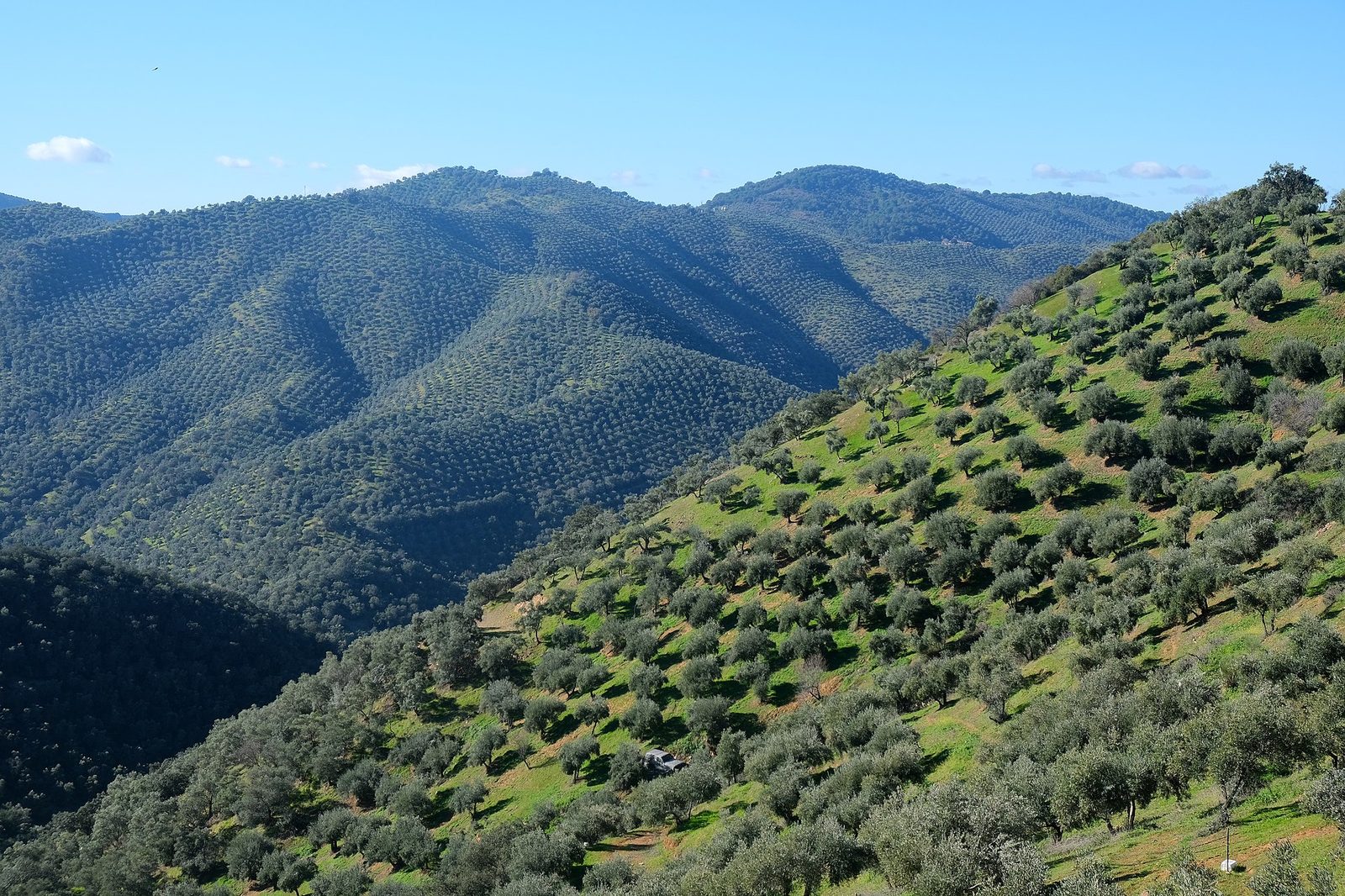
Italy’s growers have worn out the phrase ‘the worst harvest in memory’ — reaching for it season after season as erratic weather, drought, floods, pests and the ever-present threat of Xylella in the south grind down the crop. Somewhere along the way it stopped being a shock and became the weather report. But a thin Italian year is not just another bad harvest. Because of Italy’s peculiar double role in the olive-oil world, its shortfall ripples far beyond its own groves.
Grower and bottler both
Italy is one of the world’s largest olive-oil producers and, at the same time, its most important bottler, blender and re-exporter. Enormous volumes of oil arrive in Italy from Spain, Greece, Tunisia and elsewhere, are blended and bottled, and leave again under Italian labels for markets that prize the Italian name. In a good year that trade runs on Italy’s own oil plus imports. In a short year, the home crop shrinks but the demand for ‘Italian’ oil does not — so even more foreign oil is imported, blended and bottled under the flag.
Why a short crop tempts fraud
Here is the uncomfortable part. When the home crop fails and prices climb, the gap between what a bottle says and what is inside it widens, and so does the incentive to mislead. ‘Bottled in Italy’ has never meant ‘grown in Italy’ — it is a packaging claim, not an origin one — but a scarce, expensive year is exactly when that distinction gets quietly blurred, and when the worst actors are tempted past blending into outright adulteration. A weak Italian harvest is therefore also a warning to read labels harder.
What honest oil looks like
None of this means Italian oil is to be avoided — much of it is superb, and blending is a legitimate craft. It means you buy on evidence, not on a flag. Look past ‘bottled in’ or ‘packed in’ to a stated country or region of the olives themselves, a named cultivar, a harvest date, and ideally a protected designation. Those are the marks of an oil that knows where it came from. In a tough Italian year, that traceability is the single best defence a buyer has.
| Italy’s first role | Major olive-oil producer |
|---|---|
| Italy’s second role | World’s great bottler and re-exporter |
| What a short crop does | Pulls in yet more imported oil |
| ‘Bottled in Italy’ means | Packaged there — not necessarily grown there |
| The rising risk | Blurred origin, occasional adulteration |
| The buyer’s defence | Origin of the olives, cultivar, harvest date, PDO/PGI |
Buying Italian oil in a tough year
- Read past ‘bottled in Italy’ — it describes packaging, not where the olives grew.
- Look for a stated origin of the olives, a named cultivar and a harvest date.
- Prefer a protected designation (PDO/PGI) for genuine traceable Italian oil.
- Don’t shun Italian oil — much is excellent — just buy on evidence, not a flag.
Italy’s olive harvest: common questions
Why does a bad Italian harvest matter so much?
Because Italy is both a big producer and the world’s great bottler and re-exporter. A short home crop pulls in even more imported oil to bottle under Italian labels.
Does ‘bottled in Italy’ mean the olives are Italian?
No. It is a packaging claim, not an origin one. The oil inside may have been grown in Spain, Greece, Tunisia or elsewhere and simply bottled in Italy.
Why does a short crop raise the risk of fraud?
Scarcity and high prices widen the gap between label and contents and increase the incentive to blur origin — or, at worst, to adulterate the oil.
Should I avoid Italian olive oil?
No. Much of it is excellent and blending is legitimate. Just buy on evidence: origin of the olives, a named cultivar, a harvest date and ideally a protected designation.
What is the best single safeguard?
Traceability — a bottle that clearly states where the olives grew, from a protected designation where possible, tells you far more than any flag on the front.
‘Worst harvest in memory’ stopped being news years ago and became the weather report. A weak Italian crop matters twice over: Italy is a big producer and the world’s great bottler, so when it is short of its own olives, even more oil gets imported, blended and bottled under the Italian flag — and the temptation to cut corners climbs with the price. The honest takeaway for anyone who loves this oil: cheap, reliable Mediterranean abundance is a thing of the past, and traceability is your best defence.
Drawn from contemporary Italian harvest reporting and the structure of the Italian bottling and re-export trade.