Xylella: The Plague Killing Puglia’s Ancient Olives
Of all the threats to the olive, this is the one that keeps growers awake. Xylella fastidiosa is a bacterium with no cure, and since 2013 it has been converting the ancient silver groves of Puglia into grey skeletons. It is the most sobering story in olives, and it is still being written.
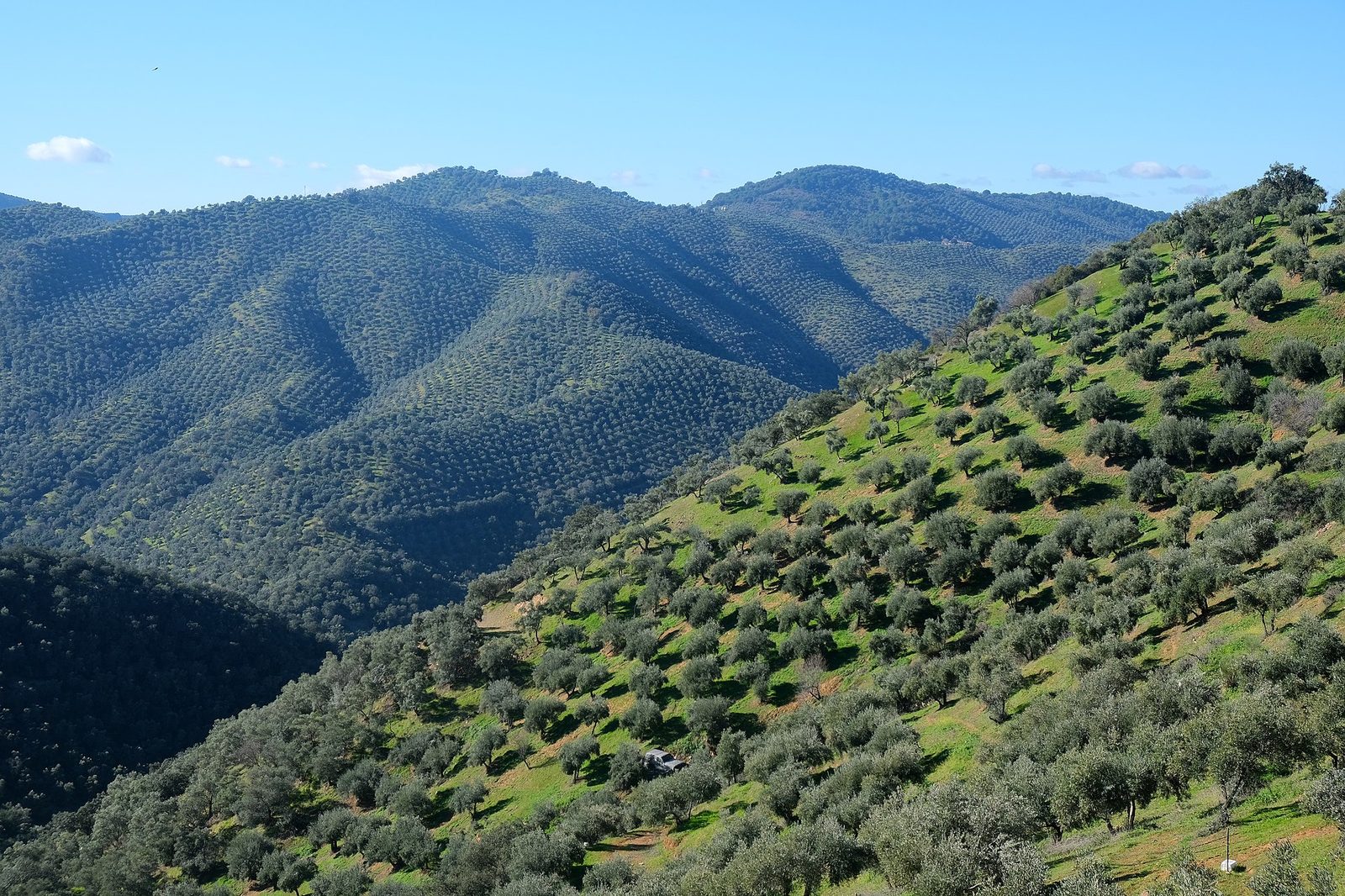
Xylella fastidiosa is a bacterial pathogen carried by sap-sucking insects. Once inside a tree it multiplies in the vessels that carry water up from the roots, gradually clogging them until the branches scorch, the leaves brown, and the tree dies of what is effectively thirst. It was confirmed on olive trees in the Salento — the deep south of Puglia, the heel of Italy — in 2013, the first time the bacterium had ever been recorded in the European Union. Within a couple of years the infected zone had spread widely across the region.
Why it is a catastrophe, not just a disease
There is no cure. Once a tree is infected it cannot be saved, and the only tool against spread is removal — cutting down infected trees and, often, healthy ones around them to build a buffer. In Puglia that has meant felling enormous numbers of olives, including centuries-old monuments that had survived every drought, war and hard winter history threw at them. Over the years that followed the first detection, many millions of trees were lost, and some ancient local varieties were hit especially hard. A landscape two thousand years in the making began to disappear in a decade.
The slow road back
The one hopeful thread is resistance. Not all olive varieties fall equally fast, and a small number — the Leccino among them — have shown enough tolerance to keep growing where others died. Replanting the Salento now leans heavily on these resistant cultivars, which is a genuine lifeline but also a quiet loss: an ancient, diverse patchwork of local olives is being replaced by a narrower set chosen for survival. Recovery is measured in decades, because an olive tree is not a crop you replace in a season. It is a lifetime, sometimes many lifetimes, of growth.
The hard truth under the heartbreak
We marvel at thousand-year-old olive trees as though they are immortal. Xylella is the proof that they are not. A grove that took twenty centuries to build can be lost in a handful of years to a pathogen no one saw coming — and a warmer, more connected world, moving plants and insects across borders faster than ever, makes such arrivals more likely, not less. This is not only a story about one region’s misfortune. It is a warning about how fragile the old, beautiful things really are.
| Pathogen | Xylella fastidiosa (bacterium) |
|---|---|
| Spread by | Sap-sucking insects |
| Mechanism | Clogs water vessels; tree dies of thirst |
| First EU olive record | Puglia, 2013 |
| Treatment | None — no cure exists |
| Containment | Removal of infected and nearby trees |
| Recovery | Replanting with resistant cultivars |
What Xylella teaches
- There is no cure; management means removal and containment, not treatment.
- It spreads via insects, which is why controlling vectors and plant movement matters so much.
- Ancient trees are not immune to modern plagues — age is no protection.
- Recovery leans on resistant cultivars, trading biodiversity for survival.
Xylella and olives: common questions
What is Xylella fastidiosa?
A bacterial plant pathogen spread by sap-sucking insects. In olives it clogs the tree’s water-carrying vessels, causing scorching, dieback and death.
When did it reach Italy’s olives?
It was confirmed on olive trees in the Salento, in southern Puglia, in 2013 — the first record of the bacterium in the European Union.
Is there a cure?
No. There is no cure. Infected trees cannot be saved, so control relies on removing infected and surrounding trees to slow the spread.
How many trees have been lost?
Many millions across Puglia over the years since the outbreak, including irreplaceable centuries-old trees and hard-hit ancient local varieties.
How can groves recover?
By replanting with resistant or tolerant cultivars, such as the Leccino, though this narrows the ancient diversity of local olives.
This is the story that keeps me up at night. We treat old olive trees as if they are immortal — a thousand years standing, so surely a thousand more. Xylella proved otherwise in a decade. No cure, spread by insects, and the only defence is the saw : cut the sick trees and the healthy ones around them, ancient monuments included. Puglia lost millions, and the diverse old patchwork is being replaced by a handful of resistant varieties chosen simply because they live. That is survival, not restoration. A warming, well-connected world will bring more of these plagues, not fewer — and this one is still being written.
Drawn from European plant-health authorities and reporting on the Xylella outbreak in Puglia.