Rains Return and Prices Keep Sliding
People talk about the olive oil price as if it were one number. It never has been. What exists is a scatter of local prices — Jaén, Bari, Kalamata — set region by region, grove by grove, and often pointing in different directions at the very same moment.
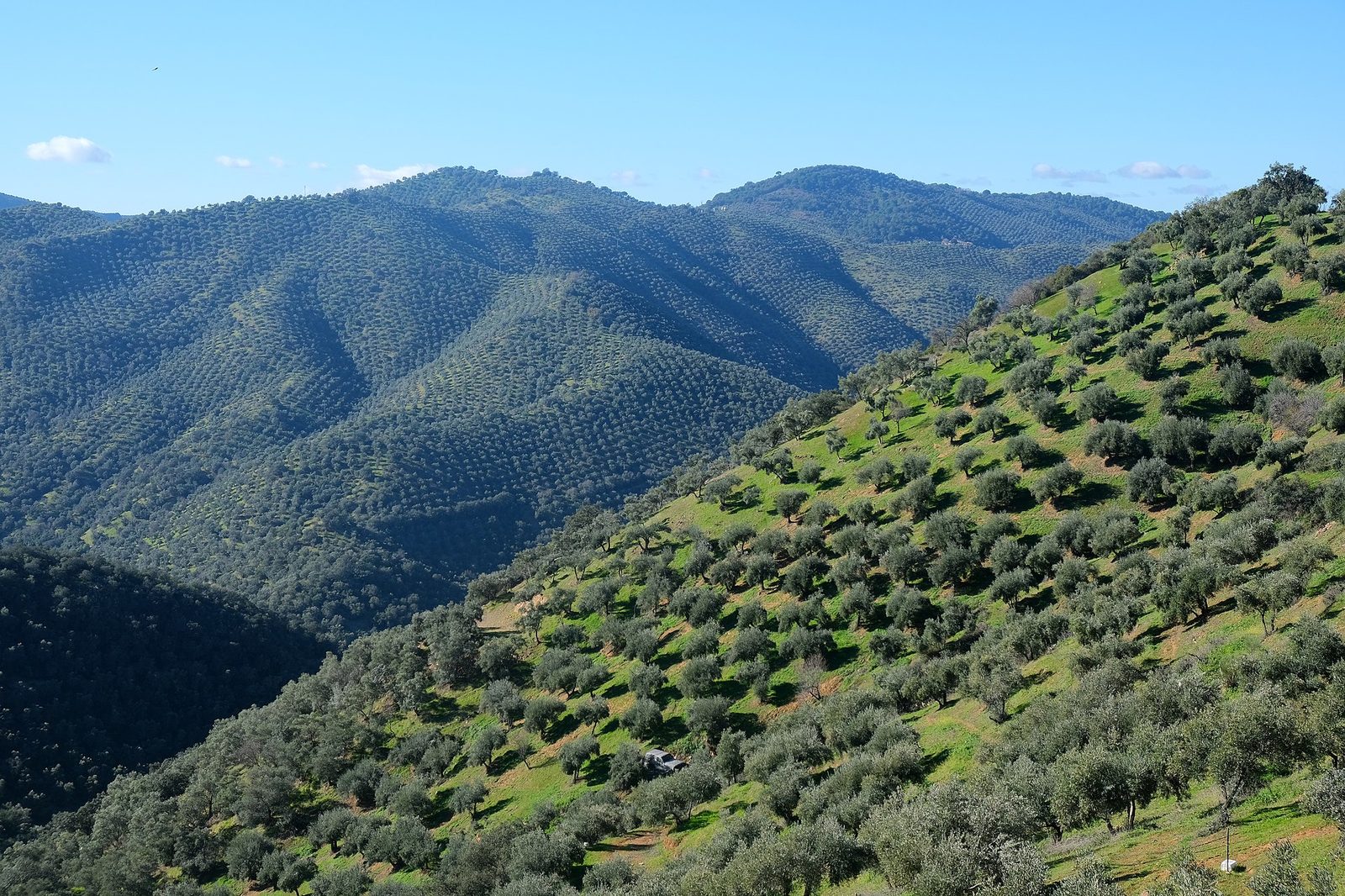
When Spanish rains return after a run of dry years, the crop swells and producer prices slide — sometimes dramatically, down by half or more against the peak of a bad year. But that fall shows up first and hardest in the Spanish reference markets, above all Jaén, the beating heart of Andalusian bulk oil. Elsewhere the same week can look completely different. The truth the headlines flatten is that there is no such thing as the olive oil price; there is a mosaic of them.
Why Jaén and Bari drift apart
Jaén sets the tone for vast volumes of everyday Spanish oil, so when Spain’s crop recovers, its producer price can drop toward levels that look startling next to Italy. Bari, the Italian benchmark, answers to a different market: smaller crops, a stronger domestic brand, and Italy’s role as the world’s great bottler and re-exporter, which keeps its quoted prices higher. In a good Spanish year the gap between the two can be wide — Spanish bulk cheap, Italian oil still dear — a plain reminder that geography, not a single global rate, sets what a litre costs.
The weather giveth and taketh away
The mechanism behind a sliding price is almost always the same: rain at the right time. A wet, mild spring gives the trees a strong flowering and fruit set, the crop comes in heavy, and the extra oil pushes prices down. It is the exact mirror of a scorched spring sending them vertical. This is why a single wet season can undo a price spike that drought spent two years building — and why the direction of the olive oil market is, more than anything, a weather report with a lag.
What it means at the shelf
Falling producer prices reach the supermarket slowly and unevenly. Bottlers buy ahead, hold stock, and pass on cheaper oil only when it suits them, so a big drop in Jaén might ease retail prices months later — and only for the oils actually made from that cheap Spanish bulk. The lesson for a shopper is to ignore the single-number story and buy on what you can verify: a recent harvest date and a clear origin. Those tell you far more than any market average about the bottle in your hand.
| Spain’s anchor | Jaén — sets the tone for bulk oil |
|---|---|
| Italy’s benchmark | Bari — typically quoted higher |
| What pulls prices down | Rain at flowering, a heavy crop |
| What pushes them up | Drought and heat during the bloom |
| Why regions differ | Crop size, branding, re-export role |
| What to trust | Harvest date and origin, not an average |
Reading regional prices
- Ignore the idea of a single olive oil price — think in regional markets like Jaén and Bari.
- Expect Spanish bulk to move first and furthest when the crop recovers.
- Remember a producer-price fall reaches the shelf slowly, if at all, and only for oils made from that cheap oil.
- Buy on harvest date and origin, which beat any market average for judging a specific bottle.
The olive oil price: common questions
Is there one global olive oil price?
No. There is a set of regional producer prices — Jaén, Bari and others — set grove by grove, which can move in different directions in the same week.
Why is Spanish oil often cheaper than Italian?
Spain produces enormous volumes of bulk oil anchored by the Jaén market, while Italy has smaller crops, a stronger domestic brand and a re-export role that tends to keep its benchmark higher.
What makes producer prices fall?
Chiefly rain at the right time. A wet, mild spring gives a strong flowering and a heavy crop, and the extra oil pushes prices down.
Why doesn’t a price crash reach the shelf quickly?
Bottlers buy ahead and hold stock, passing on cheaper oil only when it suits them — and only for the oils actually made from that cheap bulk.
What should I look at instead of the market price?
The harvest date and the origin on the bottle. They tell you far more about a specific oil than any regional average.
The mirror image of a drought spike: where a scorched spring once sent prices vertical, a wet one drags them down. The weather giveth and taketh away. And the gap between Jaén and Bari in the very same week is the clearest reminder that the olive oil price is really many local prices, set grove by grove, region by region. Don’t chase the single-number headline — buy on a recent harvest date and a clear origin, which tell you what an average never can.
Drawn from International Olive Council price series for the Jaén and Bari markets and long-run market patterns.