The First Crack: Spring Rain Brings Hope
The turning point in an olive oil crisis rarely comes from a harvest. It comes from the sky. A few weeks of timely spring rain, falling at the make-or-break moment of the olive year, can do what nothing else can after a long drought: crack a record price wide open.
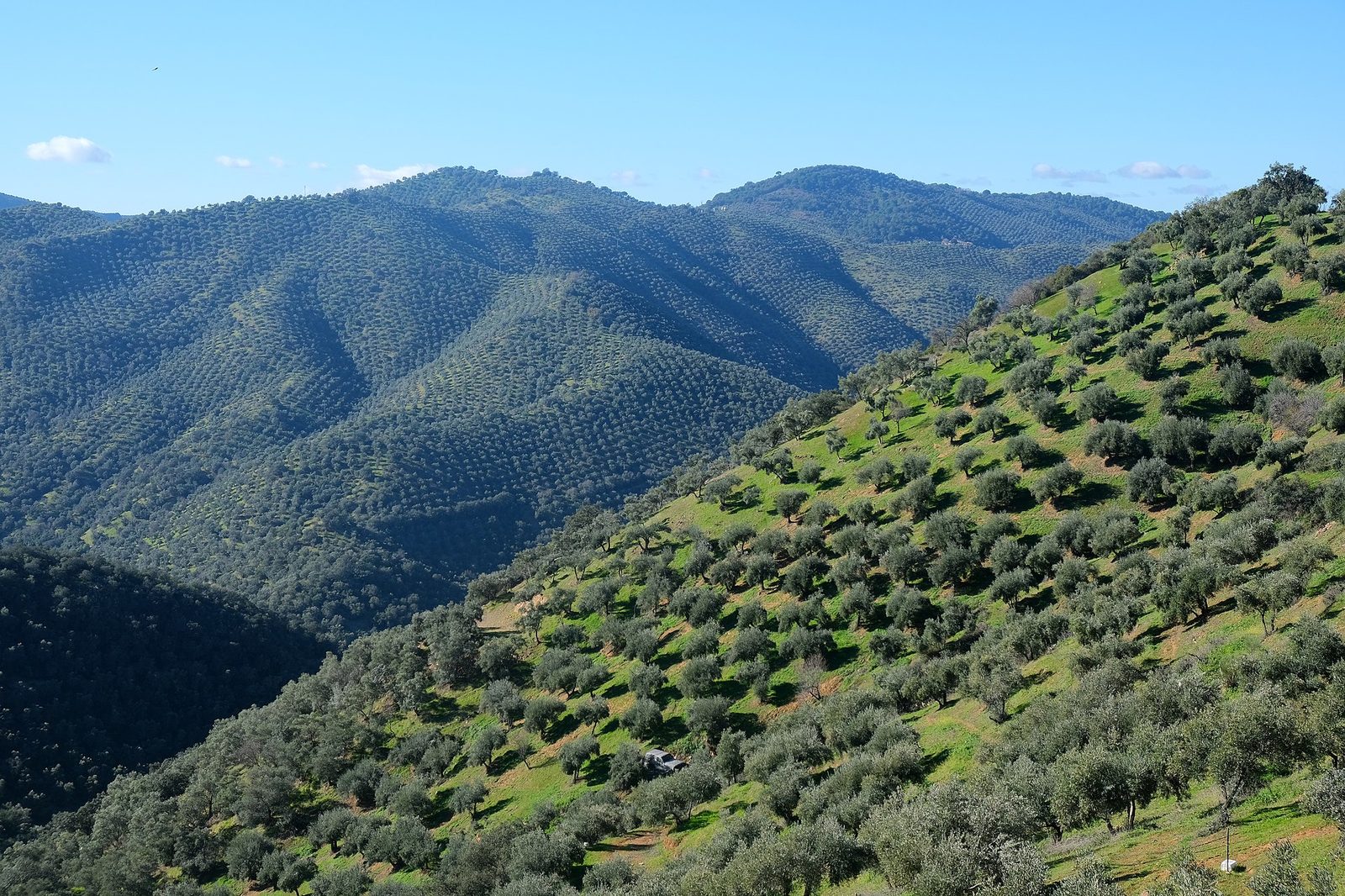
After a record price peak built by drought, the first real relief tends to arrive not as a bumper harvest but as a weather forecast. Sustained spring rain and mild temperatures give the trees excellent conditions for flowering and fruit set — the single most important stretch of the whole olive year. The instant a better crop becomes plausible, the market starts to turn, and prices begin their first genuine decline from the peak, long before a single new olive is picked.
Flowering: the moment everything turns on
Olive prices hinge on the weather at flowering more than on almost anything else. In the space of a few weeks in spring, the trees flower and set their fruit, and that window decides how big the coming crop will be. Timely rain and gentle warmth mean a strong set and a heavy year; heat or drought at the same moment means the blossom fails and the crop is short. This is why the spring, not the autumn harvest, is where the direction of the market is really settled — by harvest time the outcome is already written.
Why the relief lags
A change in direction is not the same as cheap oil in the shop. When spring rain cracks a record price, the effect shows up first in producer and wholesale markets, easing quotes from their peak. But the new, larger crop is still months from being harvested, pressed, sold and bottled, and bottlers work through expensive stock before passing cheaper oil on. So the shelf feels the relief last and slowly. The useful thing to understand is that the direction has changed well before your bill does.
Watch the spring, not the harvest
If you want to guess where olive-oil prices are heading, watch the spring weather in the big growing regions, not the autumn harvest — by autumn the crop is already decided. Rain at flowering is the single best early signal of cheaper oil to come, the clearest crack in any price peak. It is also a reminder of how completely this market answers to a few weeks of weather, and why the honest advice never changes: buy on harvest date and origin, and don’t wait for the perfect price that the weather may never allow.
| Where prices turn | Spring, at flowering — not the harvest |
|---|---|
| The make-or-break window | Flowering & fruit set (a few spring weeks) |
| What cracks a peak | Timely rain and mild temperatures |
| What shows first | Producer and wholesale quotes |
| Why the shelf lags | Harvest, pressing, bottling and old stock |
| The early signal | Rain at flowering = cheaper oil ahead |
Reading the turning point
- Watch spring weather in the growing regions, not the autumn harvest, to read the market’s direction.
- Know that rain at flowering is the single best early signal of cheaper oil to come.
- Expect the relief to reach the shelf last, months after producer prices ease.
- Keep buying on harvest date and origin rather than waiting for a perfect price.
Spring rain and olive oil prices: common questions
Why does spring rain lower olive oil prices?
Because it falls at flowering, the moment that decides the crop’s size. Timely rain and mild weather give a strong fruit set and a heavier harvest, and the extra oil pushes prices down.
Why do prices turn before the harvest?
Once a good crop becomes plausible at flowering, the market starts to price it in immediately — long before the olives are picked. By harvest time the outcome is already set.
Why doesn’t the relief reach the shop straight away?
The new crop still has to be harvested, pressed, sold and bottled, and bottlers work through costly older stock first, so retail prices ease last and slowly.
What should I watch to predict prices?
The spring weather in the main growing regions. Rain at flowering is the clearest early signal of cheaper oil ahead.
Should I wait for prices to fall before buying?
Not really. Buy on harvest date and origin when you find good oil; the weather may never deliver the perfect price, and freshness matters more.
If you want to guess where olive-oil prices are heading, watch the spring weather in the big growing regions, not the autumn harvest — by harvest time the crop is already decided. Rain at flowering is the single best early signal of cheaper oil to come, the clearest crack in any record peak. The relief may be months from the shelf, but the direction changes first, up in the trees, weeks before it ever reaches your bill.
Drawn from Spanish producer-price and flowering-condition reporting and long-run market patterns.