The First 2025/26 Forecast: Easing From the Peak
Every autumn the first world-output forecast lands, and the market reacts as if it were fact. It isn’t. A harvest forecast is an educated early guess about a crop still hanging on the tree — useful, but only if you know what it can and cannot tell you.
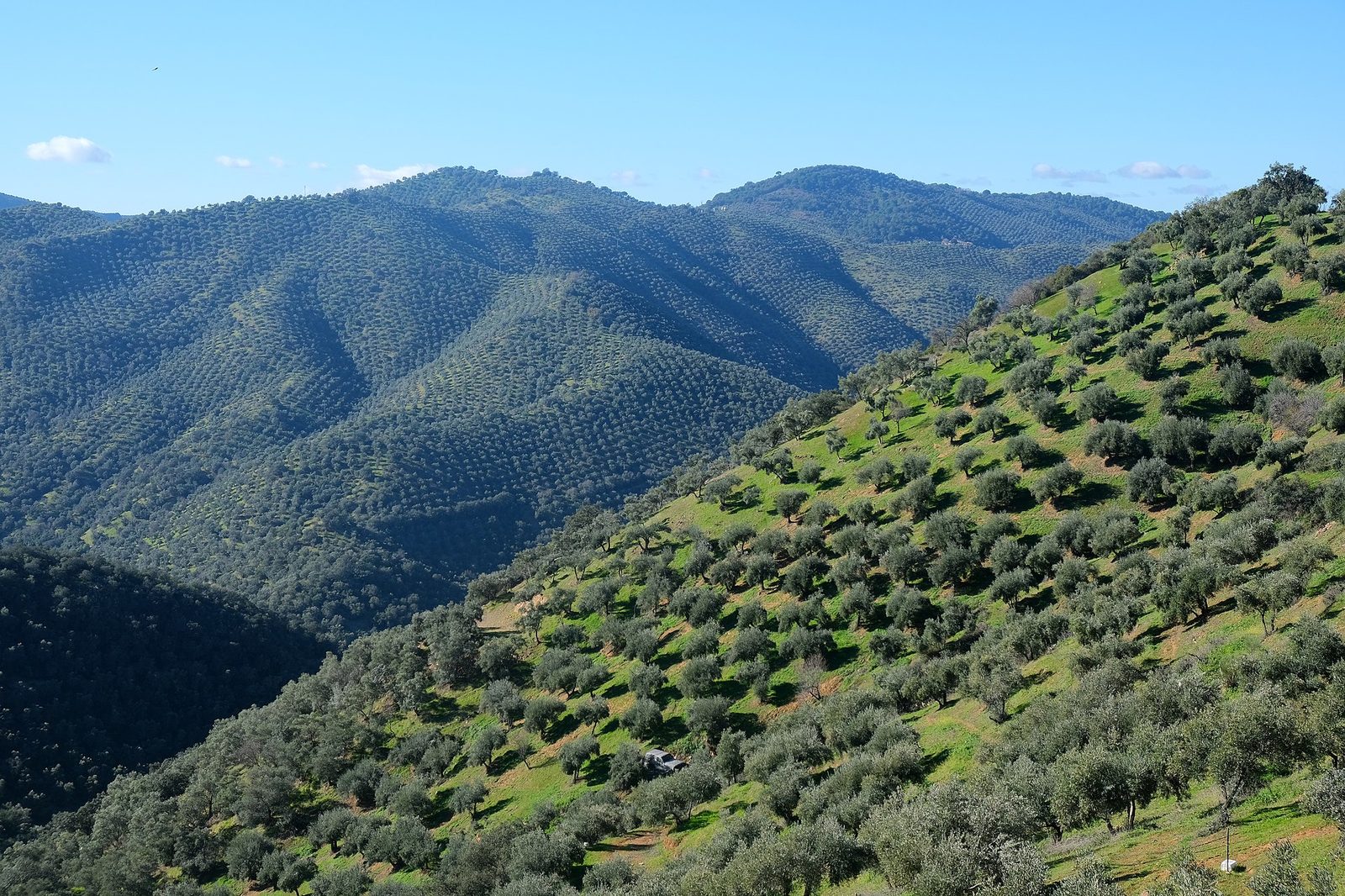
The International Olive Council issues the figures the whole trade watches, and its first estimate of a new season always makes news. But the number that grabs the headline — world output up or down a few percent — is a forecast, not a fact. It is stitched together from field reports, flowering data, rainfall and the memory of how these regions behave, at a moment when the olives are still ripening and the mills have barely started. Read it as a direction of travel, not a final tally.
What a forecast is really made of
A production forecast rests on a handful of ingredients: how the spring flowering went, how much rain fell and when, how the trees are carrying fruit, and the alternate-bearing rhythm that makes a heavy year likely to be followed by a lighter one. Spain, as the swing supplier, dominates the world number, so a Spanish estimate moves the global figure more than anywhere else. All of it is provisional. A hot, dry September can shrink a crop after the forecast is written; timely late rain can plump it up. The estimate narrows as the harvest proceeds and hardens only when the oil is actually in the tanks.
Why a small dip is not a crisis
When a forecast shows world output easing by a few percent from a strong year, it is tempting to read scarcity into it. Usually there is none. A four-percent give-back after a record rebound is simply the natural breathing of the olive year — a good crop resting, a hot summer trimming the edges. Prices can stay low through exactly such a dip, because the stores are still full from the year before. The mistake is to treat every downward forecast as the start of a shortage; most are just the ordinary wobble of a crop that never sits still.
The signal underneath the number
What matters more than any single forecast is the trend it sits inside. A warming climate pressing on a crop grown in too few places is the slow squeeze that never really goes away — it only steps back for a season now and then. So the useful way to read the first estimate of a year is not as a verdict but as one more data point in a longer story of tightening supply and volatile prices. When even a mid-glut summer quietly shaves the next crop, you are watching that squeeze at work.
| What it is | An early estimate of a crop still ripening |
|---|---|
| Who publishes it | International Olive Council, each season |
| Biggest input | Spain — the swing supplier |
| Why it shifts | Late weather, harvest results, mill data |
| A ~4% dip means | Usually the natural rest of the olive year |
| The deeper trend | Climate pressure on a concentrated crop |
How to read a harvest forecast well
- Treat the first number as a direction, not a final count — it will move as the harvest comes in.
- Don’t read scarcity into a small year-on-year dip; the stores from last year still matter.
- Watch the trend across seasons, not any single estimate, for the real signal.
- Remember the swing supplier: a Spanish revision moves the world figure most.
Olive oil harvest forecasts: common questions
Is a harvest forecast accurate?
It is a well-informed early estimate, not a measurement. It narrows as the harvest proceeds and is only final once the oil is actually in the tanks.
Why do forecasts change during the season?
Because weather keeps acting on the crop after the first estimate is written — a hot, dry spell can shrink it, timely late rain can improve it — and mill results replace guesswork as they come in.
Does a small drop in output mean prices will rise?
Not necessarily. A few percent off a strong year is normal, and prices can stay low if stores are full from the previous season.
Why does Spain matter so much to the forecast?
Spain is the swing supplier, pressing close to half the world’s oil in a good year, so a change in the Spanish estimate moves the global number more than any other country.
What should I actually watch?
The trend across several seasons rather than any single forecast — that is where the real story of tightening supply shows up.
A four-percent dip is mild — not a new crisis, just the natural give-and-take of the olive year. But it is a reminder that nothing here stays still: even mid-glut, a hot summer quietly shaves the next crop. The underlying squeeze — a warming climate on a crop grown in too few places — never went away; it just stepped back for a season. Read the first forecast of any year as a direction, not a verdict, and keep your eye on the longer trend, where the real story lives.
Drawn from International Olive Council seasonal production estimates and long-run olive-market patterns.