Global Olive Oil Production Rebounds 32%
After the lowest olive harvest in about twelve years, the recovery finally arrived — global output climbing by close to a third. It was the supply-side answer to years of crisis, and a reminder that one good season is a reprieve, not a fix.
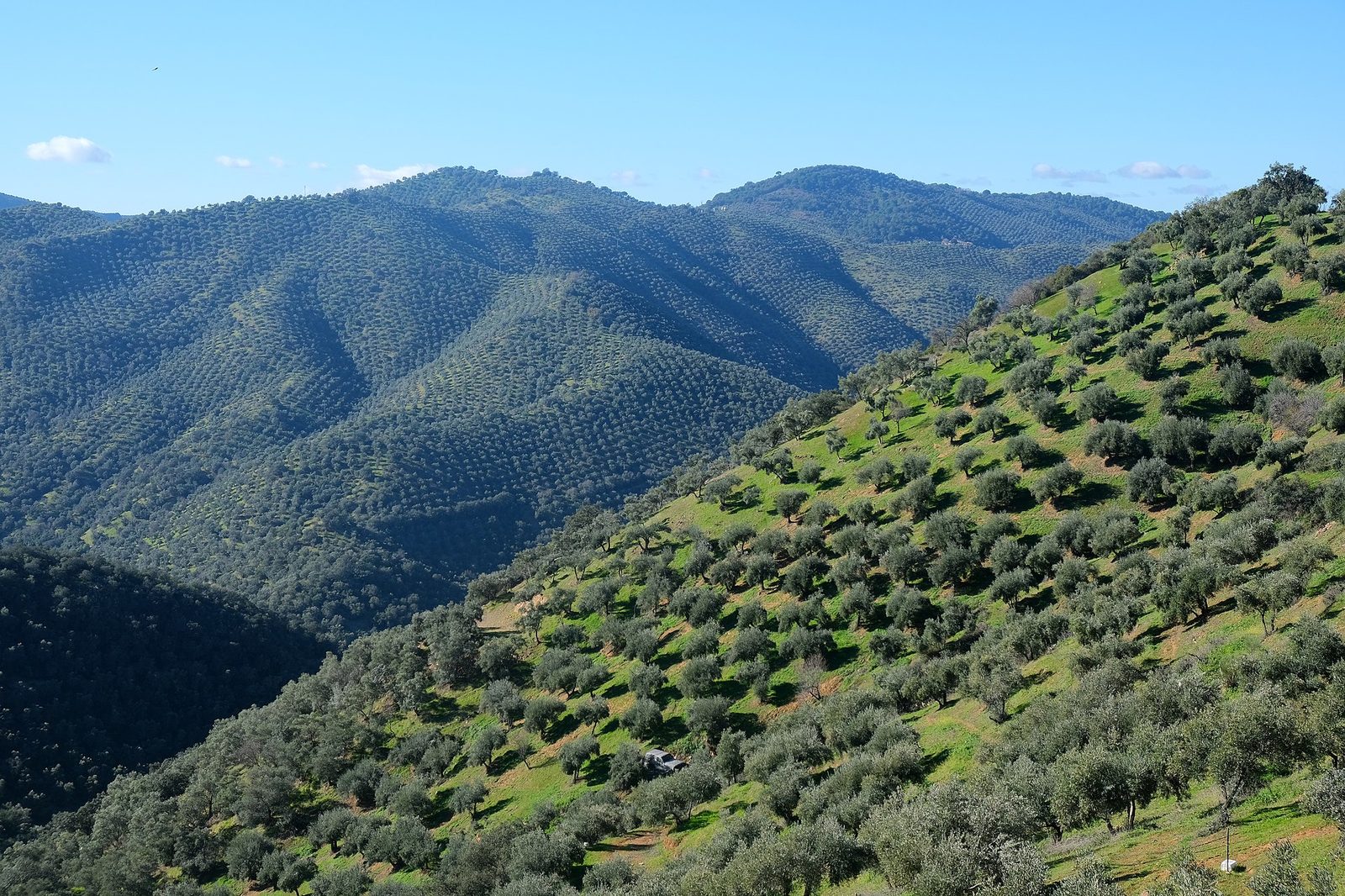
By late in 2024 the recovery was no longer a hope but a forecast. Global olive-oil production for the following crop year was projected to climb by roughly a third, after the dismal season before had slumped to its lowest in about twelve years. Spain — which alone makes close to half the world’s oil — led the bounce, and the wider Mediterranean looked healthier too. This was the supply-side turning point of the whole price crisis.
How a big harvest breaks the spiral
To see why one number mattered so much, follow the mechanism. Olive oil is a store-and-carry commodity: buyers, blenders and supermarkets hold reserves from year to year. Several short harvests in a row draw those reserves down, and thin reserves are what really drive prices to extremes — every buyer bidding for a shrinking pool. A big crop does two things at once: it meets the year’s demand and starts refilling the cushion. Once the cushion returns, the panic bidding stops, and prices ease. This rebound set up the steep falls that followed.
Why the recovery was uneven
A global average hides a lot. Recovery follows the rain, and the rain is not fair. Irrigated groves in the big producing regions bounced back fastest; rain-fed hillsides and smaller origins recovered more slowly, or not at all in a given year. So even a strong global figure can sit on top of pockets that are still struggling — one reason the headline ‘crisis over’ rarely matches what an individual grower is living through.
Don’t mistake a good year for a fixed problem
Here is the part the cheerful headline misses. One bumper harvest is a reprieve, not a cure. The underlying squeeze — a warming, more erratic climate pressing on a crop concentrated in a handful of regions — has not gone anywhere, and the next drought will bite just as hard. The lesson of the decade isn’t ‘the crisis is over’; it’s that boom and bust has become the norm. What actually builds resilience is a wider map of producing regions, fairer and steadier prices, and honest, traceable supply.
| What a rebound fixes | What it doesn’t |
|---|---|
| Refills depleted reserves | The warming climate behind the shortages |
| Ends the immediate price panic | The crop’s concentration in a few regions |
| Restores shelf availability | The next drought already on the way |
| Buys growers a better season | The volatility that whipsaws them |
What to take from it
- A recovery year is good news but not the end of the story — the climate pressure remains.
- Rebounds are uneven; a strong global figure can hide regions still in trouble.
- Real resilience comes from a wider geographic spread of production, not one lucky season.
- As a buyer, keep favouring traceable, dated oil — it’s the choice that holds up across good years and bad.
The 2024/25 production rebound: common questions
Why did global olive-oil production rebound?
Better rainfall let the big Mediterranean producers, Spain above all, recover after several short years. Output was forecast to climb by roughly a third on the previous, very poor season.
How does a big harvest lower prices?
It meets demand and starts refilling the year-to-year reserves that had been drawn down. Fuller reserves stop the panic bidding that drives prices to extremes.
Does a rebound mean the crisis is over?
No. One good year is a reprieve. The warming climate and the crop’s concentration in a few regions remain, so the next drought can bring the shortage straight back.
Why do some growers still struggle in a good year?
Recovery follows the rain, which is uneven. Irrigated groves bounce back first; rain-fed hillsides and smaller origins can lag well behind the global average.
What builds real resilience?
A wider map of producing regions, fairer and steadier prices, and honest, traceable supply — not a single fortunate harvest.
One bumper harvest is a reprieve, not a cure. The underlying squeeze — a warming climate pressing on a crop concentrated in a handful of regions — is still there, and the next drought will bite just as hard. The real lesson of the decade isn’t ‘the crisis is over’; it’s that boom and bust is now the norm, and resilience — more producing regions, fairer prices, honest supply — is what actually matters. Enjoy the cheaper oil, but don’t mistake it for a solved problem.
Drawn from International Olive Council production forecasts and trade reporting on the 2024/25 crop year.