The Tide Turns: A Big Harvest Forecast
After two punishing years, the first real relief arrived not on the shelf but in a forecast: a big Spanish crop on the way. Prices began to fall months before a single new olive was pressed. Forecasts, not harvests, move this market.
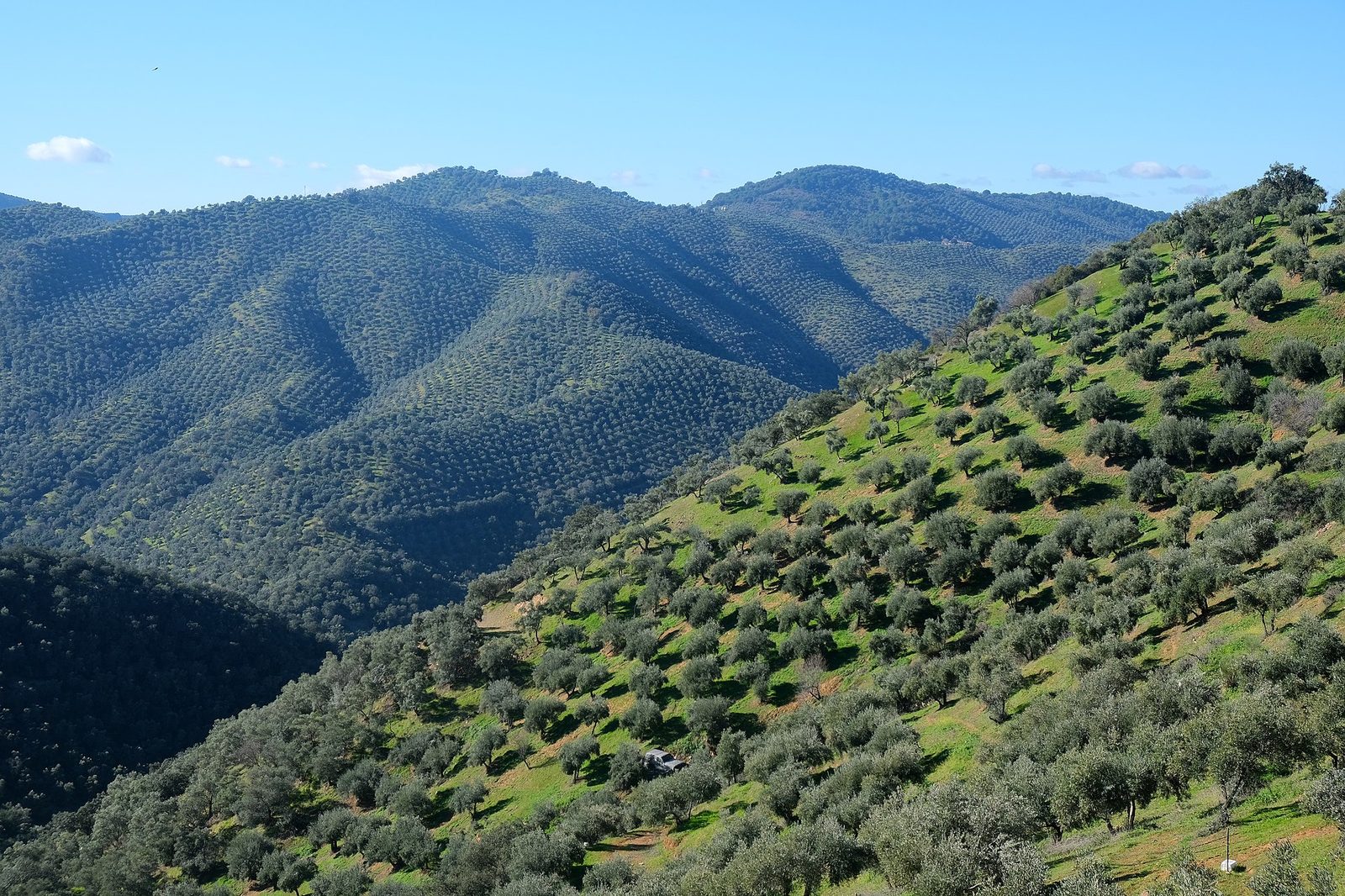
The turning point of a price crisis rarely looks dramatic. There is no single day the shortage ends. Instead, after two brutal harvests, better rains fell on Spain, forecasters raised their expectations for the coming crop, and the market — which had been climbing for years — started to exhale. Nothing had actually been harvested yet. The mere prospect of plenty was enough to turn the long price rise downward. That is the hinge worth understanding, because it explains far more than one season.
Why a forecast moves the market
Olive oil is bought and sold long before it is made. Millers, bottlers, big buyers and speculators all need to plan, and they plan on expectations. When credible forecasters signal that the dominant producer — Spain, which alone can swing the world balance — is heading for a large crop, buyers stop panic-buying and sellers stop holding out for more. Prices soften on the news, not on the oil. By the time the fruit is actually pressed months later, much of the move has already happened. The market trades the future, and the future is a forecast.
Why Spain sets the tone
No other country carries the same weight. Spain, and Andalusia above all, produces such a large share of the world’s olive oil that its weather is effectively the market’s weather. A wet, kind spring across the Spanish groves eases the whole planet’s prices; a drought there tightens them. That is why a single national forecast can move a global commodity, and why anyone trying to read where oil is heading watches Andalusian rainfall the way a sailor watches the sky.
Relief for shoppers, worry for farmers
A falling price is wonderful at the till and dangerous on the farm. The very forecast that cheered consumers began the slide that would later leave growers unable to cover their costs. This is the cruel symmetry of the trade: the news that ends a shortage starts a glut, and the market lurches from one extreme to the other without pausing at the fair middle. A good harvest is a blessing for the kitchen and a threat to the grower — both at once, from the same forecast. See the true cost of an olive for why that middle matters.
| Stage | What is happening | Effect on price |
|---|---|---|
| Good rains | Groves recover after drought | Sentiment turns |
| Big-crop forecast | Buyers expect plenty ahead | Prices start to fall |
| Pre-harvest | Oil not yet pressed | Much of the move is done |
| Harvest lands | The crop is confirmed | Price settles, often lower |
How to read a harvest forecast
- Treat a credible big-crop forecast as an early signal that prices will ease — it moves before the shelf does.
- Watch Spain, especially Andalusia : its rainfall is the single best clue to where world prices are heading.
- Remember forecasts can be wrong : weather at flowering and fruit-set can still spoil a promising year.
- Cheaper oil ahead is good for you but hard on growers — buy quality when it dips, and value fair, stable prices over bargains.
Harvest forecasts and prices: common questions
Why do prices fall before the harvest?
Because the market trades on expectation. When a credible forecast points to a big crop, buyers stop panic-buying and sellers stop holding out, so prices soften on the news — months before any new oil is pressed.
Why does Spain matter so much?
Spain, and Andalusia in particular, produces a very large share of the world’s olive oil. Its weather effectively sets the global balance, so a single Spanish forecast can move prices worldwide.
Can a forecast be wrong?
Yes. A promising spring can still be undone by heat or drought at flowering and fruit-set, or by pests. Forecasts move the market, but they are estimates, not guarantees.
Is a falling price good news?
For shoppers, yes. For growers it can be the start of a crash that pushes prices below their costs. The same forecast that relieves consumers often begins the slide that squeezes farmers.
What should a buyer do?
Use a dip to buy good, traceable oil and store it well. And keep in mind that stable, fair prices — not the lowest possible ones — are what keep good groves in production.
Forecasts move markets before harvests do — just the expectation of a big Spanish crop was enough to start deflating record prices, months before a single new olive was pressed. Enjoy the relief at the till, but watch what it does on the farm: the same forecast that cheers shoppers can start the slide that leaves growers unable to cover their costs. The market never seems to find the middle. It overshoots one way, then the other, and swings on a weather report from Andalusia.
Drawn from International Olive Council harvest forecasting and standard olive-oil market dynamics; forecasts reported for the 2024/25 season.