Year’s End: The Bumper Crop Confirmed
2024 ended on a note of relief unthinkable a year earlier. The harvest was big, the cellars were filling, and major bottlers were openly predicting that prices would halve from their record highs. The whole crisis turned inside a single twelve months.
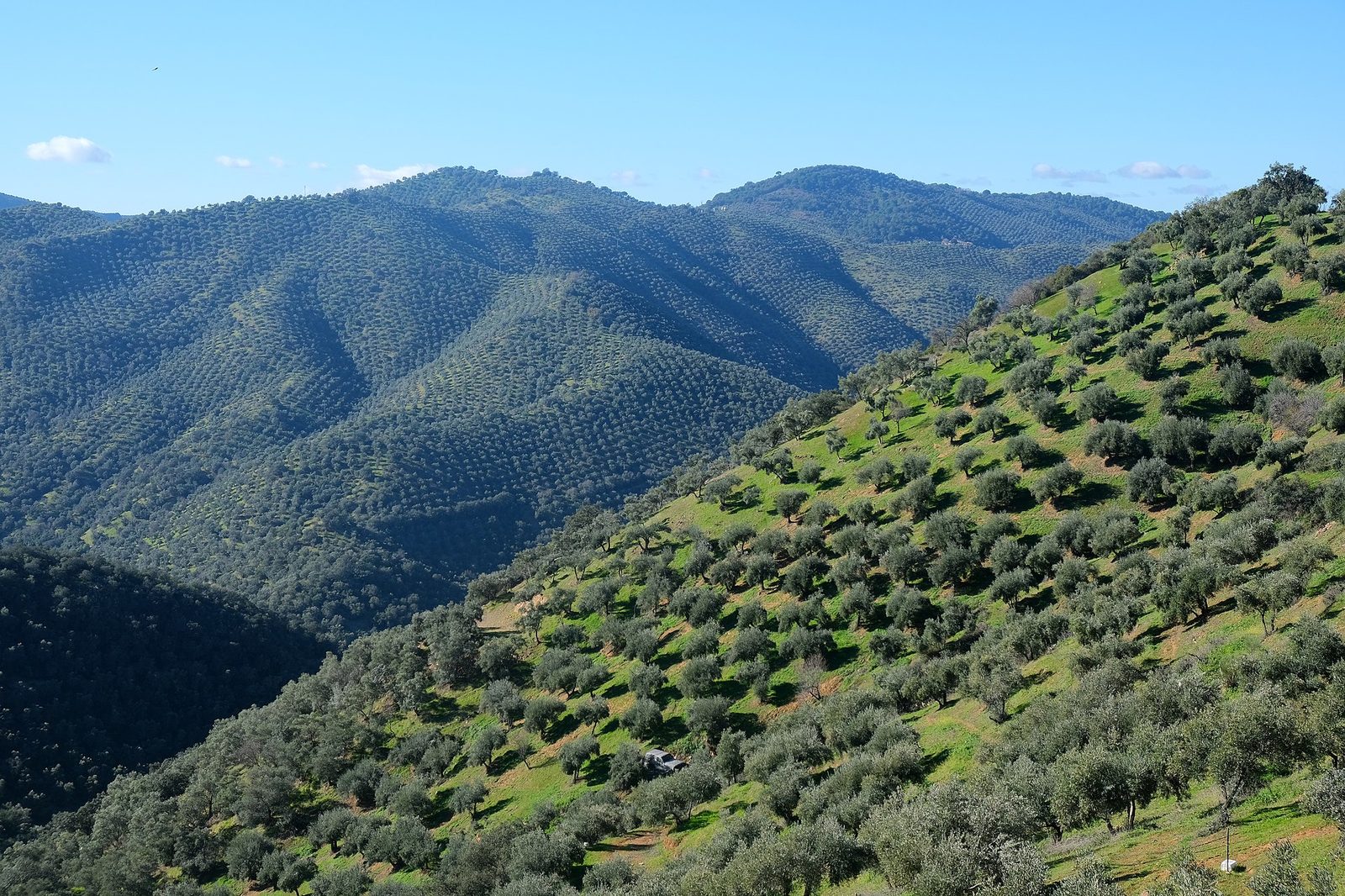
A year earlier the mood had been close to panic — a second failed harvest, empty tanks, and the most expensive olive oil in living memory. Then the weather turned. A wet winter and a mild spring across Andalusia set the trees up for a heavy fruit set, and as 2024 closed Spain was on course to produce roughly 1.4–1.5 million tonnes for 2024/25 — a bumper crop by any measure, with Greece and Tunisia also recovering. For the first time in years, the big bottlers stopped warning of shortage and started forecasting that prices would halve from their record levels.
Why one wet winter changed everything
The olive is famously drought-hardy, but the crop is decided by water at two moments: flowering in spring, and fruit-set in early summer. Two dry years in a row had starved the trees at exactly those moments, and there were no reserves to cushion the loss. A single good, wet winter reversed the picture — soil moisture restored, flowering strong, fruit setting heavily. Because Spain alone makes close to half the world’s olive oil, its harvest is the hinge the entire global price swings on. Fix Spain’s water and you fix the world’s price, more or less overnight.
The whole crisis in twelve months
What makes 2024 remarkable is that it contained the entire turn. The year opened at the most expensive moment in olive-oil history and closed with a bumper harvest and forecasts of prices halving. Peak and rebound, scarcity and glut, all inside one calendar. That is unusually fast for an agricultural commodity, and it happened because the shortage had been so extreme: prices had climbed so high on genuine scarcity that the first big crop was always going to bring them crashing back down.
The reprieve, and the warning
A bumper crop is a real reprieve — cheaper, more honest oil, and less incentive for fraudsters to fill the gap with fakes. Enjoy it. But do not mistake one good year for a solved problem. The underlying squeeze — a warming, drying climate bearing down on a crop concentrated in a handful of Mediterranean provinces — is unchanged. And the cheaper oil had its own sting waiting: the price crash that followed would push growers below the cost of production. The pendulum that swung from scarcity to plenty did not stop; it just handed the pain from shopper to farmer.
| What happened | Spain on course for ~1.4–1.5M t in 2024/25; Greece and Tunisia recovering |
|---|---|
| The forecast | Major bottlers predicting prices would halve from record highs |
| The cause | A wet winter and mild spring after two drought-hit years |
| Why it matters | Spain makes close to half the world’s oil, so its crop sets the global price |
| The turn | January peak to year-end bumper crop — the whole cycle in one year |
| The catch | The underlying climate squeeze on the crop was unchanged |
What a buyer should take from it
- A good crop year is the time to buy quality — real extra virgin is cheaper and more plentiful.
- One harvest is weather, not a trend. The climate pressure on the crop hasn’t gone away.
- Cheaper oil means less fraud incentive, but check origin and harvest date anyway.
- Remember the grower. The price fall that helps you can push a farmer below cost — a fair price protects future supply.
The 2024 bumper crop: common questions
How big was the 2024/25 Spanish crop?
Spain was on course for roughly 1.4–1.5 million tonnes — a bumper harvest after two drought-hit years, with Greece and Tunisia also recovering.
Why did prices fall so fast?
The shortage had pushed prices to record highs on genuine scarcity, so the first big crop brought them crashing back — bottlers forecast prices would roughly halve.
What caused the recovery?
A wet winter and mild spring restored soil moisture at flowering and fruit-set, exactly when the crop is decided, reversing two years of drought damage.
Does one good year mean the crisis is over?
Not really. The underlying climate squeeze on a concentrated Mediterranean crop is unchanged, and cheaper oil then pushed growers below the cost of production.
Is cheaper oil safer from fraud?
Somewhat — a glut removes some incentive to fake extra virgin — but you should still buy traceable oil with a real harvest date.
A bumper crop is a genuine reprieve, and after two brutal years it was well earned — cheaper, more honest oil, less room for fakes. But a good harvest is weather, not a cure. The thing that caused the crisis, a warming climate leaning on a crop packed into a few Mediterranean provinces, was exactly as true at year-end as it had been at the peak. Enjoy the cheaper oil with a clear head: 2024 didn’t solve the problem, it just changed which end of the market was bleeding.
Drawn from late-2024 harvest estimates for the 2024/25 season and bottler price forecasts widely reported at year-end.