An Early Warning: Spain Sells Down Fast as the Bloom Falters
Cheap oil never lasts as long as it feels like it will. Spain empties its warehouses faster than anyone expects, and the real signal for next year’s price is not the harvest at all — it is the flowering in spring, months before a single olive is picked.
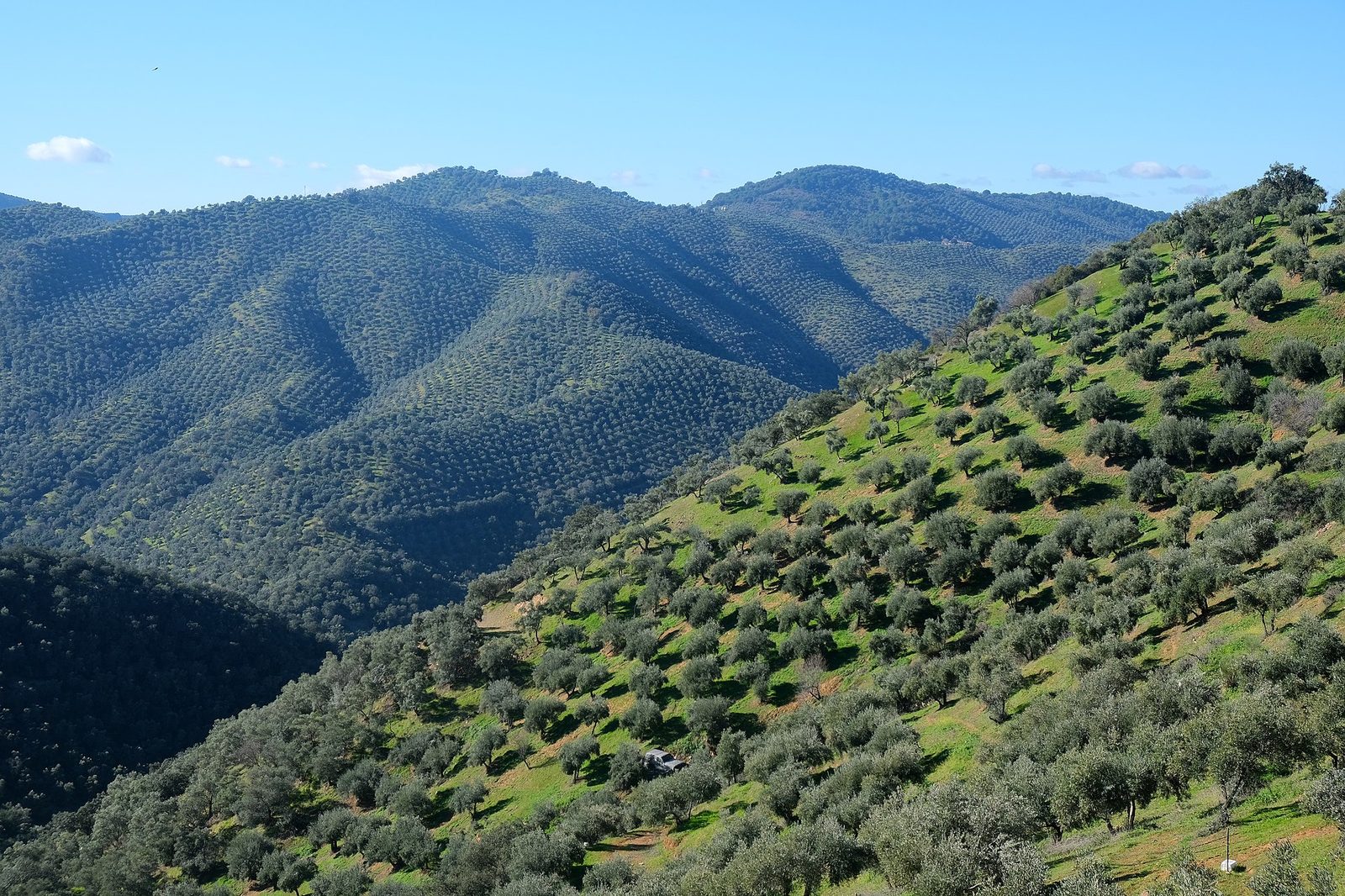
Every so often the olive-oil world enjoys a stretch of cheap, plentiful oil, and everyone relaxes as if the market had finally settled down. It never has. The olive is an alternate-bearing tree grown, for oil, in a handful of concentrated places — Spain alone presses close to half the world’s supply in a good year — so a single Spanish spring can move the global price more than anything that happens on a supermarket shelf. Understanding that is the difference between being surprised by a price spike and seeing it coming.
Why the spring bloom, not the harvest, sets the price
By the time the autumn harvest arrives, the size of the crop is already decided. The real dice are thrown months earlier, when the trees flower in late spring. If the flowering is weak — because of heat, drought at the wrong moment, or the natural rest an olive takes after a heavy year — the fruit set fails, and no amount of good weather afterwards can conjure back the olives that never formed. This is why seasoned buyers watch Andalusian weather in April and May far more closely than they watch the presses in November. Rain and mild temperatures at flowering are the single best early signal of cheaper oil to come; a scorching, dry bloom is the warning of a short crop and firmer prices ahead.
The warehouse trick: sold before you see it
The second thing the headlines miss is how quickly a glut clears. When oil is cheap, buyers and bottlers move fast, and Spain can sell the great majority of a season’s production within the first seven or eight months — long before the next harvest is safely in. So the comfortable feeling of abundance can be an illusion: the warehouses may already be nearly empty even while the shelves still look full and the price still looks low. The cushion thins quietly, in the background, and by the time it shows up as a rising price it is already too late to do anything but pay.
Boom and bust, decade after decade
None of this is new. A glut empties the stores faster than expected; a weak bloom the following spring flashes a warning; and the cheap-oil window can close as abruptly as it opened. It is the same boom-and-bust rhythm the trade has lived with for as long as anyone can remember, only sharpened now by a warming, more erratic Mediterranean climate pressing on a crop grown in too few places. The honest lesson does not change: enjoy affordable, real extra virgin while it is here, but do not mistake one cheap year for a settled market. What is worth wanting is a fair, steady price that keeps growers alive — and the weather has never agreed to provide one.
| The deciding moment | Spring flowering & fruit set (late Apr–Jun) |
|---|---|
| Best early signal | Timely rain, mild temperatures at flowering |
| Warning signal | Heat or drought during the bloom |
| How fast a glut clears | Most of a season can sell in ~7–8 months |
| The swing supplier | Spain — near half of world output in a good year |
| The standing pattern | Boom and bust, sharpened by climate |
What a buyer should take from all this
- Watch the spring weather in Spain, not the autumn harvest, if you want to guess where prices are heading.
- Treat a cheap year as a chance to learn good oil — taste widely, find producers you trust — not as proof the market has calmed down.
- Buy on harvest date and origin, always; freshness and traceability matter more than a low price.
- Do not try to hoard — oil is perishable, and stale oil helps no one. Knowledge keeps better than oil.
Reading the olive oil price: common questions
Why does the spring bloom matter more than the harvest?
Because the size of the crop is largely decided at flowering and fruit set in late spring. By harvest time the olives that will grow are already set — good autumn weather cannot replace a bloom that failed months earlier.
Why does Spain move the whole world’s price?
Spain presses close to half of the world’s olive oil in a strong year, so a weak Spanish season leaves a gap no other country can fill — and prices everywhere rise.
How can oil be cheap and scarce at the same time?
A glut can sell down within seven or eight months while shelves still look full. The warehouses empty quietly in the background, so the price only rises once the shortage becomes visible.
What is the single best early signal of cheaper oil?
Timely rain and mild temperatures during the spring flowering in the main growing regions. A hot, dry bloom is the opposite signal — a warning of a short crop.
Should I stock up when oil is cheap?
Only modestly. Olive oil is perishable and stale oil is worthless, so a cheap year is better spent learning to buy well than filling a cupboard.
This is exactly the moment to remember how fast this market turns. A cheap year feels permanent while you are living in it, but the warehouses empty faster than the shelves suggest, and a weak spring bloom is the trees whispering a warning about next year. None of it is a crisis on the day. But the cushion is always thinning somewhere. Enjoy the affordable real extra virgin now, buy on harvest date and origin, and never mistake one cheap year for a settled market — the thing worth wanting is a fair, steady price, and the weather has never agreed to provide one.
Drawn from International Olive Council production figures and Spanish producer-association reporting on sales and flowering conditions.