The 2025/26 Harvest: Back to Plenty?
For two seasons the fear was scarcity: empty shelves, record prices, oil worth stealing. Then the rain came back, the trees answered, and the worry flipped entirely — not too little oil, but too much, and what a glut does to the people who grow it.
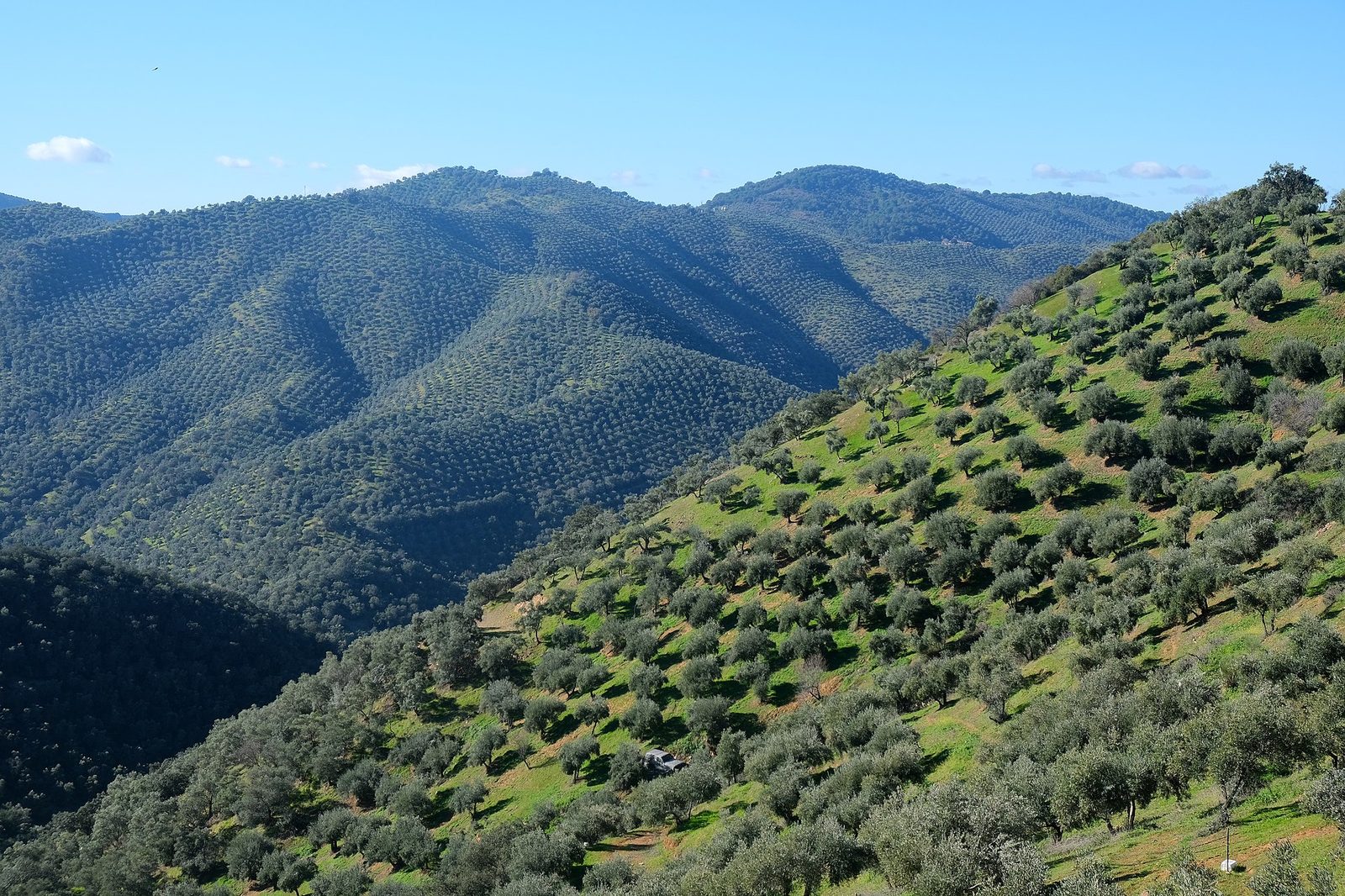
By the approach of the 2025/26 crop year the mood in the olive trade had reversed completely. After the drought-driven shortages that pushed oil to record highs, a wetter run of weather let the Mediterranean’s big producers recover — Spain above all, which makes close to half the world’s olive oil. Forecasters talked of Spanish output climbing back toward the region of 1.2 to 1.3 million tonnes, a sharp rebound on the miserable years before. On paper, the crisis was ending. In the groves, a new one was quietly beginning.
From famine to feast in two seasons
This is the pattern worth understanding, because it keeps repeating. A short crop lifts prices; high prices pull in every hectare of production the world can muster; a good year then lands on a market braced for shortage, and the price falls faster than it rose. The olive tree makes this worse: it is alternate-bearing, naturally swinging between a heavy year and a light one, so even without drought the crop lurches. Add a warming, more erratic climate on top and you get exactly what the last decade delivered — not a steady market that drifts, but one that careens.
Cheap oil is not automatically good news
For a shopper, falling prices feel like pure relief, and after the shock of 2023–24 that is understandable. But look one step down the chain. A traditional grower on a Spanish, Greek or Italian hillside has costs that do not fall with the market — labour, fuel, water, the years of care a grove demands. When the farmgate price drops below what it costs to pick and press the fruit, the rational move is to not harvest, or to pull the trees for something more profitable. A glut that bankrupts growers is how you sow the next shortage.
Who actually wins from the swings
Neither extreme serves the people who make real oil. When prices spike, shoppers get fleeced and fakes flood in; when prices crash, the honest, small-scale groves that press genuine extra virgin are the first to go under, leaving the field to the largest, most industrial operators. The consistent winners of volatility are the speculators who trade the swing and the fraudsters who exploit it. The losers, at both ends, are the growers and — eventually — anyone who wants honest oil to still exist.
| Market state | Shopper sees | Grower feels | Hidden risk |
|---|---|---|---|
| Shortage / spike | High prices, thin shelves | Good farmgate price — if there’s a crop to sell | Fraud and adulteration climb |
| Glut / crash | Cheap, plentiful oil | Selling below cost of production | Groves abandoned; next shortage seeded |
| Fair, steady price | A little more than the cheapest bottle | A living wage for real work | The thing actually worth wanting |
What a buyer should take from it
- Don’t chase the very cheapest bottle in a glut year — rock-bottom prices are paid for somewhere, usually by the grower.
- A fair, steady price is the goal, not the lowest possible one; it’s what keeps honest oil being made.
- Buy traceable, single-origin oil with a harvest date, in good years and bad — it rewards the growers you want to survive.
- Read a price crash as a warning, not just a bargain: violent swings are the disease, cheap oil is only a symptom.
The 2025/26 harvest: common questions
Why did olive oil prices fall after years of rising?
Rain returned to the drought-hit Mediterranean, especially Spain, and a big rebound in the harvest refilled reserves. More supply meeting a market braced for shortage pushed prices down sharply.
If oil is cheaper, why is that a problem?
Prices can fall below what it costs a grower to farm, pick and press the fruit. Cheap oil that bankrupts small producers tends to seed the next shortage.
What is alternate bearing?
Olive trees naturally swing between a heavy-cropping year and a light one, which adds a built-in wobble to supply on top of any weather effects.
Who benefits from big price swings?
Mostly speculators and fraudsters. Honest small growers and shoppers who want real oil lose out at both the spike and the crash.
What should I actually buy?
Traceable, single-origin oil with a harvest date at a fair — not rock-bottom — price. It’s the choice that keeps genuine extra virgin being made.
Stand back from the whole decade and the moral is simple: wild price swings are bad for everyone except the speculators and the fraudsters. Too dear, and shoppers get fleeced and fakes flood in; too cheap, and the groves that make real oil go broke and vanish. The thing worth wanting — and worth paying a fair, steady price for — is honest oil made by people who can afford to keep making it. Don’t cheer a crash any more than you’d cheer a spike.
Drawn from International Olive Council production forecasts and trade reporting on the 2025/26 season.