Record Output, Record Exports — and Growers in the Red
A record harvest, record exports, and growers deep in the red: the 2025 Spanish season is the clearest lesson in olive oil economics you will ever get. A bumper crop is not the same thing as a good year for the farmer.
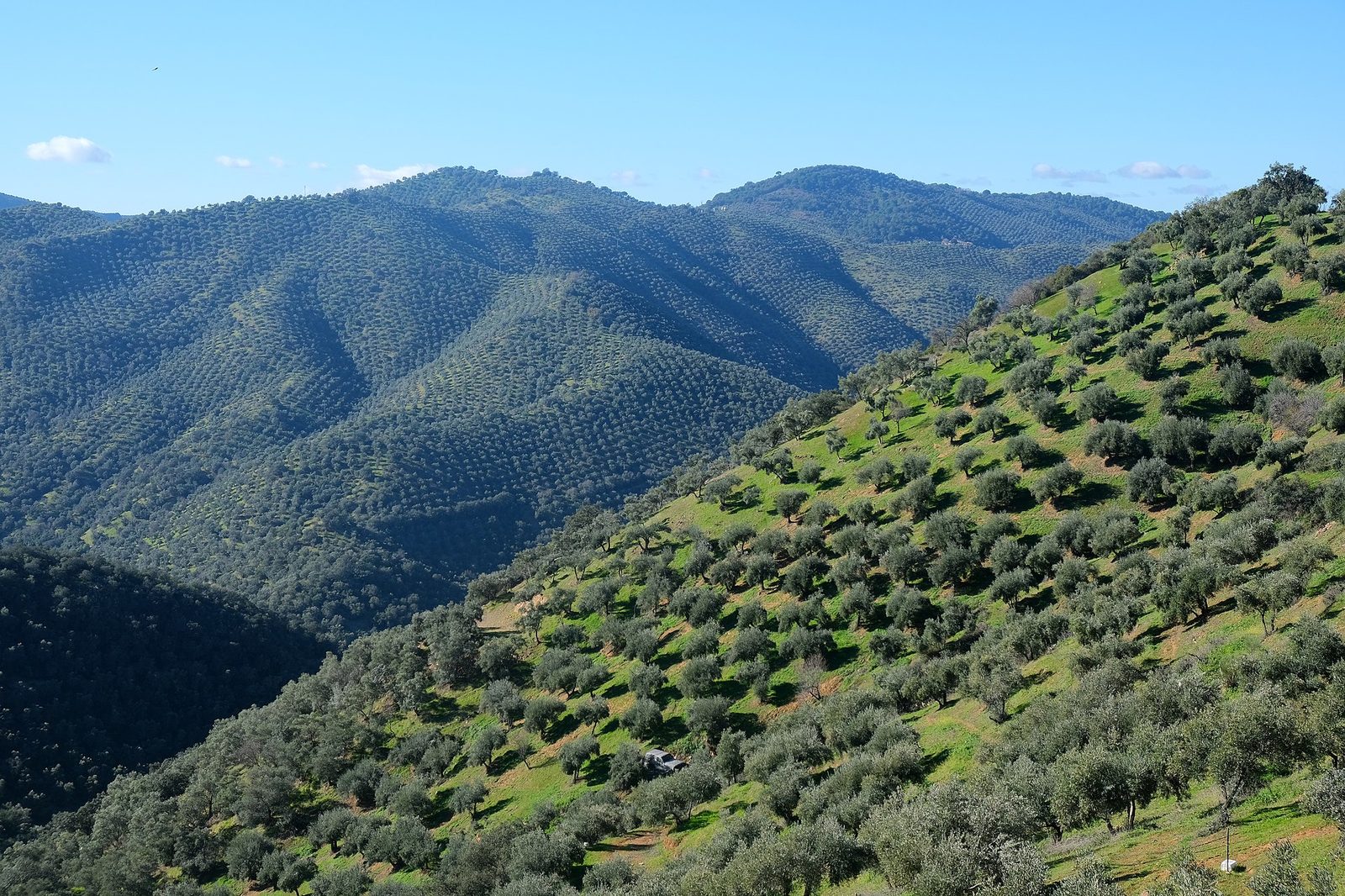
By late 2025 Spain was producing and shipping olive oil at record levels — and its growers were losing money hand over fist. Wholesale extra virgin had slid from nearly €9,000 a tonne in early 2024 to around €4,180 by that autumn, and farmers were selling below the cost of production for a third straight year. Output topped 1.4 million tonnes and exports rose sharply, yet the sector counted losses in the region of €1.9 billion, the bulk of it in Andalusia. That paradox — more oil, more sales, less money — is worth slowing down to understand, because it explains most of what goes wrong in this trade.
Why a big crop can wreck the price
Olive oil is what economists call price-inelastic: people buy roughly the same amount whether it is cheap or dear, at least in the short run. So when supply swings hard — and olive supply swings very hard, because the tree is a moody, alternate-bearing plant and the weather does the rest — the price has to move a long way to clear the extra oil. A crop 40 or 50 per cent larger than the year before does not sell for a little less; it can sell for half. The grower who prayed for rain and got a wonderful harvest then watches that harvest crush the very price it depends on.
The cost floor does not move
Here is the cruelty of it. The farmer’s costs — fuel, water, labour, pruning, the mill’s cut — barely fall when the price collapses. Water in particular has become brutally expensive in a drying Spain. So a farm-gate price that looked survivable at €7 a kilo becomes a slow bleed at €3.50, even in a year of plenty. Andalusia, and Jaén above all, feels it worst because that one province carries a huge share of Spain’s trees; when the price falls below cost there, it falls below cost for a good slice of the world’s supply at once.
Why cheap oil is a warning, not a win
It is tempting to cheer a low shelf price. Don’t cheer too hard. Ruinously low farm-gate prices are exactly how groves get neglected, then abandoned, then grubbed up — which quietly sows the next shortage and the next painful spike. The healthiest outcome was never the cheapest possible oil; it is a fair, stable price that keeps honest growers in business between the extremes. Boom and bust serves nobody: not the farmer who goes broke in the glut, and not the shopper who pays through the nose in the shortage that follows.
| What the headline said | What it meant for the grower |
|---|---|
| Record output (1.4 Mt+) | More oil to sell into a market that barely drinks more |
| Record exports (up sharply) | Volume up, but at give-away unit prices |
| Wholesale EVOO ~€4,180/t | Below the cost of producing it, for many |
| Third straight loss-making year | Reserves gone; some farms stop reinvesting |
| ~€1.9bn sector loss | The bill for a ‘good’ harvest |
What a buyer should take from it
- A crashing shelf price is not a free lunch — it usually means someone up the chain is going broke.
- Pay a fair price for oil with a real, named origin; it is what keeps the groves alive.
- Suspiciously cheap ‘extra virgin’ in a glut is still worth doubting — read how oil gets cut.
- Follow the farm-gate price, not just the supermarket one; they can move in opposite directions.
- The goal to root for is stability, not the lowest number on the shelf.
Record crop, growers in the red: common questions
How can a record harvest lose money for farmers?
Olive oil demand barely rises when the price falls, so a much bigger crop can only be sold by dropping the price steeply — often below what it costs to produce. Costs like fuel, water and labour do not fall to match.
Why was Andalusia hit hardest?
Andalusia, and especially Jaén, carries a very large share of Spain’s olive trees. When the farm-gate price falls below cost there, it does so across a big chunk of world supply, concentrating the losses.
Isn’t cheap olive oil good news for shoppers?
In the short term, yes. But prices that fall below production cost push growers to neglect or abandon groves, which sets up the next shortage and price spike. Stability serves buyers better than a brief bargain.
What is a fair farm-gate price?
One that covers production plus a modest margin, so growers can keep reinvesting. It sits between the ruinous lows of a glut and the punishing highs of a shortage — the range this site keeps arguing for.
Will low prices last?
Rarely for long. The olive is an alternate-bearing tree in a warming climate, so supply swings hard from year to year. Today’s glut is often the seed of tomorrow’s scarcity.
The oldest trap in this trade is thinking a big harvest is automatically good news. It isn’t. I have watched growers bring in a wonderful crop and end the season poorer than the year the trees gave almost nothing, because the glut gutted the price while their costs stood still. When you see olive oil suddenly cheap, don’t assume the world got more generous — assume a farmer somewhere is selling below what it cost him to make. Pay a fair price for traceable oil. It is the only thing that keeps the good groves standing for the lean years to come.
Drawn from Spanish and Andalusian production and price reporting for the 2025 season, and standard olive-oil market economics.