Can Olives Grow in Salt Water? The Truth About a Tough Tree
Every few years a story goes round that olives can be grown with salt water. Like most such stories it is half true — and the true half tells you something genuine about why this tree has fed dry, poor lands for thousands of years.
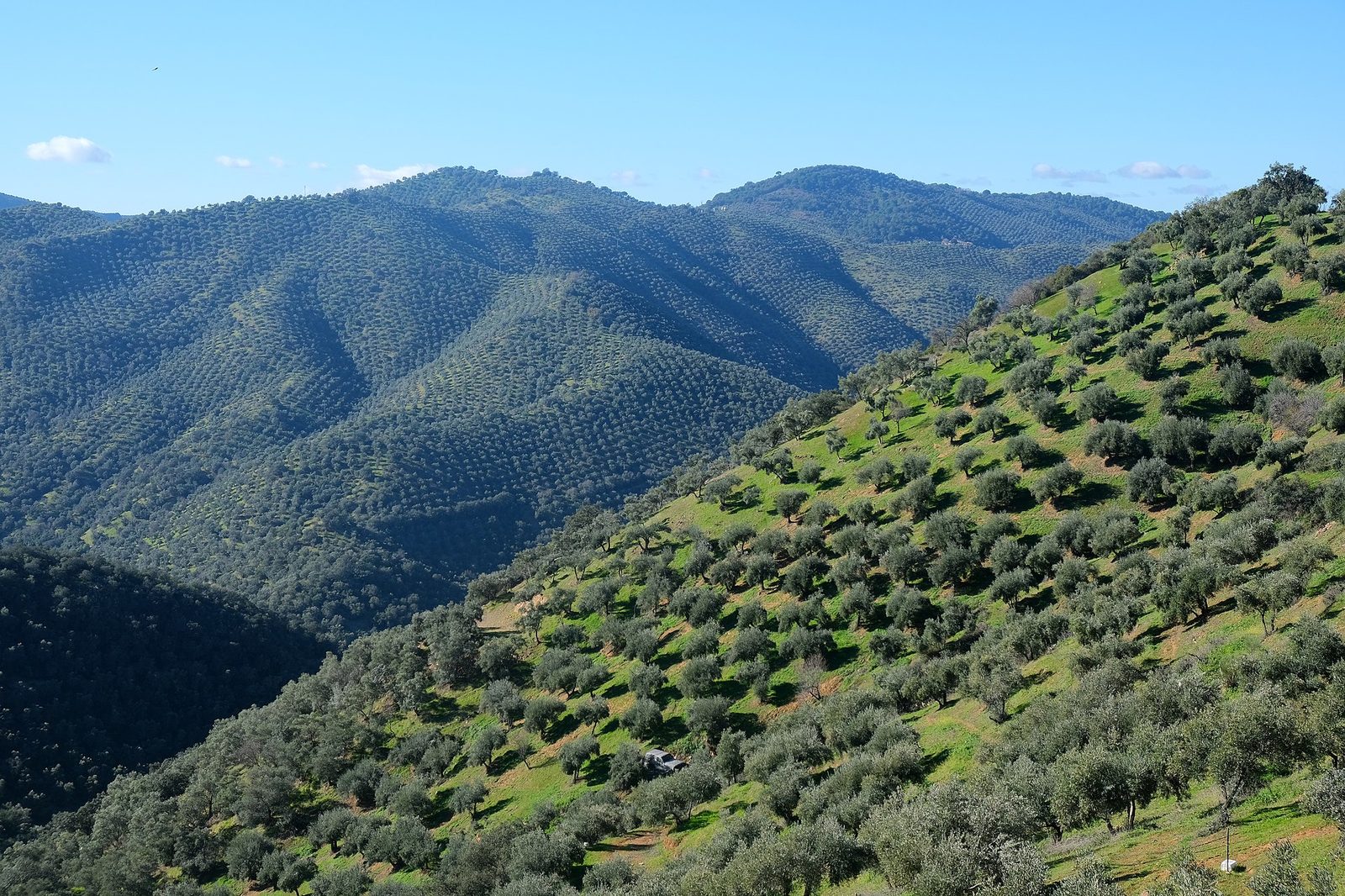
The claim resurfaces on a loop: a breakthrough, olives irrigated with the sea, farming the desert with salt water. It is a good story because it is nearly true, and the nearly is where the interesting biology lives. The olive really is one of the most salt- and drought-hardy fruit trees on earth — which is why it clothes rocky hillsides and arid plains where almost nothing else fruits. But ‘unusually tolerant’ and ‘grows in the sea’ are two very different things, and the gap between them is worth understanding.
A genuinely tough tree
The olive is remarkably tolerant of drought, poor soil and salt, far more than most fruit trees. Its small, leathery, silver-backed leaves are built to limit water loss: the silver underside reflects heat and the tight structure slows evaporation, so the tree can survive on rainfall that would kill an orchard of apples. Its wide, opportunistic root system scavenges water and nutrients from thin, stony ground. This is not a delicate Mediterranean ornament; it is a survivor, engineered by millennia of dry summers to endure exactly the conditions that defeat softer crops.
Where the ‘salt water’ claim breaks down
Tolerant is not invincible. Olives handle mildly brackish water and salty coastal air better than most crops, and researchers do trial salt-tolerant rootstocks to push that tolerance further for marginal land. But irrigate a tree with full-strength seawater and it suffers and dies like anything else. Salt does not simply pass through; it accumulates in the soil, drawing water back out of the roots and poisoning them over time. The honest version of the headline is ‘unusually salt-tolerant’, not ‘grows in the sea’ — a difference of degree that is really a difference of kind.
| Drought | Very tolerant — survives on little rainfall |
|---|---|
| Poor soil | Thrives on thin, stony, rocky ground |
| Mild salinity | Tolerated better than most fruit trees |
| Brackish water | Manageable within limits; rootstocks trialled |
| Full seawater | Not survivable — salt builds up and kills |
| The takeaway | ‘Unusually salt-tolerant’, not ‘grows in the sea’ |
Why this matters now
This toughness is quietly becoming the olive’s headline feature. As a warming climate dries and salts farmland, a tree that fruits on little water and tolerates poor, saline soil looks less like a quaint Mediterranean relic and more like a serious crop for a hotter world. It is part of why olives are now grown across California, Australia, South America, the Middle East and southern Africa, not just around one sea. The realistic promise is not seawater irrigation; it is a hardy tree that keeps producing where thirstier crops fail — which, in the decades ahead, may matter more.
What to take from the salt-water story
- The olive is genuinely drought- and salt-hardy — that part of the story is true.
- It tolerates brackish water and coastal salt, not full-strength seawater.
- Salt in soil accumulates and poisons roots over time; tolerance has a ceiling.
- Its real value in a warming world is reliable fruit on marginal land, not farming the sea.
This is general information, not medical advice.
Olives and salt water: common questions
Can olives really grow in salt water?
Not in full-strength seawater — that kills them. They are unusually tolerant of mildly brackish water and salty air, but salt accumulates in soil and eventually poisons the roots.
Why is the olive so drought-tolerant?
Its small, leathery, silver-backed leaves limit water loss and its wide root system scavenges scarce moisture, so it survives on rainfall that would kill many fruit trees.
Is any research into salt-tolerant olives real?
Yes — breeders trial salt-tolerant rootstocks to push the tree’s tolerance further for marginal, saline land, but this refines a real limit rather than removing it.
Where can olives grow because they are so tough?
On rocky Mediterranean hillsides and arid plains, and now across California, Australia, South America, the Middle East and southern Africa.
Does salt-tolerance make olives a climate crop?
Increasingly so. A tree that fruits on little water and poor, saline soil is well suited to farmland that a hotter, drier climate is degrading.
The salt-water headline comes round like clockwork, and it always overstates the case — but do not let that make you underrate the tree. What is true is genuinely impressive: the olive fruits where apples, citrus and most crops would simply die, on thin soil, brackish water and rain you could measure in a cup. That, not any seawater miracle, is why it is spreading to dry corners of every continent. Read the next ‘olives from the sea’ story with a raised eyebrow, but respect what sits underneath it — one of the hardiest food trees we have.
Drawn from horticultural descriptions of the olive’s drought and salinity tolerance and research on salt-tolerant rootstocks; general information only.