The Lowest Olive Harvest in 12 Years
The olive is famous for thriving on heat and drought — which is exactly what makes a global shortfall so alarming. When the whole Mediterranean bakes at once, even this tough tree gives up its fruit, and there is nowhere left for the world’s oil to come from.
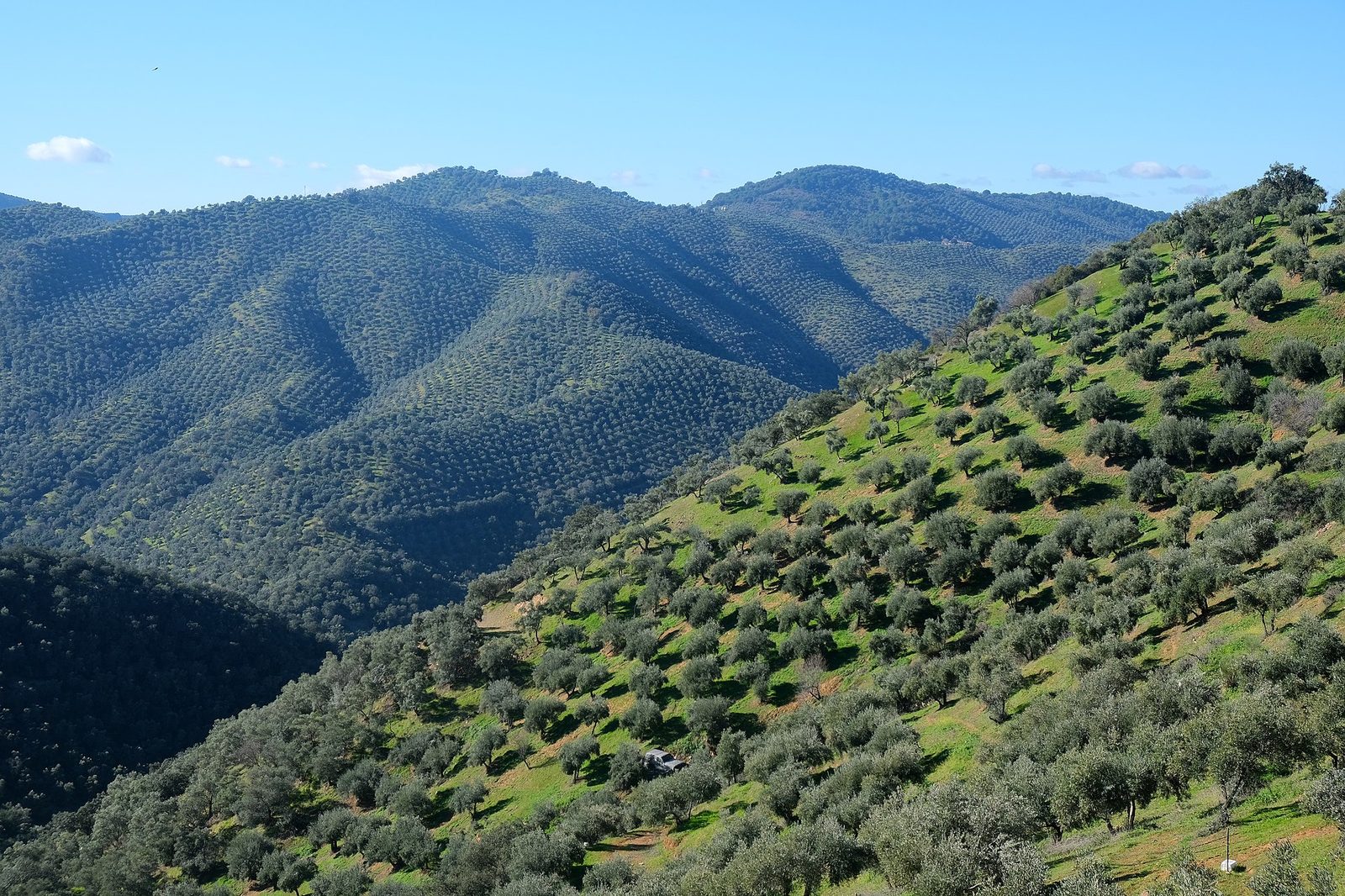
Every so often world olive-oil production falls to its lowest in more than a decade, and the reason is nearly always the same: extreme heat across the growing regions at the same time. It is a supply story laid bare — and a frightening one, because the olive is meant to be the crop that laughs at drought. When production drops to a multi-year low, it is a sign the heat has finally exceeded even what this famously tough tree can take.
A hardy tree, but not invincible
The olive earned its reputation honestly. It survives on thin, stony soil, endures long dry summers, and needs little water compared with almost any other tree crop. But hardiness is not immortality. A severe heatwave at flowering scorches the blossom before fruit can set; drought at the wrong moment shrivels what fruit there is; and a run of both, year after year, wears down even old, deep-rooted trees. The crop that thrives on heat and drought is now, in places, meeting heat and drought beyond what it can bear.
Why ‘global’ is the frightening word
A bad year in one country is manageable — the world’s oil can come from somewhere else. What makes a record-low harvest so serious is that the heat now hits everywhere at once: Spain, the swing supplier, but also Turkey and Morocco, the very countries the trade had been counting on as rising producers. When two short Spanish harvests have already drained reserves and then a hot, dry run flattens the wider growing world, there is simply nowhere for the missing oil to come from. That is when a regional squeeze becomes a global one, and prices go everywhere at once.
The map is being redrawn
One bad year is weather; a decade of them is the climate redrawing the olive map. This is precisely why the crop keeps spreading to cooler, newer ground — higher altitudes, more northern latitudes, and countries that never grew olives commercially before. It is also why a fair price for honest oil matters more each year: the groves and the growers that ride out these shocks need to be paid enough to stay. The arithmetic of what that really costs is in the true cost of an olive.
| The olive’s strength | Survives heat, drought, thin soil |
|---|---|
| Its weak point | Extreme heat at flowering; repeated drought |
| Why a shortfall spreads | Heat hitting all key regions at once |
| Regions affected | Spain, Turkey, Morocco and beyond |
| The trade’s response | Migration to cooler, newer ground |
| What it demands | A fair price to keep groves alive |
What a record-low harvest tells you
- The olive is hardy but has a limit — extreme heat at flowering can wreck a crop outright.
- A shortfall goes global when heat strikes Spain, Turkey and Morocco together; no region can cover the gap.
- Expect the crop to keep migrating to cooler, higher and more northern ground.
- The durable answer is a fair, steady price that keeps growers in business through the shocks.
The world’s olive harvest: common questions
Isn’t the olive supposed to love heat?
It tolerates heat and drought better than almost any tree crop, but there is a limit. Extreme heat at flowering scorches the blossom, and repeated drought wears down even old trees.
Why does a bad harvest become a global problem?
Because the heat now hits the main regions at once — Spain, Turkey, Morocco — so no producer can cover another’s shortfall, and prices rise everywhere.
Why were reserves already low?
Two short Spanish harvests can drain stored oil before a wider heatwave strikes, so there is no cushion left when the next poor year arrives.
How is the industry responding?
By spreading the crop to cooler, higher and more northern ground, and by breeding and planting for a harsher climate.
What does this mean for what I pay?
Cheap, reliable Mediterranean abundance is less certain than it was. A fair price for real oil is increasingly the price of keeping the groves alive.
One bad year is weather; a decade of them is the climate redrawing the olive map. The tree that thrives on heat and drought is finally meeting heat and drought beyond what even it can take — which is exactly why the crop keeps spreading to cooler, newer ground, and why a fair price for honest oil matters more each year. When the heat hits Spain, Turkey and Morocco at once, there is nowhere for the world’s oil to come from. The arithmetic is in the true cost of an olive.
Drawn from International Olive Council production figures and contemporary harvest reporting.