From the Archive: Olives Strike Oil in Texas (2009)
In 2009 a Texan named Jim Henry was planting olives in the Hill Country while everyone told him it couldn’t be done. He was part of a quiet, stubborn movement proving the olive is no longer just a Mediterranean tree — and that spreading it to new lands is a fight worth understanding.
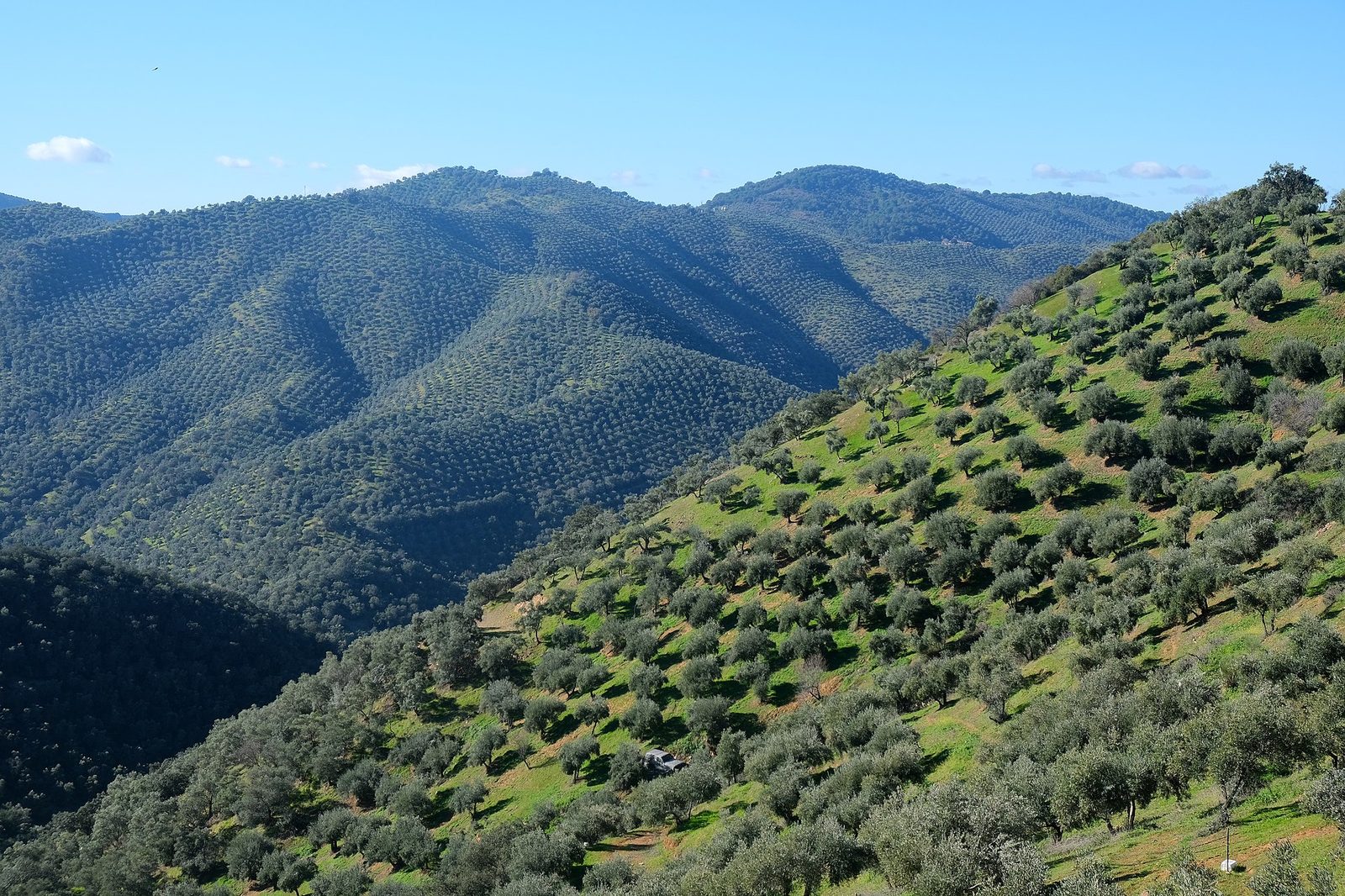
Jim Henry — who’d earlier been told that grapes couldn’t grow in Texas either — planted olive orchards around Marble Falls in the Texas Hill Country, betting the Lone Star State could grow olives. Plenty called it folly. He didn’t listen, and helped kick-start a small Texan olive-oil industry. It’s a good story on its own, but it’s really a window onto something bigger: the steady, stubborn widening of the map of where olives grow.
The olive is no longer one sea’s tree
This is one more nail in the coffin of the idea that olives belong to a single sea. They now grow across California, Texas, Arizona, Georgia and beyond in the United States alone — and on five continents worldwide, from Australia and Chile to South Africa and Argentina. The tree that fed the ancient Mediterranean has quietly become a global crop. Anywhere with hot, dry summers, mild winters and decent drainage is a candidate, and growers keep testing the edges of that envelope.
Why Texas is genuinely hard olive country
Here’s the honest footnote the early boosters sometimes glossed over. Texas is tough for olives, and the reason is one word: freeze. The olive tolerates heat and drought beautifully, but a hard winter cold snap — the kind Texas gets when Arctic air plunges south — can damage or outright kill young trees, and even set back established ones. The state’s fledgling industry has had brutal setback years because of exactly this. Pioneers like Henry weren’t wrong that olives can grow there — just that doing it reliably is a fight against the weather.
| Where | Texas Hill Country (Marble Falls area) & beyond |
|---|---|
| Reported | 2009 — early Texas olive growing |
| The pioneer’s bet | That Texas could grow olives commercially |
| The strength | Hot, dry summers suit the olive well |
| The enemy | Hard winter freezes that kill young trees |
| The wider truth | Olives now grow on five continents |
What the pioneers were really proving
The deeper point isn’t about Texas at all. It’s that the olive — ancient, symbolic, seemingly fixed to one climate — is far more adaptable than its Mediterranean image suggests, and that people keep pushing it into new ground out of curiosity, ambition and local pride. Some of those bets fail; some, like California’s, build whole industries. The map keeps widening anyway. Every stubborn grower planting where the textbooks say no is running a small experiment in just how far this remarkable tree can travel.
What it means for growers and drinkers
- Olives are a global crop now — New World oils are worth seeking out, often fresh and traceable.
- New regions live or die on climate risk: freeze in Texas, drought elsewhere.
- A young industry’s oil is often very fresh — short trip from grove to bottle.
- Pioneering regions can have volatile years; a bad freeze can wipe out a vintage.
Originally reported March 2009, on early Texas olive growing. The original article is no longer online.
Olives in Texas: common questions
Can olives really grow in Texas?
Yes — pioneers planted olive orchards in the Texas Hill Country and helped start a small industry. The hot, dry summers suit the tree; the challenge is winter freezes.
Why is Texas hard for olives?
Hard winter cold snaps. The olive handles heat and drought well but a severe freeze can damage or kill young trees, giving the young Texan industry brutal setback years.
Where else do olives grow outside the Mediterranean?
California, Texas, Arizona and Georgia in the US, plus Australia, Chile, Argentina, South Africa and more — five continents in all.
Is New World olive oil any good?
Often very good and very fresh, because the trip from grove to bottle is short and many growers sell on quality and traceability.
Did the Texas olive pioneers succeed?
They proved olives can grow there and started a small industry, but reliability remains a fight against winter freezes — some years are hit hard.
I love these frontier stories because they puncture the myth that the olive belongs to one sea and one people. It doesn’t — it’s one of the most adaptable crops on earth, and stubborn growers keep proving it in places the textbooks reject. But I’ll always add the honest half the boosters skip: can grow and reliably grow are different things, and in Texas the difference is spelled f-r-e-e-z-e. Root for the pioneers, buy their fresh young oil when you can — just don’t be surprised when a hard winter costs them a whole vintage. The map widens anyway.
Drawn from the early Texas olive-growing story and the global spread of olive cultivation.