The Silver Underside of an Olive Leaf, and What It Does
Watch an olive grove in a breeze and it shimmers silver-grey as the leaves turn. That two-tone leaf — dark above, pale beneath — is not just pretty. It is a masterpiece of water-saving engineering, and it is a big part of why the olive survives where other trees give up.
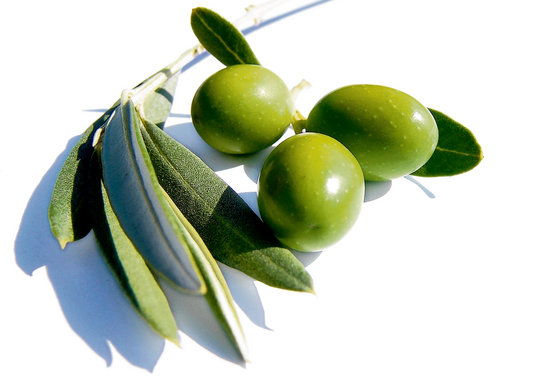
An olive leaf is dark green and waxy on top — built to catch sunlight and shed water — and silvery-white underneath, where it is covered in a dense felt of tiny, shield-shaped hairs called trichomes. Those hairs do several jobs at once: they reflect harsh sun so the leaf runs cooler, they trap a layer of humid, still air against the underside, and they shelter the pores (stomata) the tree breathes through. Every one of those effects cuts precious water loss — which is the whole point.
Two sides, two jobs
The genius is the division of labour between the two surfaces. The upper side faces the sky and takes the sun, so it is dark, waxy and tough, built to photosynthesise and to shrug off rain and glare. The lower side faces the shade and does the breathing, so it is where the stomata sit — and it is exactly there that the tree parks its defensive felt of silver hairs. The stomata open to take in carbon dioxide but lose water while they are open; the trichome layer keeps a pocket of humid air over them so that loss is minimised. Dark worker up top, silver shield below.
Built for drought and for forever
This is why olive leaves are small, thick, leathery and evergreen. Small and thick means less surface area to lose water from and a tougher structure to hold it in; evergreen means the tree never has to spend a flush of energy rebuilding its whole canopy each spring, keeping a water-thrifty, always-working set of leaves through heat and cold alike. It is the same engineering that makes the grove shimmer and that lets the olive endure on so little water, for so long. The look and the function are the same thing.
Reading the shimmer
Once you know what the silver is for, the shimmer means something. On a hot, windy day the leaves turn to show their pale undersides more, reflecting sun and cutting water loss just when the tree needs it most — the grove is, quite literally, adjusting itself before your eyes. That rippling silver is not a trick of the light so much as a tree managing its own thirst. In the olive, as so often, the beautiful thing and the useful thing turn out to be one and the same.
| Upper surface | Dark green, waxy — catches sun, sheds water |
|---|---|
| Lower surface | Silvery, felted with trichomes |
| Trichomes | Shield-shaped hairs that reflect sun, trap humidity |
| Stomata | Sit on the sheltered underside |
| Leaf form | Small, thick, leathery — low water loss |
| Habit | Evergreen — no costly annual re-leafing |
| Net effect | Minimised water loss; drought endurance |
What to remember
- The silver underside is a felt of tiny hairs called trichomes.
- They reflect sun, trap humidity and shelter the breathing pores.
- The waxy dark top catches light and sheds water; the pale base does the breathing.
- Small, thick, evergreen leaves all serve water thrift.
- The grove’s shimmer is the tree turning its leaves to cut water loss.
The olive leaf: common questions
Why is an olive leaf silver underneath?
Because the underside is covered in a dense felt of tiny hairs (trichomes) that reflect sun and trap humid air, cutting the tree’s water loss.
What are trichomes?
Tiny, shield-shaped hairs on the leaf’s lower surface. In the olive they reflect harsh sun, hold a layer of humid air, and shelter the breathing pores.
Why are olive leaves so small and thick?
To lose as little water as possible. Small, thick, leathery leaves have less surface to lose moisture from and a tough structure to hold it in.
Why does an olive grove shimmer in the wind?
Because the breeze turns the leaves to show their pale silver undersides — which also reflects sun and cuts water loss just when it is hottest.
Do olive trees lose their leaves?
Not all at once. The olive is evergreen, keeping a tough, water-thrifty canopy year-round rather than rebuilding it each spring.
Next time you see that silver ripple run across a hillside, you are watching the tree breathe and save water at the same time. On a hot, windy day the leaves deliberately turn their pale undersides to the sun, reflecting heat and cutting water loss exactly when it matters — the grove is managing its own thirst in real time. In the olive, as so often, the beautiful thing and the useful thing are the same thing.
A olives101 note on olive-leaf structure (trichomes, stomata, xeromorphic adaptation).