In Focus: The Bosana Olive
More than half the olive trees on Sardinia are one variety: Bosana. It clothes the island’s dry, windswept groves and presses into a bold, green, bitter-peppery oil that tastes of artichoke and wild thistle — a Mediterranean island’s signature in a bottle.
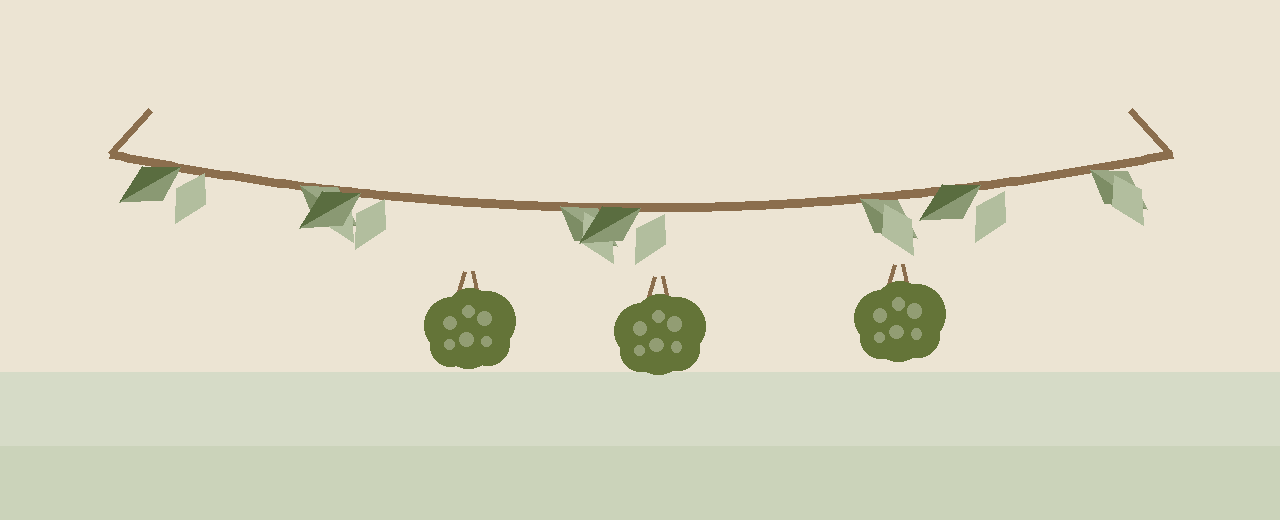
Bosana is the olive of Sardinia. It accounts for well over half of the island’s trees and dominates the north and centre — Sassari, the Nurra plain, Alghero — while turning up in the south as well. A tough, wind-hardy tree that copes with the island’s thin soils and salt-laden mistral, it is grown above all for oil, and it is the backbone of the Sardegna DOP. If you have ever tasted a properly Sardinian extra virgin, you have almost certainly tasted Bosana, whether the front label spelled it out or not.
An island olive, through and through
Sardinia sits apart from mainland Italy, and its olive culture does too. Where Tuscany reaches for Frantoio and Puglia for Coratina, Sardinia leans on this one native variety that has adapted, over centuries, to a place of drought, wind and stony ground. That isolation is part of Bosana’s appeal: it tastes of somewhere specific. Growers keep it not because it is fashionable but because it belongs — it endures the island’s hardships and repays them with an oil of real character.
In the bottle
A young Bosana is green and assertive: fresh-cut grass and, above all, cardoon and artichoke — that vegetal, faintly wild note the Sardinians prize — finishing with a firm bitterness and a peppery catch at the back of the throat. It carries a healthy load of polyphenols, which gives it both its bite and useful stability. This is not a shy, buttery oil; it is built to stand up to strong food. Pour it over grilled vegetables, pecorino, bean soups, or the island’s flatbread, and let its green intensity do the talking.
The thing the label rarely says
Here is the honest catch. A great deal of fine Sardinian Bosana never reaches you under its own name — it goes into generic ‘Italian’ blends, its structure quietly propping up softer, cheaper oils from elsewhere. There is nothing crooked about blending, but it means the bottle marked simply ‘Italy’ tells you almost nothing. To taste Bosana speaking for itself, buy a single-variety Sardinian oil, ideally Sardegna DOP, with a recent harvest date. The island’s character is worth meeting undiluted.
| Origin | Sardinia, Italy |
|---|---|
| Also called | Sardo, Palma |
| Type | Oil olive |
| Protected origin | Sardegna DOP |
| Harvest | October–December |
| Flavour | Green, bitter-peppery; artichoke & thistle |
| Best use | Raw finishing on strong food; grilled vegetables, pecorino, soups |
Buying & using Bosana
- Look for a single-variety Sardinian oil, ideally Sardegna DOP, to taste Bosana itself rather than its blending role.
- Use it where the food can take intensity — grilled vegetables, pecorino, bean and bread soups.
- Its bitter-peppery bite is a sign of freshness and polyphenols, not a fault.
- Check the harvest date; even a sturdy oil is at its best young.
Bosana olives: common questions
Is Bosana an oil or table olive?
Chiefly an oil olive. It is grown across Sardinia mainly for pressing into a bold, green extra virgin, and it is the backbone of the Sardegna DOP.
Where does Bosana come from?
Sardinia, especially the north and centre of the island around Sassari, the Nurra and Alghero. It makes up well over half of the island’s olive trees.
What does Bosana oil taste like?
Green and assertive — fresh grass, artichoke and wild thistle, with firm bitterness and a peppery finish. Bold rather than buttery.
Is Bosana oil healthy?
Like other robust, polyphenol-rich extra virgins it is a good source of those compounds, which also aid its stability; enjoy it as part of a normal diet — not medical advice.
How should I use Bosana?
Raw, as a finishing oil over strong food — grilled vegetables, pecorino, bean soups and Sardinian flatbread, where its green intensity can carry.
Sardinia is an island apart, and Bosana tastes like it — vegetal, wild-thistle green with a genuine peppery bite. That is the point, not a flaw: reach for it when the food can take intensity, not for delicate dishes. But know the trade reality — much of the island’s best Bosana leaves in bulk for anonymous ‘Italian’ blends. A single-variety Sardegna DOP bottle with a fresh harvest date is you tasting the island plainly, undiluted by someone else’s marketing.
Drawn from the Sardegna DOP specification and Sardinian variety references.