In Focus: The Alorena de Malaga Olive
The Aloreña de Málaga is a table olive with a pedigree: in 2012 it became the first table olive in Spain to win Protected Designation of Origin status. It is the cracked, garlicky, herb-scented green olive of the Málaga countryside — sweet-fleshed, easy to pit, and made to be eaten fresh.
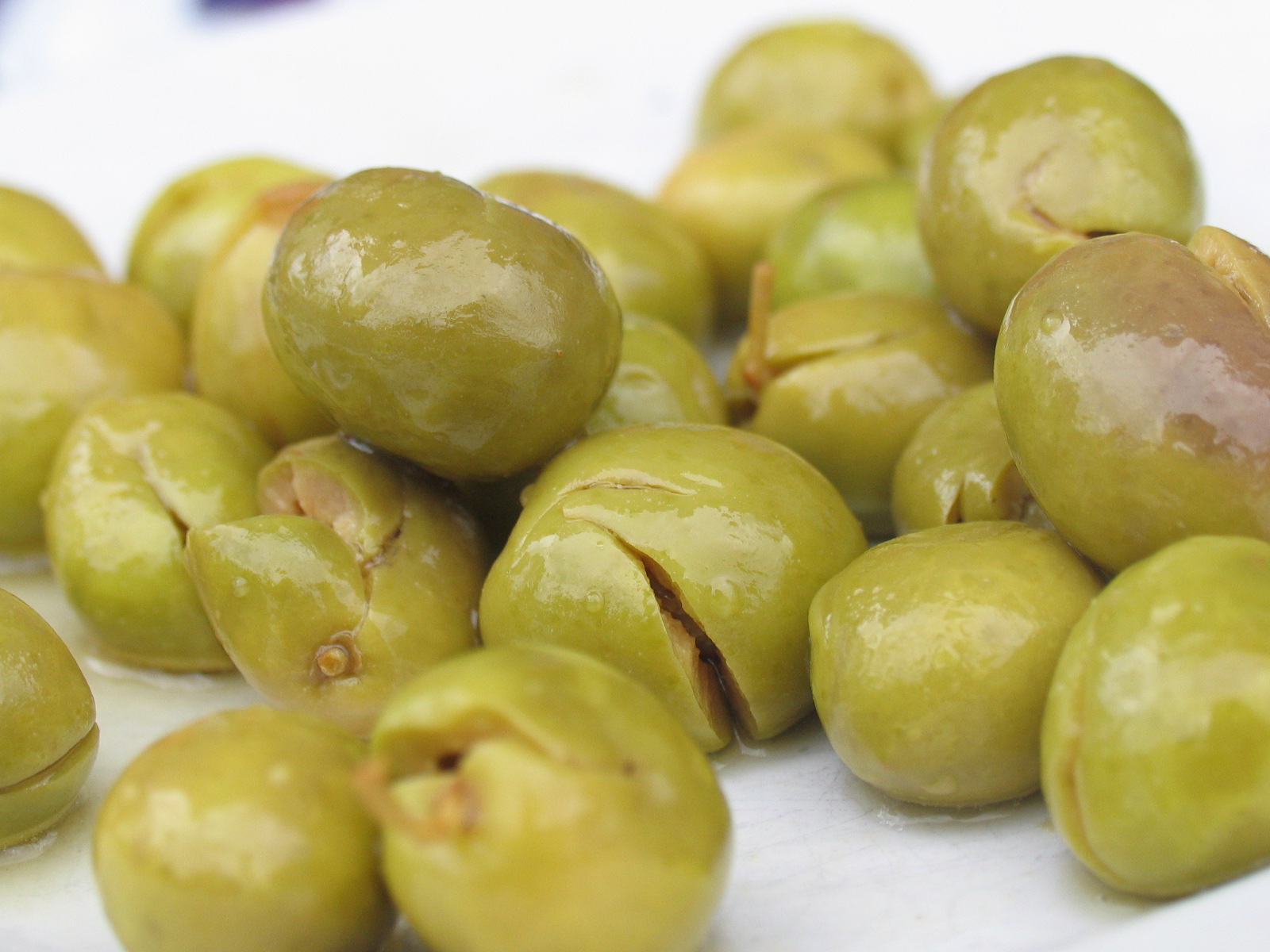
The Aloreña de Málaga takes its name from the town of Álora, west of Málaga, and grows across the Guadalhorce valley. It is essentially a table variety: a medium-large green olive whose flesh parts easily from the stone, which is why it is traditionally cracked or split (aloreña partida) before curing. Its DOP, granted in 2012, was a Spanish first for a table olive and pinned down both the area and the method.
The split-and-season olive
The fruit is naturally low in bitterness, so it cures quickly and is meant to be eaten young rather than stored for long. Cracking it speeds the cure further, letting the brine and seasoning reach the flesh in days rather than weeks. This is an olive built for freshness, not for the long haul of a heavily brined black.
Dressed, not just brined
What makes Aloreña distinctive isn’t only the olive but the seasoning. The classic preparation dresses the cracked green olives with thyme, fennel, garlic and sometimes a slip of pepper, in a light brine they don’t sit in for long. The result is fresh, aromatic and herbaceous, with a tender bite quite unlike the dense, lactic Greek-style black olive. These are aperitivo olives in the truest sense — bright, garlicky, gone in a handful.
Eat them soon, not later
Because they are lightly cured and fresh-styled, they don’t keep like a heavily brined olive; buy them to eat soon. If you find loose Aloreña, refresh them at home: drain, then dress with cracked fennel seed, a little thyme, sliced garlic and a thread of good oil an hour before serving. Keep them cold and eat within a week or two — these are not the kind that improve forgotten at the back of the fridge. And mind the cracked stones as you serve.
A different idea of an olive
Most of the world’s olives are built to keep: heavily brined, sealed in jars, designed to survive months of shipping. The Aloreña is built to be eaten now, which makes it a small act of resistance against the industrial olive. Its short life is not a flaw but the whole point — it is the difference between a fresh loaf and a packaged one. In Málaga it is simply how olives are supposed to taste in autumn: green, garlicky, herb-scented and alive. Find that freshness and you understand what the cracked-and-dressed tradition is protecting.
| Origin | Guadalhorce valley, Málaga, Andalusia |
|---|---|
| DOP | Aloreña de Málaga (2012, Spain’s first table-olive DOP) |
| Primary use | Table |
| Cure | Cracked young, light brine, seasoned |
| Seasoning | Thyme, fennel, garlic, sometimes pepper |
| Flavour | Fresh, aromatic, herbaceous, low-bitter |
| Keeping | Short — eat fresh, don’t store long |
- Buy them to eat soon — they are fresh-style, not built to keep.
- If loose, refresh at home with fennel seed, thyme, garlic and good oil an hour before serving.
- Keep them cold and eat within a week or two.
- Expect cracked stones in the fruit — warn your guests.
- Look for the Aloreña de Málaga DOP for the genuine article.
Aloreña de Málaga olives: common questions
Why are Aloreña olives cracked?
Because the flesh parts easily from the stone, the olives are traditionally split or cracked (aloreña partida) before curing, which lets the brine and seasoning reach the flesh quickly.
What is the Aloreña de Málaga DOP?
A protected designation granted in 2012 — the first ever for a table olive in Spain — defining both the growing area around Álora and the traditional cracked, seasoned preparation.
How are Aloreña olives seasoned?
Classically with thyme, fennel and garlic, sometimes a little pepper, in a light brine. The seasoning is as much a part of the product as the olive itself.
Do Aloreña olives keep well?
No. They are lightly and freshly cured, so they are meant to be eaten soon — within a week or two if loose — rather than stored for months like a heavily brined olive.
What do Aloreña olives taste like?
Fresh, aromatic and herbaceous, with sweet, tender flesh and very little bitterness — bright, garlicky aperitivo olives quite unlike a dense Greek-style black.
If you find loose Aloreña, refresh them at home: drain, then dress with cracked fennel seed, a little thyme, sliced garlic and a thread of good oil an hour before serving. Keep them cold and eat within a week or two — these are fresh-style olives, not the kind that improve forgotten at the back of the fridge. Mind the cracked stones when you serve.
Based on the Aloreña de Málaga DOP and International Olive Council records.