In Focus: The Alfonso Olive
Large, deep-purple and unmistakably tart, the Alfonso is South America’s answer to the great Mediterranean table olive. It comes from the sun-baked Tacna valleys on the Pacific coast, and its wine-and-vinegar cure gives it a flavour like no other.
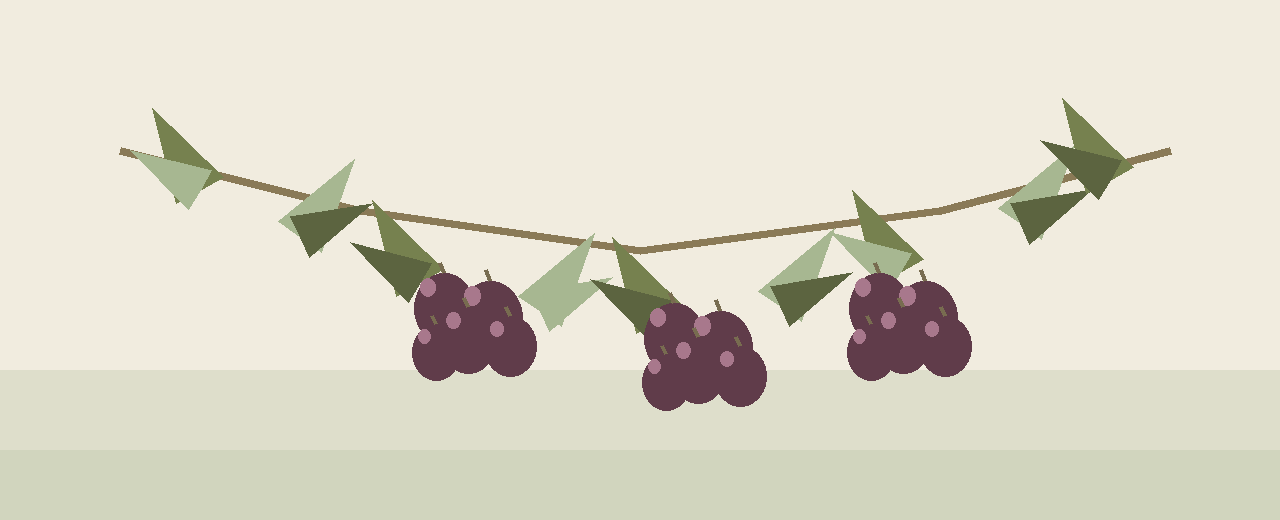
The Alfonso belongs to the olive culture the Spanish carried across the Atlantic five centuries ago. It grows in the dry coastal valleys around Tacna, in the far south of Peru — long sold as a Chilean olive, though the growing district has been Peruvian for generations. It is purely a table fruit, prized for its size, its tender flesh and its bold colour, and it is one of the best-known eating olives of the Americas.
A New World table olive
Tacna is a desert coast watered by a handful of rivers off the Andes, and on that thin green ribbon the olive has thrived since colonial times. The Alfonso is grown there purely for eating: it is a large, fleshy fruit with a tender bite, and its deep purple-brown colour comes partly from full ripeness and partly from the cure. This is not a delicate Provençal nibble — it is a generous, forthright olive built for a plate that wants presence.
The cure is the character
What makes an Alfonso an Alfonso is the brine. The fruit is traditionally cured with red wine and vinegar, which both deepens the colour and stamps in the variety’s signature tang — meaty and soft, with a pronounced tart, slightly bitter, wine-touched character that sets it apart from milder Mediterranean olives. Read the label: a real Alfonso lists wine and vinegar in the brine. If it doesn’t, you are probably looking at a plain ripe olive wearing the name.
At the Peruvian table
In Peru the Alfonso is woven into the everyday kitchen, most famously in arroz al olivar, an olive rice, and in the creamy olive sauces of the coast. Served simply, at room temperature, it makes a striking, generous board olive whose size and colour earn it attention. Its assertive, sour edge means it loves rich, savoury company — cured meats, strong cheese, anything that can answer back — and sulks beside delicate food it would simply overwhelm.
Reading the South American shelf
If you only know Mediterranean olives, the Alfonso is a useful reminder that the New World built its own olive culture, with its own rules. The wine cure is the giveaway, but so is the company it keeps: in Latin markets you will find it beside the green aceituna de botija and other Peruvian and Chilean styles, all descendants of the trees the conquistadors carried over. Buy from a shop that turns its stock over, because a tart, wine-cured olive that has sat too long goes dull and vinegary in the wrong way. Fresh, it is one of the most characterful table olives outside Europe.
| Origin | Tacna valleys, southern Peru (Pacific coast) |
|---|---|
| Also linked to | Chile’s Azapa valley; the wider South American ‘botija’ family |
| Primary use | Table olive (not pressed for oil) |
| Cure | Red wine and vinegar brine |
| Colour | Deep purple to purple-brown |
| Flavour | Meaty, soft, tart, faintly bitter, wine-touched |
| Best with | Olive rice, coastal sauces, charcuterie boards |
- Check the brine: a genuine Alfonso lists wine and vinegar — that is where the colour and tang come from.
- Buy them firm and meaty, not soft or collapsing.
- Serve at room temperature to bring the tart, wine character forward.
- Pair with rich, savoury food; skip the delicate plates it would bulldoze.
- Stone-in keeps the flesh intact — pit by hand as you eat.
Alfonso olives: common questions
Are Alfonso olives Chilean or Peruvian?
The fruit grows in the Tacna district, which has been part of Peru for generations, although it is still often sold as a Chilean olive. The same olive type continues south across the border into Chile’s Azapa valley, which is why both names attach to it.
Why are Alfonso olives so purple?
The deep purple-brown colour comes from two things: the fruit is picked fully ripe, and it is cured in a brine of red wine and vinegar that stains it further. The wine is doing much of the colouring.
What do Alfonso olives taste like?
Meaty and soft, with a pronounced tart, slightly sour, wine-and-vinegar tang and a faint bitterness. They are bold and forthright rather than mild — not the olive for someone who wants gentle.
Are Alfonso olives used for oil?
No. The Alfonso is a table olive through and through, grown for its size and tender flesh. It is not pressed for oil.
How should I serve Alfonso olives?
At room temperature, whole, with rich savoury food — charcuterie, strong cheese, or stirred into a Peruvian olive rice. They are a centrepiece olive, so give them room.
That wine-purple colour and the sour tang both come from the cure, not the tree — so read the brine list. A real Alfonso names wine and vinegar; a generic ripe olive sold under the name won’t taste of much. The flavour is assertive and a little sour, so it is not the olive for someone who wants mild. Buy them firm and meaty, serve at room temperature, and let that distinctive tang do its work.
Based on South American table-olive tradition and Tacna growing accounts (Peru / Chile border region).