Olive Oil: Liquid gold in Gerber, CA
Every few years a Californian county announces it will do for olive oil what Napa did for wine. The slogan writes itself — liquid gold. What actually determines whether an oil region becomes a destination is far less romantic, and far more interesting.
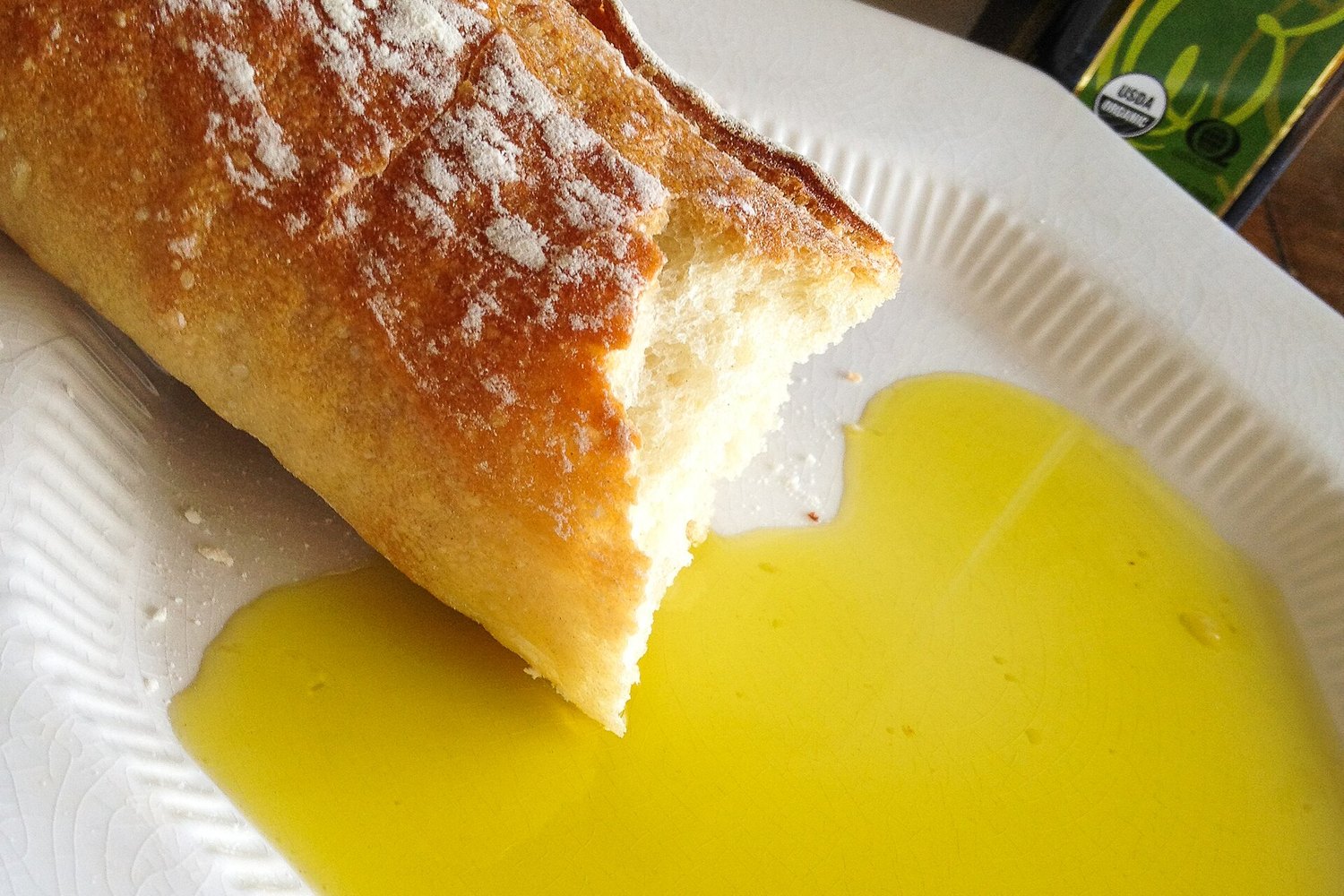
Drive north from Sacramento and the land flattens into orchard country — walnuts, almonds, prunes, rice — and, increasingly, olives. Tehama and Glenn counties, Corning, Red Bluff, Orland: this is where a serious share of American olive oil is actually milled, and where the local development boards periodically launch a campaign to turn milling into tourism.
The instinct is sound. Wine taught California that a bottle sold at the gate is worth several bottles sold to a distributor, and that a visitor who has stood in the grove buys differently forever after. But olive oil is not wine, and the differences matter more than the similarities.
Why the wine model only half fits
Wine has two structural advantages olive oil does not. It improves in the bottle, so scarcity and age create value; and it is drunk by the glass over an evening, so a tasting room is a pleasant afternoon. Olive oil declines from the day it is made, and tasting more than five or six oils in a row leaves most people with a burning throat and no palate left. A grove is a beautiful place to stand, but the sensory experience is short.
What does transfer is the appellation logic — the idea that a place can mean something reliable. That works only if the region enforces a standard, which is why the Californian producers who took quality seriously built one: a certification seal with chemistry and taste-panel requirements tighter than the international minimums. That is the piece that turns a marketing slogan into a defensible claim.
The technology that actually changed things
The real revolution in Californian oil was not branding, it was planting geometry. Traditional groves are widely spaced trees harvested by shaking or by hand — slow, expensive, and dependent on labour that is neither cheap nor reliably available. Super-high-density planting puts compact cultivars in tight hedgerows that a modified grape harvester can straddle and strip in one pass. A handful of varieties tolerate that treatment well — Arbequina above all, with Arbosana and Koroneiki alongside — which is why so much Californian oil tastes of those three.
The consequence is a genuine advantage: fruit reaches the mill within hours, not days. Time between picking and crushing is the single biggest controllable factor in oil quality, and a mill in the middle of its own hedgerows wins that contest against any oil that crossed an ocean in a tank.
| Napa wine model | California olive oil reality | |
|---|---|---|
| Ageing | Improves in bottle; scarcity builds value | Declines from day one; freshness is the value |
| Tasting visit | An afternoon of many glasses | Five or six oils and the palate is done |
| Varietal identity | Hundreds of grapes, deeply established | A few hedgerow-friendly cultivars dominate |
| Price ceiling | Effectively unlimited | Capped by a commodity import at half the price |
| Home advantage | Terroir and prestige | Harvest-to-mill time and a verifiable crush date |
The number nobody likes to say out loud
Domestically milled oil remains a small share of what Americans actually pour — low single digits by volume, even after two decades of growth. That is not a failure; it is the shape of the market. Imported oil arrives in bulk at a landed cost a Californian grower cannot match, and it fills the mid-shelf. Californian oil competes on the top shelf, on freshness, on a printed crush date and on the fact that a buyer can drive to the mill.
Which means the destination strategy is not really about tourism revenue. It is about building a reason to pay more for a bottle whose main virtue — it was made three months ago, forty minutes from here — is otherwise invisible on a shelf.
- Look for a crush or harvest date on Californian bottles. Domestic producers can print it, and the good ones do.
- Buy in the winter and spring after the autumn harvest; that is when the oil is at its best.
- Expect Arbequina character — soft, buttery, mildly fruity — unless the label says otherwise.
- Certification seals are worth checking when they carry chemistry and taste-panel requirements, not just a membership fee.
- A mill visit is worth more than a tasting room: ask when the fruit came in and how long it waited.
California olive oil: common questions
Is Californian olive oil better than imported?
Not automatically — but it has a structural freshness advantage, because the fruit is milled locally within hours and the crush date is usually printed. Against a mid-shelf import of unknown age, that is a real edge. Against a top-tier European estate oil bought fresh, it is a matter of style.
Why does so much Californian oil taste similar?
Because hedgerow harvesting favours a small group of compact cultivars — Arbequina, Arbosana, Koroneiki. They give a softer, less bitter, more buttery oil than the classic Spanish or Tuscan profiles.
When is the California harvest?
Roughly September to November, earlier for oil fruit picked green, later for riper fruit. Bottles from that harvest reach shelves through the winter.
Are Californian table olives the same industry?
Largely no. Table-olive canning is a separate business concentrated further south in the San Joaquin Valley, using large fruit and the black-ripe oxidation process, not the northern oil mills.
Can an olive oil region really become a wine-style destination?
Partly. The appellation logic transfers if a real standard is enforced; the tasting-room economics do not, because oil is not sipped for an afternoon and does not improve with age.
Here is the part the county brochures leave out: the freshness advantage is the entire business case, and it is fragile. An excellent Californian oil that sits eighteen months in a warehouse is just an expensive ordinary oil. If you buy domestic, buy it young and buy it dated — and if a Californian bottle has no crush date on it, ask yourself why a producer with a genuine home-field advantage would decline to use it. That silence usually means the oil is older than the marketing.
Drawn from published Californian olive oil industry and university extension material on super-high-density orchards, harvest timing and domestic production share.