Borges Bets $2.7 Million on Indian Olive Oil Buyers
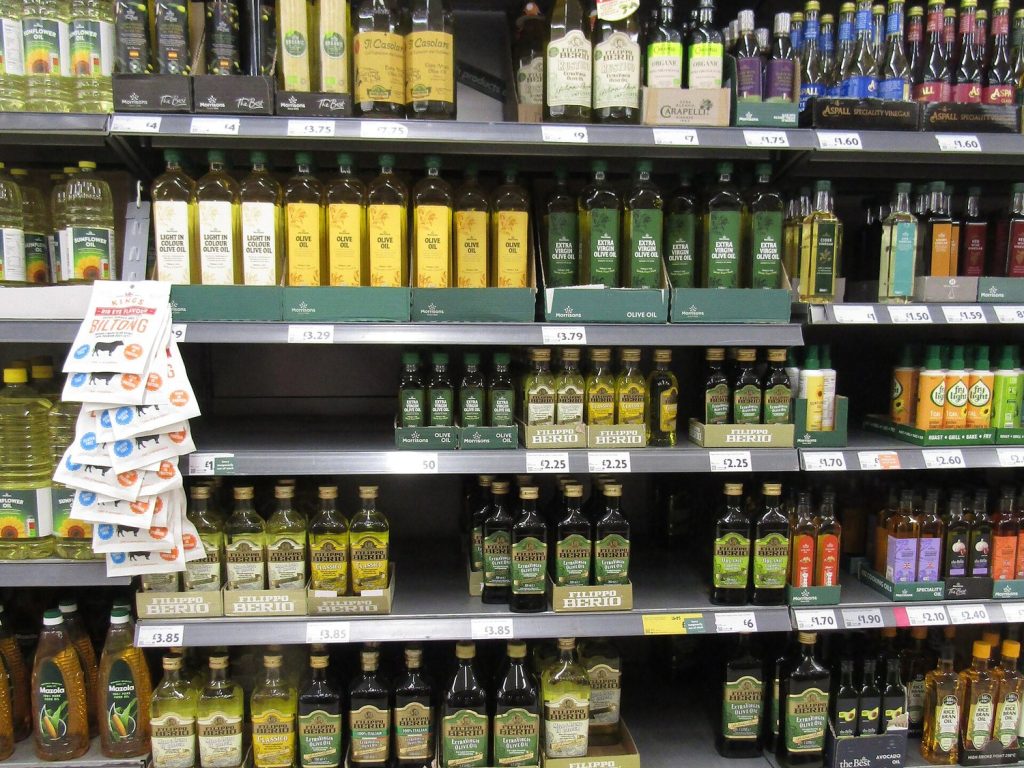
Borges, one of the largest olive oil producers in the world, has appointed the Indian agency Law & Kenneth and is lining up a media campaign estimated at about 2.7 million dollars to push olive oil in India. It is the first time the Spanish group has taken on a creative partner in the country, and the size of the budget tells you how seriously it rates the prize. Here is what the money is chasing.
What has been announced
The agency won the whole Borges portfolio in India after a multi-agency pitch: olive oils, table olives, nuts and dried fruit, microwave popcorn and vinegar, all of it currently imported from Spain. The agency’s chief executive, Anil Nair, described the job in one sentence that sums up the difficulty: it is a challenging assignment given that the work involves altering taste perceptions and attitudes.
The plan leans on unconventional media and below the line activity rather than a wall of television, which is the sensible route when the product needs explaining rather than reminding. Borges says it wants a leadership position in the Indian consumer market.
Why India, and why now
India imported around 60 percent more olive oil in 2010 than the year before. That growth is coming off a very small base, and it is concentrated in wealthier urban households who have read about the health benefits. Most of the country still cooks in mustard oil, groundnut oil, vanaspati or refined palm, at prices olive oil cannot approach.
So the marketing argument is not really price against price. It is health, and it is aspiration, sold to the households that can pay a multiple for a cooking medium. Every large brand has reached the same conclusion, which is why the campaigns keep coming.
- The buyers are urban, middle class and upward, and they are reading about cholesterol.
- Indian cooking reaches high temperatures, so the trade pushes pomace and refined grades harder than extra virgin.
- Volume is tiny against the edible oil market as a whole, which is why the growth rates look spectacular.
What I would watch
Two things. First, which grade gets the advertising. When a campaign of this size talks about the health benefits of olive oil while the tins on the shelf are pomace or refined olive oil, the consumer ends up holding a product the research was never about. Second, how the brand handles the Indian kitchen. Selling extra virgin for deep frying at Indian temperatures is asking for a disappointed customer; selling it for finishing and salads means asking people to change the way they cook.
The council and the big Spanish and Italian houses have been trying for years. Our archive is full of it: the olive council’s own campaign, Hojiblanca’s launch, and forecasts that consumption would rise nine times over. Borges is not new to buying its way into a market either: it took the French brand Tramier in 2007.
In a new market the brand that spends first sets the vocabulary, and it usually chooses words that suit its own tins. If the campaign teaches a country that olive oil means a light, odourless oil for frying, extra virgin will spend the next decade being explained as the odd, bitter exception. Watch what the advertising calls the product, not what the press release says about quality.
Sources
- Campaign India: Law & Kenneth wins Borges Mediterranean Group account in India, 21 July 2011
- Olive Oil Times: Borges Plans $2.7M Campaign to Promote Olive Oil in India, 12 August 2011 (archived copy)