Kailis Organic Olive Groves Goes Into Administration
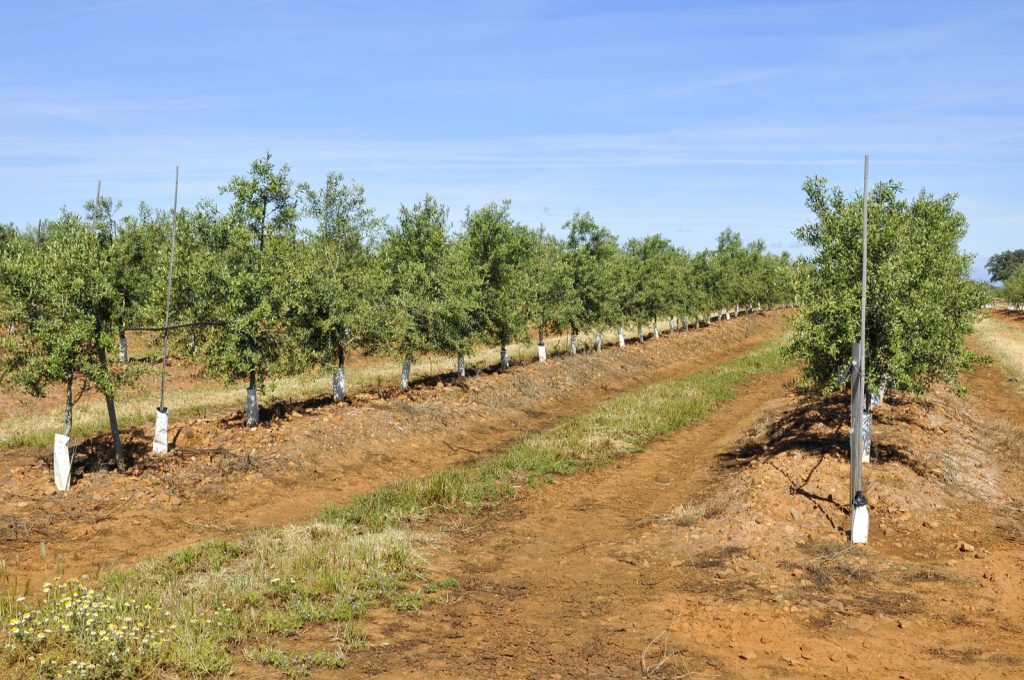
Kailis Organic Olive Groves, the Western Australian organic olive oil business run by Mark Kailis, has been placed in voluntary administration along with three related companies, barely a year after raising A$25.5 million from investors. The administrators, James Thackray and Shaun Fraser of McGrathNichol in Perth, expect to find a buyer. Here is what happened, how a well-funded grower got here, and what it says about the economics of big olive groves.
What happened
McGrathNichol was appointed last week to four businesses: Kailis Organic Olive Groves, Kailis Olive Processing, Everyday Organic and Organic Olive Management. Kailis Organic Olive Groves, an unlisted public company and the largest of the four, tried to raise more working capital earlier this year and failed. Thackray told SmartCompany that the business had not traded profitably, that it had revenue of about A$5 million to A$7 million in the last year, and that it employs about 20 people.
Unsecured creditors are owed about A$2 million, including employees, shareholder loans and suppliers. A creditors’ meeting is set for 28 November to decide whether to form a committee of creditors and whether to keep McGrathNichol as administrators. Thackray sounded confident about a sale: “There is a market for it,” he said, pointing to the company’s strong position in the young market for certified organic olive oil.
How it got here
| When | What |
|---|---|
| 2000 | Kailis Organic Olive Groves begins producing olive oil |
| 2009/10 | Loss of A$3.4 million; the collapse of Great Southern, whose olive assets Kailis had managed for five years, has “substantial impact” |
| Mid 2010 | Plans an A$30 million float at A$1 a share to buy Great Southern’s olive assets around Perth for A$19.7 million |
| Late 2010 | Float abandoned; A$25.5 million raised from private and family investors; acquisition completed |
| 2011 | Fails to raise further working capital; administrators appointed in November |
The Kailis name is well known in Western Australia. The family arrived from Greece in 1917, Mark Kailis’s father Peter founded the Red Rooster chicken chain in 1974, and the family’s other interests include seafood and pearls. Mark Kailis founded and managed the olive business. As recently as October last year he said there was no doubt the company was “positioned to be a major organic trader on the world market”, selling through more than 250 retail outlets in Australia and exporting to seven countries, Germany among them.
The turning point was Great Southern. Kailis had managed Great Southern’s olive assets for five years. When that managed investment scheme collapsed, the company decided to buy those groves outright from the liquidators. The plan made sense on paper: more trees, more organic oil, better economies of scale. It needed the float to pay for it. When the float did not happen, the money came from private investors instead, and the extra working capital the bigger business needed never arrived.
What it means
This is the second act of a story Australian growers already know. The managed investment schemes planted olives on a grand scale for tax reasons, and when they collapsed the groves did not disappear. Timbercorp’s crop was sold off to keep the harvest moving, and Great Southern’s groves near Perth were bought by Kailis, which believed it could make them pay. So did the investors who put in A$25.5 million.
For shoppers the practical effect is small for now. The trees are still there and the administrators want a buyer, so Kailis oil may well keep appearing under the same name. But when a label changes hands, the oil behind it can change too. Keep reading the back of the bottle, not just the front.
- Organic olive oil usually costs more to grow, and the premium on the shelf has to cover it every single year.
- Scale helps only if there is cash to run it. Buying groves is the easy part; pruning, harvesting and milling them every season is the expensive part.
- Groves outlive the companies that plant them. The question is always who will own them next.
Olive trees are patient and balance sheets are not. A grove can take years to pay back what it cost to plant, and one bad season or one failed capital raising is enough to break the company holding it. When you see a well-known grower go under, it rarely means the oil was bad. It usually means the money ran out before the trees paid for themselves.