The Best Italian Taggiasca Olives: How to Choose a Jar Worth the Money
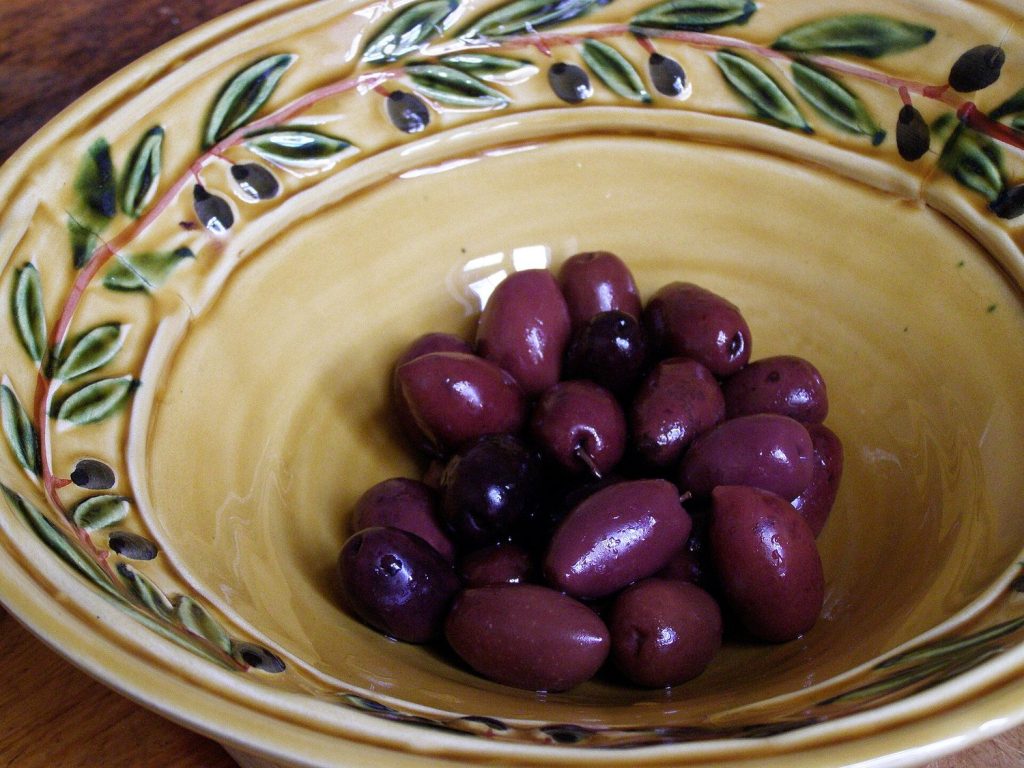
The best Italian Taggiasca olives are the ones that name the variety, come from Liguria (ideally with the new “Olive Taggiasche Liguri” IGP seal), and list nothing but olives, water, salt and perhaps olive oil. Brand matters far less than those three checks. The Taggiasca is a small, brownish-purple Ligurian olive with thin flesh and a proportionally large stone, and that awkward ratio is exactly why it is prized, and why so many jars sold under the name hold something else. Here is what a real one is, how to read an Italian jar in ten seconds, whether organic is worth it, and which format to buy for which job.
What a Taggiasca actually is
The variety comes from the Riviera di Ponente in western Liguria, around Imperia and the town of Taggia that gave it its name. It is the same olive the French grow a few miles west as the Cailletier, the olive of Nice: genetic studies of French olive varieties treat the two names as one cultivar. In practice the same fruit is sold under two names, at two prices, on either side of a border.
The olive itself is small, a couple of grams, and an uneven mix of colors in any one harvest: green-brown, violet, deepening to near black when fully ripe. The flesh is sweet and mild, closer to almond and butter than to the frank bitterness of a Greek olive, and it comes away from the stone easily. It is a dual-purpose variety, eaten from the jar and pressed into one of the most delicate oils in Italy, and the harvest runs long, from late autumn into early spring. For a fuller profile of the tree and the oil, see In Focus: the Taggiasca olive.
The new IGP: the one label that settles it
For years, “Taggiasca” on a jar told you the variety at best, not where the olives grew, and Ligurian producers complained that more jars carried the name than their terraces could possibly fill. Cheaper olives such as Leccino have turned up in jars labeled Taggiasca. After a long campaign, the European Union registered Olive Taggiasche Liguri as a protected geographical indication (IGP in Italian, PGI in English) in the autumn of 2025.
The rules are short and useful to a buyer:
- The olives must be the Taggiasca cultivar and nothing else.
- They must come from Liguria, anywhere in the region, not only the area around Taggia.
- Debittering with alkaline chemicals such as lye is banned. The olives are cured naturally, in water and brine.
- They can be sold green, part-ripe, black, or debittered, which is why an honest jar shows a range of colors.
Jars packed before the IGP, and olives grown elsewhere in Italy from Taggiasca trees, can still be perfectly good. But the IGP seal is now the only label that guarantees variety, region and method together.
Which format for which job
| Format | What you get | Best for | Watch for |
|---|---|---|---|
| Whole in brine | Truest flavor, firmest texture | Aperitivo, boards, slow braises | Stones in. Put a dish out. |
| Whole in oil | Rounder, richer, less salty | Focaccia, fish, pissaladière | Check the oil is olive, not sunflower |
| Pitted | Convenient, but softened flesh | Pasta, sauces, tapenade | Go soft quickly. Buy small jars. |
| Paste or cream | Concentrated and very salty | Crostini, stuffings, dressings | Frequently cut with other varieties |
Reading an Italian jar
Many of the best Taggiasca jars are labeled in Italian first, with a small translation on the back if you are lucky. These are the words that matter:
- In salamoia: in brine. The classic, and the best test of the olive itself.
- Sott’olio or in olio extravergine di oliva: in oil, or specifically in extra virgin olive oil. “Olio di semi” means seed oil, usually sunflower.
- Denocciolate: pitted. Con nocciolo: with the stone.
- Paté or crema di olive: paste.
- Olive Taggiasche Liguri IGP: the protected name, with the EU’s blue and yellow PGI logo.
- Confezionato in Italia or prodotto e confezionato da: packed in Italy, or produced and packed by. Packed is not the same as grown.
Five things to check on the label
- The variety is named. The word “Taggiasca” must appear. “Ligurian olives” or “Italian olives” commits the packer to nothing.
- The origin is stated. Liguria, ideally with the IGP seal or a named producer in the province of Imperia. Plenty of “Italian” jars hold olives grown elsewhere and merely packed in Italy. That is legal, and it is not the same product.
- The ingredients are short. Olives, water, salt. Perhaps vinegar, herbs or olive oil. Citric acid is tolerable. Flavor enhancers are not.
- The covering oil is olive oil. “Vegetable oil” almost always means sunflower, and you are paying olive prices for it.
- The olives are small and uneven. A jar of perfectly uniform, round, jet-black olives is a warning sign. The real thing is irregular in size and color.
Are organic (“bio”) Taggiasca olives better?
“Bio” or “biologico” on an Italian jar means the olives were certified organic under EU rules: no synthetic pesticides or fertilizers in the grove, and a certifier code on the label. That is a statement about farming, not about the olive. An organic jar can still hold a different variety or olives from outside Liguria, and a non-organic jar from a careful terrace grower can be excellent.
So buy organic if the farming method matters to you, and some small Ligurian growers do farm that way. But check variety and origin first, because organic certification does not cover either. Always look for the certifier code: a green leaf logo with no code next to it is not worth much. The wider point is covered in organic olives: what the label does and does not tell you.
The pitted question
Stoning a Taggiasca removes a meaningful part of what makes it worth buying. The stone is a large share of a small fruit, and the machine that removes it inevitably damages flesh that was thin to begin with. Pitted olives then spend longer in brine, take up more salt and lose firmness.
That does not make them useless. For a pasta sauce or a tapenade, the time saved is real and the loss disappears into the dish. For an aperitivo or a cheese board, buy them whole. The difference is obvious on the first olive. And the best pitted olives come in small jars, because a large one degrades before you finish it.
Taggiasca or Niçoise?
Botanically they are the same olive grown on both sides of the French-Italian border. What differs is the preparation and the name on the jar. The Niçoise tradition favors a long, gentle brine; the Ligurian one a brine often followed by oil. If a recipe asks for Niçoise olives and you can only find Taggiasca, use them without hesitation. The reverse holds too. Just be aware that “Niçoise-style” on a label usually means a Spanish olive, as explained in a small thing worth knowing about olive names.
Storing an open jar
Sealed, a jar keeps for months in a dark cupboard. Once opened, refrigerate it and keep the olives submerged. Anything sitting above the liquid oxidizes and pales within days. If the level drops, top it up with homemade brine, a teaspoon of salt in 200 ml (about 7 fl oz) of water, rather than plain water, which weakens the preservation. More detail is in how long do olives last.
The reason Ligurian growers fought for the IGP is simple arithmetic: the terraces around Taggia are steep, hand-worked and low-yielding, and there were never enough real Taggiasca olives to fill every jar that carried the name. That arithmetic has not changed. If a jar of “Taggiasca” costs about the same as an ordinary Italian black olive, the odds are it is not one.
Frequently asked questions
What are the best Italian Taggiasca olives?
The jars that name the variety, state a Ligurian origin (ideally with the Olive Taggiasche Liguri IGP seal), and list only olives, water, salt and possibly olive oil. Those checks matter far more than the brand.
What are Taggiasca olives?
Taggiasca is a small, mild, brownish-purple olive variety from western Liguria, named after the town of Taggia near Imperia. It is used both as a table olive and for a delicate extra virgin olive oil.
Are organic Taggiasca olives better?
Organic certification guarantees how the olives were farmed, not their variety or origin. Buy organic if farming method matters to you, but check for the Taggiasca name, a Ligurian origin and a certifier code first.
Are pitted Taggiasca olives worse?
They are saltier and softer, because stoning damages the thin flesh and lengthens brine contact. For cooking the difference is small. For eating on their own, buy them whole.
What is the difference between Taggiasca and Niçoise olives?
Genetically they are the same variety, called Cailletier in France, grown either side of the border. The differences lie in the curing tradition and the name on the jar, not the fruit.
What can I use instead of Taggiasca olives?
Genuine Niçoise olives first, then small Gaeta olives or Spanish Arbequina. All three are small, mild and low in bitterness.