Fruitless Olive Tree Guide: Varieties, Pollen and Care
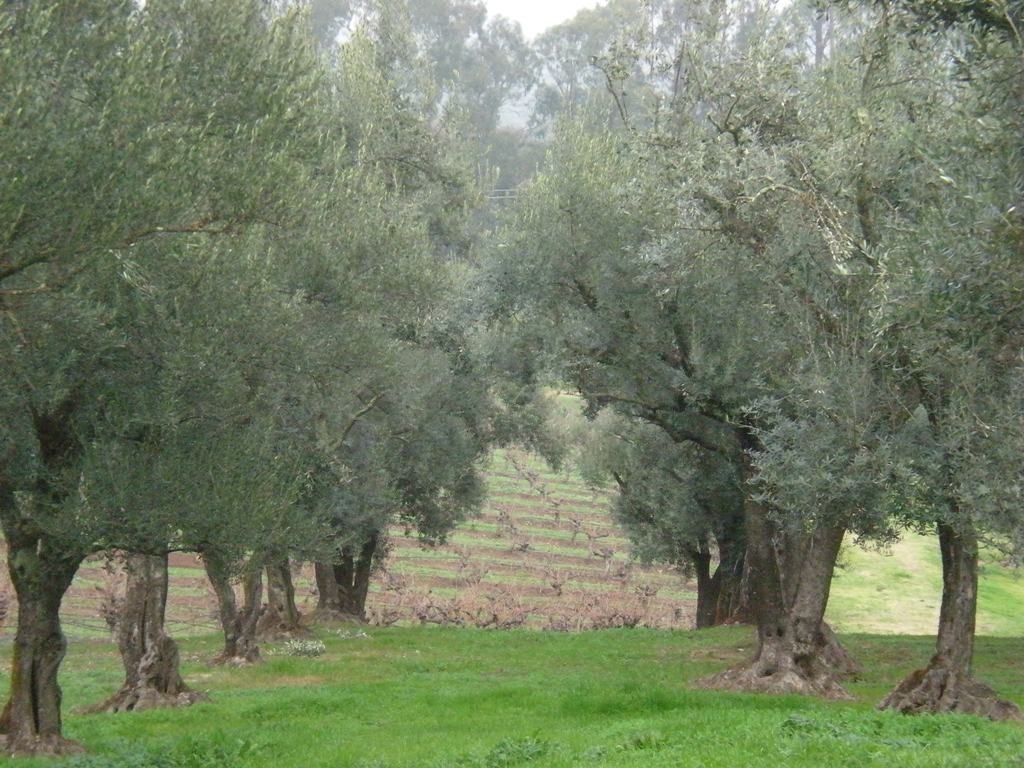
A fruitless olive tree is an ordinary olive (Olea europaea) selected to set little or no fruit, so you get the silver leaves and twisting trunk without purple stains on the patio. Some fruitless types also shed far less pollen. Below: the main varieties, how fruitless they really are, where they grow, how to care for one, and how they compare with a fruiting olive.
What a fruitless olive tree is
A fruitless olive is not a separate species. It is a named selection of the common olive that sets little or no fruit, propagated by grafting or cuttings so every tree carries the same trait. The leaves, bark, drought tolerance and long life are the same as any olive. Nurseries sell them mainly as landscape and street trees, and they are most common in California and the desert Southwest. The names you will see most:
- Swan Hill. The best documented. California’s PlantRight program describes it as bearing no fruit and producing little or no pollen, and pollen research sponsored by its nursery found little if any airborne pollen. It grows slowly to about 20 to 30 feet tall and wide and is usually sold grafted.
- Majestic Beauty. A slow-growing, nearly fruitless selection (cultivar name ‘Monher’) with narrow gray-green leaves and an open crown, reaching about 25 to 30 feet.
- Wilsonii. An open, airy tree with narrow pale leaves that occasionally bears a small crop.
- Little Ollie. A dwarf, shrubby fruitless form that stays around 6 to 8 feet, used for hedges, borders and large containers.
Why people choose fruitless olives
The first reason is mess. A mature fruiting olive drops a heavy crop of dark, oily fruit in fall and winter. It stains concrete and stone, gets tracked indoors and makes paths slippery, and the raw olives are too bitter to eat anyway. Over a pool, a driveway or a patio, that gets old quickly.
The second is pollen. Olives are wind-pollinated, and a fruiting tree in full bloom releases a great deal of fine pollen in late spring, one of the significant seasonal allergens wherever olives are planted in numbers (see olive pollen allergy). Some desert counties restrict pollen-producing olives for this reason. Clark County, Nevada, which includes Las Vegas, stopped new plantings of fruiting olives in 1991, and Pima County, Arizona, around Tucson, bans importing and selling the common European olive. In both places, fruitless low-pollen selections are sold as the permitted alternative. Rules change, so check with your county before you buy.
There are two quieter reasons. In parts of southern California and the Central Valley, birds such as starlings and crows carry olive seed into wild land, so PlantRight, a California invasive-plant program, keeps the olive on its watch list and points gardeners who want the look without the fruit to fruitless cultivars. And UC pest guidance notes that preventing fruit on landscape olives helps limit the olive fruit fly, a serious pest of commercial groves.
Are fruitless olive trees truly fruitless?
Mostly, but read the word as “little or no fruit” rather than a guarantee. Swan Hill is sold as bearing none. Majestic Beauty and Wilsonii are nearly fruitless and can set a light scattering of olives in some years, nothing like the carpet a fruiting tree drops. Fruitless does not mean flowerless either. Several of these trees still bloom, and only Swan Hill has published pollen research behind it, research sponsored by its own nursery. For a bad allergy sufferer, that difference matters.
When a supposedly fruitless tree does start cropping, there are two usual explanations. One is suckers. A grafted tree sits on a rootstock that is not the fruitless variety, and shoots from below the graft can grow up into the canopy, flower and fruit. Cut them off at the base as soon as they appear. The other is a mislabeled tree, which is why the cultivar name on the tag matters.
If you already own a fruiting olive, you can reduce the crop rather than replace the tree. UC Cooperative Extension describes growth-regulator sprays for this, such as NAA products (sold as Olive Stop) or ethephon, applied at bloom. Timing is everything, results vary from year to year, and the label rules.
Where fruitless olives grow, and how to care for one
Fruitless olives have the same climate limits as any olive. Nursery listings put Swan Hill in USDA zones 8 to 10 and Majestic Beauty in zones 8 to 11. They do best with long, hot summers, which suits the Southwest, California and much of Texas, but they also cope with coastal gardens. Care is ordinary olive care:
- Sun: full sun, the more the better.
- Soil: anything that drains, including shallow, rocky or alkaline ground. Wet, heavy soil is the real enemy.
- Water: regular deep watering for the first couple of summers, then deep and infrequent. Established trees are low-water plants.
- Feeding: little or none. Our olive tree care guide covers the light spring feed that is plenty if growth is weak.
- Pruning: late winter or early spring, thinning for an open canopy and removing any suckers from the base.
- Pests: the same as any olive, with scale insects the most common in gardens.
They are slow growers, so the size you plant is roughly the size you will live with for years. That is a point in their favor near buildings, and a reason some people pay for a bigger tree up front. For more on olives as ornamentals, see the olive tree in gardens and courtyards.
Fruitless vs fruiting olive trees: pros and cons
| Fruitless olive | Fruiting olive | |
|---|---|---|
| Fruit drop | None, or a light scattering in some years | Heavy in fall and winter; stains paving |
| Pollen | Low; best documented for Swan Hill | Heavy for a few weeks in late spring |
| Harvest | None | Olives for curing or oil |
| Local planting rules | Sold as the permitted choice where olives are restricted | Restricted in some desert counties |
| Spread into wild land | No seed to spread | Birds spread seedlings in parts of California |
| Looks | Same silver foliage and trunk | Same |
| How it is sold | Mostly landscape specimens, often grafted | Many varieties and sizes, often on their own roots |
| Ongoing work | Remove rootstock suckers | Fruit cleanup, or fruit-stop sprays every spring |
If you want olives to cure or press, only a fruiting tree will do. If the tree is going over paving, beside a pool, or anywhere pollen is a worry, a fruitless olive is the easier tree to live with.
A tag that just says fruitless olive is not a variety. Ask which cultivar it is and whether it is grafted. When a fruitless tree starts dropping olives, the culprit is very often a rootstock sucker nobody cut, so a pair of pruners at the base of the trunk once or twice a year is the cheapest insurance you can buy.
Frequently asked questions
Do fruitless olive trees produce any olives?
Swan Hill is sold as bearing no fruit, while Wilsonii and Majestic Beauty are nearly fruitless and can set a light scattering in some years. Suckers from a grafted tree’s rootstock can also fruit, so remove them.
Are fruitless olive trees good for allergies?
They are usually a better choice than fruiting olives, which shed heavy pollen in late spring. Swan Hill has research showing little airborne pollen; pollen claims for other fruitless types vary by seller.
How big does a fruitless olive tree get?
Most standard fruitless types slowly reach about 20 to 30 feet tall and wide. Dwarf forms such as Little Ollie stay around 6 to 8 feet.
How cold can a fruitless olive tree take?
About the same as a fruiting olive. Nursery listings put Swan Hill in USDA zones 8 to 10 and Majestic Beauty in zones 8 to 11.
Can I stop my existing olive tree from fruiting?
Partly. Growth-regulator sprays applied at bloom, such as NAA products, can cut fruit set, but timing is critical and results vary, so follow the label exactly.