Olive Tree Leaves Yellow or Dropping: Check These Things in Order
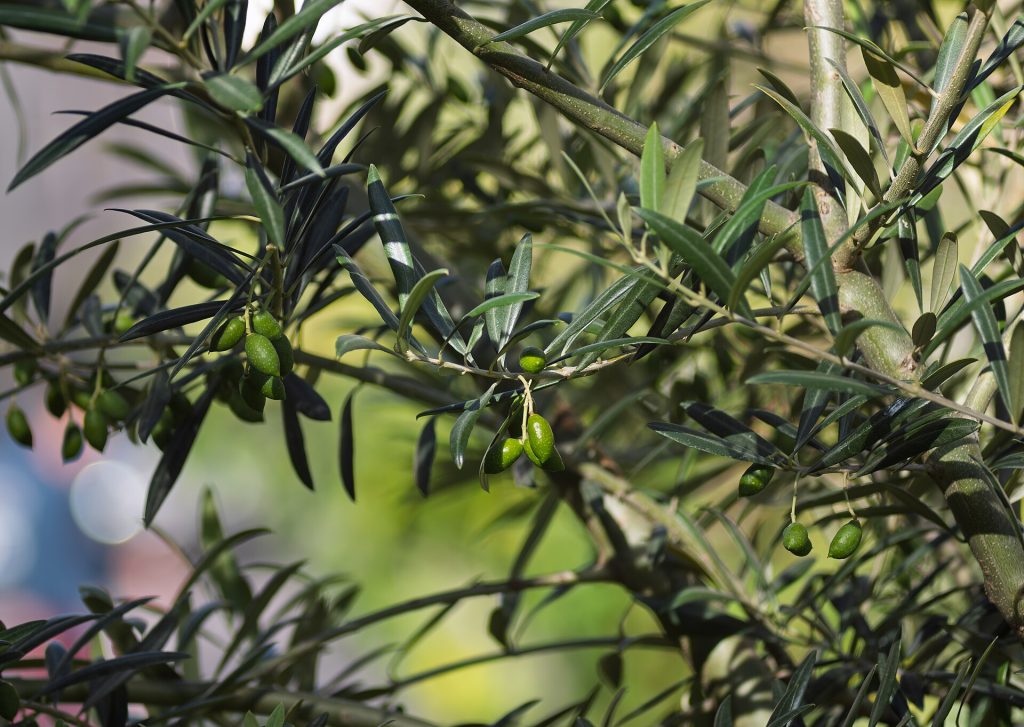
When olive tree leaves turn yellow, curl, go brown or drop, work through these checks in order: the season, the soil, the roots, the light, what changed recently, the cold, and only then feeding and disease. It is nearly always a message about water, light or cold. Start with the checklist, then use the symptom sections and the quick-reference table for the likely cause and the fix.
The checklist, in order
- Check the season. A scattering of yellow leaves on older, inner wood in spring, with healthy new shoots at the tips, is normal. You can stop here.
- Check the soil. Push a finger 2 inches down. If it is dry, water deeply and slowly until the whole root zone is wet. If it is wet, do not water.
- Check the drainage and the roots. If the soil stays wet for days, empty the saucer, clear the holes and slide the tree out. Firm, pale roots are healthy; dark, soft, sour-smelling ones have rotted.
- Check the light. Indoors, low light is the usual cause of leaf drop. Move the tree to the brightest spot you have.
- Think about what changed. A move, a transplant, the heating coming on or a swing from dry to soggy in the last few weeks is the usual trigger. Fix it and wait.
- Check for cold. After a hard frost, wait until spring growth starts, then scratch a twig with a fingernail. Green underneath is alive.
- Only then think about feeding. An even, pale yellow on the older leaves of a tree that has gone years without food or fresh mix calls for a light, balanced feed in spring.
- Last, look for spots and pests. Dark spots with a yellow halo, a black sooty film or one branch wilting suddenly each have their own answer below.
Olive tree leaves curling: usually thirst, heat or wind
An olive leaf that folds or rolls inward along its midrib is saving water. Curling is usually the first visible sign that the leaves are losing moisture faster than the roots can replace it, and there are only a few reasons that happens:
- The soil is dry. Most common in pots, which can dry out in a day or two of summer heat.
- Heat or hot, dry wind. Leaves may curl through a scorching afternoon even in moist soil, then flatten again by evening. That is normal and not worth worrying about.
- The roots can’t drink. Waterlogged roots that have started to rot, a badly root-bound tree or a recent transplant can all leave leaves curling in soil that feels damp.
- Cold damage. After a hard frost, damaged leaves often curl, then dry out and turn brown over the following days.
The fix starts with a finger in the soil, 2 inches down. If it is dry, water deeply and slowly until the whole root zone is wet. If it is wet, do not water: check that the pot drains, and if the tree stays droopy, slide it out and look at the roots. Healthy ones are firm and pale; rotted ones are dark, soft and smell sour. On a windy site, shelter helps more than extra water. Our note on how an olive tree drinks explains why the tree shuts down this way when water runs short.
Olive tree yellow leaves: check the soil before anything else
Some yellowing is simply the calendar. Olive leaves live about two to three years, and the tree sheds its oldest ones mostly in spring, just as new growth appears. A scattering of yellow leaves on the older, inner wood in spring, with healthy new shoots at the tips, is normal.
Wider yellowing has a short list of causes. Overwatering or poor drainage is the big one, especially in pots: yellow leaves plus soil that stays wet for days means the roots are short of air. Hunger shows as an even, pale yellow-green across the older leaves, most often in pots that have not been fed or repotted for years; a light, balanced feed in spring usually corrects it. Yellow between green veins on new leaves suggests iron chlorosis in cold, wet or very alkaline soil. Olives cope with alkaline ground well, so this is less common, and better drainage often fixes it. Low light is the usual culprit indoors.
Don’t fertilize a yellowing tree until you have ruled out wet roots, because feeding a waterlogged tree does nothing for it. Our olive tree care guide covers feeding that is modest and well timed.
Olive tree brown leaves: tips, spots or whole branches
Brown tips and edges usually mean drought stress, windburn, reflected heat from a wall or paving, or salt. Salt builds up in pots that get small, frequent sips, from hard water and fertilizer, and may show as a white crust on the soil. Water deeply enough that it runs out of the bottom to flush it through, and go easier on the fertilizer.
Whole leaves browning after a freeze are frost damage. Don’t prune straight away. Wait until new growth starts in spring, then scratch a twig with a fingernail: green underneath is alive, brown and dry is dead and can be cut back. Our piece on frost and the olive covers how cold is too cold.
Dark, round spots with a yellow halo are the classic sign of peacock spot, a fungal leaf disease that spreads in cool, wet fall and winter weather and makes infected leaves fall. Rake up fallen leaves and prune to open the canopy. If it keeps coming back, a copper-based fungicide applied in fall before the rains is the standard treatment; follow the label.
A whole branch that suddenly wilts and browns, often with dead leaves still hanging on, can be verticillium wilt, a soil-borne fungus with no cure. Cut out dead branches, avoid overwatering and heavy feeding, and ask your local extension office to confirm it. Our overview of anthracnose and the other grove diseases covers these at orchard scale. A black, sooty film is different again: sooty mold growing on the honeydew of scale insects. Treat the scale and the mold goes with it.
Olive tree dropping leaves: a change is the usual trigger
Olives drop leaves to shrink their workload when conditions turn against them, and the trigger is usually something that changed in the last few weeks: a move from bright light to a dim room, a swing from dry to soggy roots or the reverse, a hard frost, root damage from transplanting, or dry, heated indoor air.
Leaf drop looks alarming but is rarely fatal on its own. As long as the twigs are alive (the fingernail test again), an olive will usually push new leaves from buds along the stems once the cause is fixed and the weather warms. Indoors, the fix is almost always more light. If you grow in containers, our guide to growing olive trees in pots covers the winter setup that keeps leaves on.
Symptom, cause and fix at a glance
| Symptom | Most likely causes | Fix |
|---|---|---|
| Leaves curling or folding | Dry soil, heat or wind, root damage, frost | Water deeply if dry; if wet, stop and fix drainage |
| Yellow leaves, soil wet | Overwatering, poor drainage | Let it dry; improve drainage; repot a rotting tree |
| Pale yellow older leaves, soil fine | Nitrogen shortage | Light, balanced feed in spring |
| Yellow between green veins, new leaves | Iron chlorosis in cold, wet or alkaline soil | Improve drainage first |
| Brown tips and edges | Drought, wind, reflected heat, salt | Water deeply to flush salts; feed less |
| Leaves brown after a freeze | Frost damage | Wait for spring growth, then prune dead wood |
| Dark spots with a yellow halo | Peacock spot | Clear fallen leaves, open the canopy, copper in fall |
| Branch wilts and browns suddenly | Verticillium wilt | Prune it out; no cure; confirm with extension |
| Black, sooty film | Scale insects | Treat the scale; the mold follows |
| Sudden leaf drop | Low light, a move, root or cold stress | Fix the cause; more light indoors |
Olive trees sold as houseplants have usually been raised outdoors in full sun or in bright greenhouses. The leaf drop that starts a few weeks after they reach a living room is mostly the tree resizing its canopy to the light it now gets, not a disease, and no spray or plant food on the garden center shelf will stop it. Only more light will: a south-facing window at the very least, and ideally a summer outdoors.
Frequently asked questions
Should I remove yellow or brown olive leaves?
There is no need to pick off individual leaves, because the tree sheds them itself. Wait until spring to cut out dead twigs, once new growth shows you what is still alive.
Will my olive tree grow its leaves back?
Usually, yes, if the wood is still alive. Scratch a twig with a fingernail: green underneath means it can push new leaves once the cause is fixed and growth resumes in spring.
Is it normal for an olive tree to lose leaves in spring?
Yes. Olive leaves live about two to three years, and the tree sheds its oldest ones mostly in spring as new growth appears. It only needs attention if the drop is heavy or the new shoots look poor.
Why is my indoor olive tree dropping leaves?
Nearly always low light, often combined with overwatering or dry, heated air. Move it to the brightest spot you have, water only when the top 2 inches of soil are dry, and put it outside for the warm months.
Why are my olive tree leaves curling even though I water it?
Either the roots are too wet to work properly, or heat and wind are pulling water out faster than the roots can supply it. Check the soil: if it is soggy, stop watering and check the drainage and the roots.