Are Olive Trees Toxic to Cats and Dogs? The Real Risks
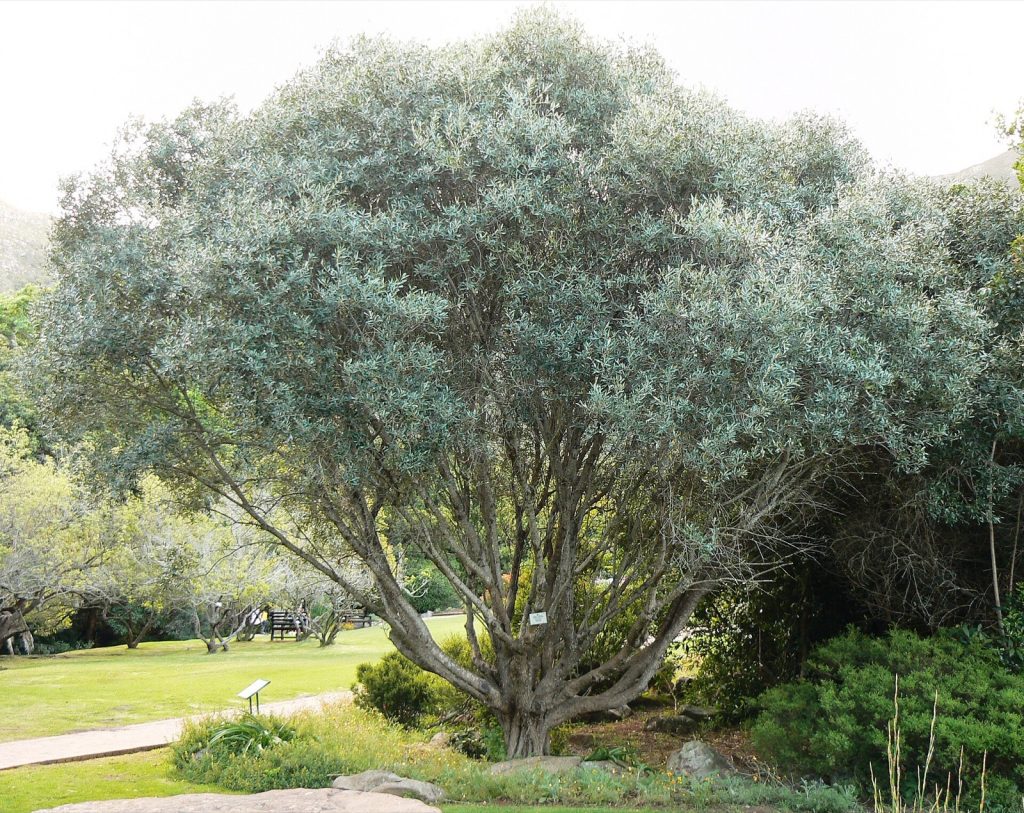
Are olive trees toxic to cats and dogs? The true olive tree, Olea europaea, is not on the ASPCA’s list of plants poisonous to cats or dogs, and the veterinary and extension references checked for this guide do not flag its leaves, bark or fruit as poisonous. The real risks sit around the tree rather than in it: pits that choke or block, fallen fruit, fertilizers and sprays, and pollen. Below: what the ASPCA list actually says, the toxic plants that get confused with olives, the practical hazards, and when to call the vet.
Are olive trees toxic to cats? What the ASPCA list really says
This is where a lot of pages get it wrong. As of 2026, the ASPCA’s toxic and non-toxic plant database had no entry for the common olive at all. The “olives” it does list as non-toxic to dogs, cats and horses are Russian olive and autumn olive, which are Elaeagnus shrubs from a completely different plant family. Plenty of websites and plant apps have taken that entry and applied it to the real olive tree.
The ASPCA also says plainly that its list is not meant to be all-inclusive, and that eating any plant material can cause vomiting and stomach upset in dogs and cats. So the honest summary is this: the olive is not a recognized pet poison, but “not listed” is not the same as “tested and cleared.”
What keeps the worry low in practice is that people eat the fruit and oil every day, and that raw olive leaves and fruit are intensely bitter. The bitterness comes from oleuropein, the same compound that makes a fresh olive inedible until it is cured, as explained in why olives are bitter straight from the tree, and it tends to limit how much any animal will eat.
The dangerous look-alikes
Common names cause most of the confusion. Two plants that get mixed up with olives are genuinely toxic, and one of them is the olive’s own cousin.
| Plant | Related to the olive? | ASPCA listing |
|---|---|---|
| Olive (Olea europaea) | It is the olive | Not listed |
| Russian olive, autumn olive (Elaeagnus) | No, a different family | Non-toxic to dogs, cats and horses |
| Jasmine (Jasminum) | Yes, same family (Oleaceae) | Non-toxic to dogs, cats and horses |
| Privet (Ligustrum) | Yes, same family (Oleaceae) | Toxic to dogs, cats and horses: stomach upset, incoordination, fast heart rate |
| Oleander (Nerium oleander) | No, despite the name | Toxic to dogs, cats and horses: contains cardiac glycosides |
Oleander is the one that matters. It thrives in the same sunny, dry gardens as olives and is often planted right beside them in California and the Southwest. If you are not sure which shrub your pet chewed, take a photo or a sprig with you to the vet.
The real risks around an olive tree
- Pits. An olive pit is hard and the wrong size for a small dog’s or a cat’s throat and gut. The American Kennel Club warns that pits can cause choking, block airways and lodge in a dog’s intestinal tract, and a dog could crack a tooth chewing one.
- Fallen fruit. A fruiting tree drops olives for weeks in fall and winter. Raw fruit is bitter rather than poisonous, but a dog that gorges on windfalls swallows pits and can end up with an upset stomach. Rotting fruit can also grow molds, and the ASPCA warns that fungal toxins in decomposing organic material can cause tremors and seizures in dogs. Rake windfalls up.
- Kitchen olives. Cured, salty, stuffed and garlicky olives are a separate question; our guides on whether dogs can eat olives and cats can eat olives cover them.
- Fertilizers. The ASPCA says fertilizers irritate the stomach and gut, and large amounts can cause severe vomiting, diarrhea and even neurologic signs. Products made with bone meal or blood meal are especially tempting to dogs, and some fertilizers also contain insecticides. Store bags sealed and keep pets off treated ground as the label directs.
- Sprays. Anything used on the tree for scale insects, fruit fly or fungus, and the growth-regulator sprays used to stop fruiting, should be applied exactly as the label says, with pets kept away until it has dried or for as long as the label requires.
Olive pollen and pets
Olives are wind-pollinated and shed a great deal of pollen in spring. UC IPM describes it as highly allergenic. Clark County in Nevada has banned planting or selling European olive trees since 1991 because of their spring pollen, apart from approved low-pollen cultivars. The human side is covered in our piece on olive allergy.
Pets can have pollen allergies too. In dogs, the Merck Veterinary Manual describes itching as the most typical sign, with paw licking, face rubbing and skin or ear infections, usually on a seasonal pattern. If the scratching lines up with the spring bloom, tell your vet; allergy testing can help identify the allergens behind it. Fruitless varieties such as ‘Swan Hill’, which UC IPM notes for little fruit and pollen, are the better choice for an allergic household.
When to call a vet
- Your pet swallowed one or more olive pits, especially a small dog or a cat.
- Vomiting, repeated retching, drooling, a painful or swollen belly, straining without passing stool, or loss of appetite in the day or two after eating olives.
- Choking, gagging or pawing at the mouth.
- Tremors, wobbliness or a seizure after eating windfall fruit, compost or anything from the garden shed.
- Any chance they chewed oleander or privet.
- They ate fertilizer, pesticide or a product you cannot identify. Bring the package.
The ASPCA Animal Poison Control Center answers 24 hours a day, 365 days a year, at (888) 426-4435; a consultation fee may apply.
Garden centers love a “pet safe” tag on an olive tree, and plenty of plant apps claim the ASPCA lists olives as non-toxic. It does not. The entry being copied is for Russian olive, an unrelated shrub. The olive is still one of the more pet-friendly trees you can plant, but check a plant’s Latin name, not its common name, before you trust any safe list.
Frequently asked questions
Are olive tree leaves poisonous to cats?
Olive leaves are not a recognized cat poison, and the olive tree is not on the ASPCA’s toxic plant list. Chewing leaves can still cause vomiting or a mild upset stomach, as almost any plant can.
Are olive trees toxic to dogs?
The tree itself is not a known dog poison. The risks are pits, which can choke a dog or block its intestines, fallen fruit, and fertilizers or sprays used around the tree.
Does the ASPCA list the olive tree as non-toxic?
No. As of 2026, the ASPCA database had no entry for Olea europaea. The olive it lists as non-toxic is Russian olive, an unrelated Elaeagnus shrub.
What should I do if my dog ate an olive pit?
Watch closely for choking, vomiting, a painful belly, straining or loss of appetite over the next day or two, and call your vet if any appear. For a small dog, a cat or several pits, call the vet straight away.
Is an indoor olive tree safe with a cat?
As far as toxicity goes, generally yes. Keep granular fertilizer and insecticide products off the pot surface, cover the soil if your cat digs, and pick up any fallen fruit.
Sources
- Russian Olive, ASPCA
- Can Dogs Eat Olives?, American Kennel Club
- Olive, UC Statewide IPM Program
- Allergies in Dogs, Merck Veterinary Manual
This is general information, not veterinary advice. If your pet is unwell or has eaten something that worries you, call your vet or an animal poison control line straight away.