Olive Oil Shots: What a Daily Spoonful Really Does
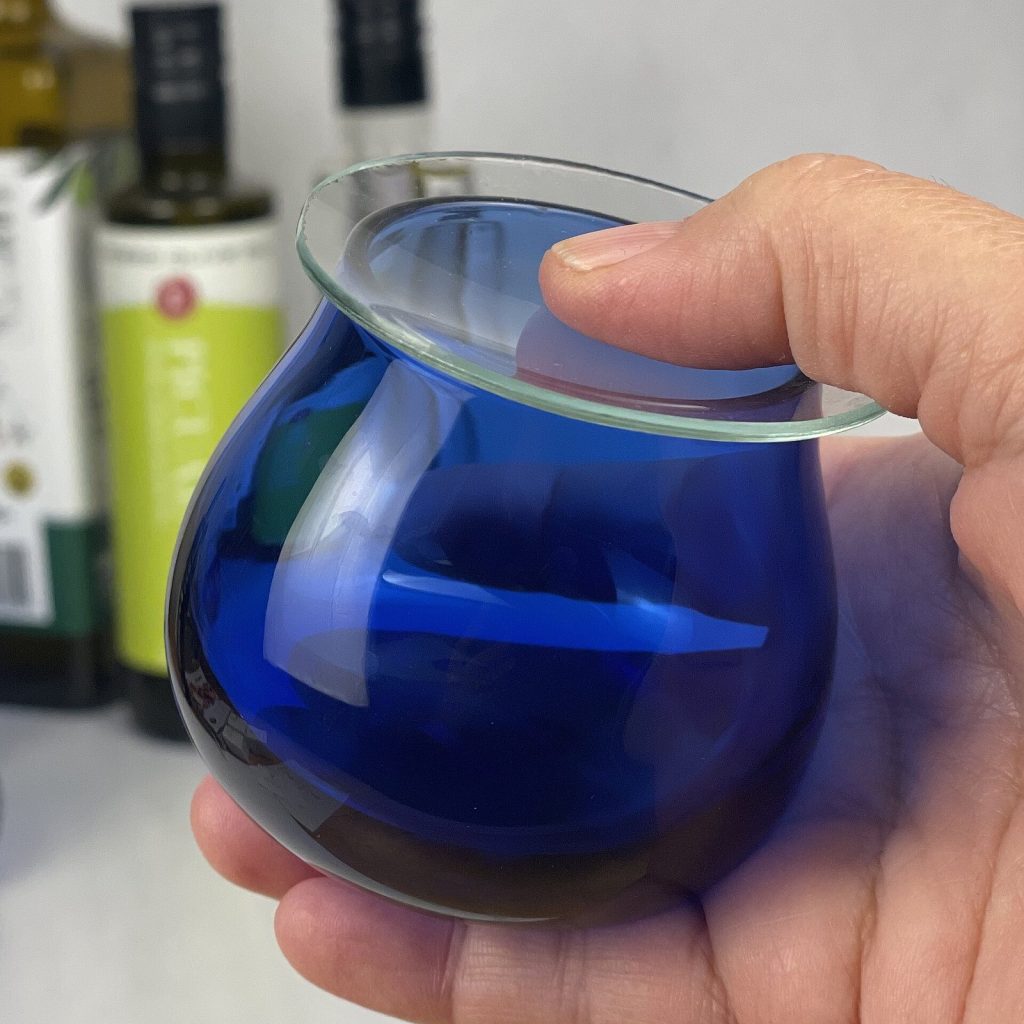
Olive oil shots, a tablespoon or two of olive oil swallowed straight, usually first thing in the morning, deliver the same fat and polyphenols as the same oil eaten with food, and no study has shown that the shot works better. The evidence for olive oil is real, but it comes from people eating it in meals in place of other fats. Here is what a tablespoon contains, what the research found, and the side effects.
Why olive oil shots took off
The daily shot spread through social media and celebrity morning routines, usually sold as a Mediterranean secret. The claims vary: it coats the stomach, it detoxes, it burns fat, it makes skin glow, it “absorbs better” on an empty stomach. Buyers from olive-growing regions always found the idea of measuring oil by the spoon a little funny; at home it simply went on everything. That difference turns out to matter.
What is in one tablespoon of olive oil
| Nutrient | Per tablespoon (13.5 g) | Note |
|---|---|---|
| Calories | 119 | Same for every grade, cheap or premium |
| Total fat | 13.5 g | Olive oil is essentially pure fat |
| Monounsaturated fat | About 9.9 g | Mostly oleic acid |
| Saturated fat | About 1.9 g | |
| Polyunsaturated fat | About 1.4 g | |
| Vitamin E | About 1.9 mg | Roughly 13% of the daily value |
| Vitamin K | About 8 mcg | Roughly 7% of the daily value |
| Protein, carbohydrate, fiber | 0 | |
| Polyphenols | Varies widely | Highest in fresh extra virgin, low in refined and light oils |
Figures are from USDA FoodData Central. The polyphenols are the part people are really chasing: the bitter, peppery compounds of fresh extra virgin oil, including oleocanthal, the one that catches the throat. What they can and cannot do is covered in Is Olive Oil Anti-Inflammatory?.
What the evidence on daily olive oil actually shows
The strongest evidence is the PREDIMED trial in Spain. It assigned 7,447 people aged 55 to 80, all at high risk of heart disease, to a Mediterranean diet with extra virgin olive oil, a Mediterranean diet with nuts, or advice to cut fat. The olive oil group was given extra virgin olive oil free of charge. Over a median of 4.8 years, major cardiovascular events (heart attack, stroke or cardiovascular death) occurred in 3.8% of the olive oil group against 4.4% of the low-fat group, a relative reduction of roughly 30%. The results were retracted and republished in 2018 after randomization problems were found at 2 of the 11 study sites, and the reanalysis gave similar results.
The second pillar is a Harvard T.H. Chan School of Public Health study of 60,582 women and 31,801 men followed from 1990 to 2018 and published in 2022. People in the highest intake group, more than 7 grams a day (a little over half a tablespoon), had a 19% lower risk of death from any cause than those who never or rarely used it. Using olive oil in place of margarine, butter, mayonnaise or dairy fat was linked to lower risk. Two caveats: it is observational, so it shows association rather than cause, and no significant risk reduction was seen when olive oil was compared with other vegetable oils. There is more detail in the biggest olive-oil health study yet, and the wider picture is in Olive Oil and Heart Health.
Notice what none of these studies tested: a shot. The oil was cooked with, poured on salads and eaten with bread, as part of a way of eating, and much of the benefit tracks with what it replaced.
Why a shot is not better than eating it with food
- No evidence for the empty stomach. No trial shows that olive oil works better taken alone before breakfast.
- Food makes it work harder. Fat helps you absorb carotenoids and other fat-soluble nutrients from vegetables; a small study found salad carotenoids were barely absorbed with a fat-free dressing. The same tablespoon on tomatoes or greens does double duty.
- The swap is the point. The US FDA’s qualified health claim for olive oil, based on “limited and not conclusive” evidence, mentions about 2 tablespoons (23 grams) a day, and it only applies if the oil replaces a similar amount of saturated fat without raising total calories.
- A shot on top adds up. An extra 119 calories a day is more than 43,000 calories a year if nothing else changes.
Side effects and who should be careful
For most healthy adults a tablespoon is harmless. Some people find that straight oil on an empty stomach upsets their digestion, with nausea or loose stools, and larger amounts make that more likely. Fatty foods are on the NHS list of foods that can cause or worsen heartburn, so anyone with reflux may feel it. People with gallstones should be cautious: the NHS notes they may be advised to eat a low-fat diet. If a doctor has put you on a low-fat diet, ask before adding oil. And the throat catch or cough from a fresh extra virgin is normal; why fresh oil tastes peppery explains it.
If you do want a daily spoonful, choose a fresh extra virgin with a harvest date, in dark glass or a tin, and taste it: fruity, a little bitter and peppery is what you are paying for. Refined and “light” olive oils carry the same calories but far fewer polyphenols; Olive Oil Grades Explained shows how the grades differ.
Oils sold for shots, or with a big polyphenol number on the front, often cost three or four times what a good everyday extra virgin does. That number is usually measured at bottling, and polyphenols fall steadily as oil ages, so the figure on a bottle that has sat in a warehouse and then your cupboard is optimistic. The Harvard cohort measured ordinary olive oil use in American kitchens, not specialist bottles. A fresh, peppery extra virgin eaten with your meals is the version the evidence actually describes.
Frequently asked questions
Is it good to take a shot of olive oil every day?
It is harmless for most healthy people, but it is not better than eating the same amount with food. The benefits seen in studies came from olive oil replacing other fats in meals, so a shot on top of your usual diet mainly adds calories.
Should you drink olive oil on an empty stomach?
There is no evidence that an empty stomach improves the benefits. Some people get nausea, loose stools or heartburn from straight oil on an empty stomach, so taking it with food is the gentler choice.
How much olive oil is in a shot?
Usually one to two tablespoons, about 120 to 240 calories. In the Harvard study, the lower risk was seen at a little over half a tablespoon (more than 7 grams) a day, used in meals rather than as a shot.
Do olive oil shots help you lose weight?
No study shows that. A tablespoon carries about 119 calories, so a daily shot only fits a weight loss plan if it replaces other fats rather than adding to them.
Why does olive oil burn my throat?
Fresh extra virgin olive oil contains oleocanthal, a compound that catches the back of the throat. It is a sign of fresh, polyphenol-rich oil and is harmless.
Sources
- Higher olive oil consumption linked with lower risk of premature death, Harvard T.H. Chan School of Public Health
- PREDIMED Study Retraction and Republication, The Nutrition Source, Harvard T.H. Chan School of Public Health
- Heartburn and acid reflux, NHS
- Qualified Health Claim: Monounsaturated Fatty Acids from Olive Oil and Coronary Heart Disease, US Food and Drug Administration
This is general information, not medical advice. If you have gallstones, reflux, a digestive condition, or a doctor has advised a low-fat diet, check with them before starting a daily olive oil habit.