Setting Up a Potted Olive Tree on Day One: Pot, Soil, Spot
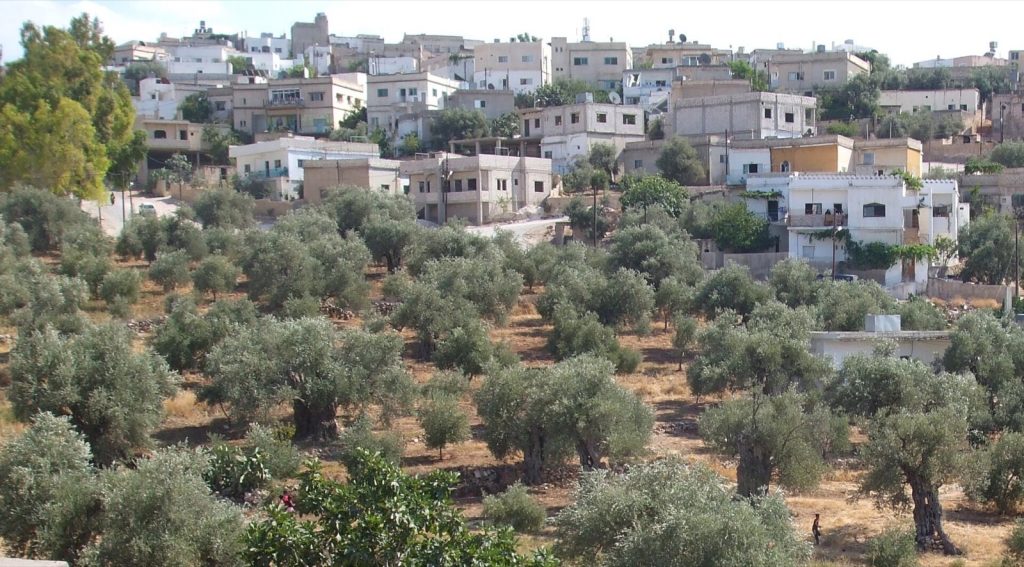
To set up a potted olive tree on day one, choose a pot with generous drainage holes, fill it with a gritty mix of potting soil and pumice or perlite, and put it in the sunniest spot you have. Get those three right and most of the usual problems never start. Below: the pot, the mix, the spot, the first day step by step, then repotting, and the olive tree soil questions if you plant in the ground instead.
The pot: size and drainage
Start with a pot only 2 to 4 inches wider than the one the tree came in. A big jump leaves a mass of wet mix the roots can’t reach, and that is how new olives drown. It must have generous drainage holes: a handsome pot with no hole is a cover pot, not a planter. Terracotta dries faster than plastic or glazed ceramic, which forgives overwatering but asks for more attention in summer. Stand it on pot feet or a couple of tiles so the holes stay clear.
The soil: a gritty potting mix
A container is where olive tree soil matters most, because there is no deep ground for water to escape into. Plain garden soil compacts in a pot and stays wet, and “moisture control” mixes are designed to do exactly what an olive hates. You want a mix that holds some water but drains within seconds and keeps air around the roots. A reliable recipe is 2 parts good bagged potting mix (not garden soil or topsoil) to 1 part pumice, perlite or small crushed rock about 1/8 to 1/4 inch across. In a rainy climate, swap some of the potting mix for cactus and citrus mix for a faster-draining blend.
Pumice and crushed rock add weight, which helps keep a tall olive from blowing over; perlite is light and tends to float to the surface over time. Avoid fine sand, which fills the pore spaces instead of opening them. Use a pot with generous drainage holes and mix the grit all the way through. This page is the first-day setup; our guide to growing olive trees in pots covers pot sizes and care as the tree grows.
| Situation | What to use | Why |
|---|---|---|
| Sandy or loamy ground | Native soil, no amendments | Already drains; water a new tree a little more often |
| Heavy clay | Native soil on a raised mound or bed | Lifts the roots above the wet layer |
| Chalky or alkaline ground | Native soil, no pH adjustment | Olives tolerate pH up to about 8.5 |
| Standard container | 2 parts potting mix to 1 part pumice or perlite | Holds some water, drains fast |
| Container in a rainy climate | Part cactus and citrus mix, plus extra pumice | Dries faster between rains |
| Mature tree in its final pot | Fresh mix on the top 1 to 2 inches each spring | Refreshes the mix without disturbing roots |
The spot: full sun, some shelter
Olives are full-sun trees and want six hours or more of direct sun a day, so pick the sunniest place you have outdoors, not the brightest corner of a room. A tall olive in a pot catches a lot of wind, so a little shelter helps, and a heavy pot keeps it from blowing over. Leave it outside through the cool months if you can, because it needs that chill to flower. If it has to live indoors, our indoor olive tree care guide covers the light it will need.
The first day, step by step
- Water the tree in its nursery pot the day before, so the root ball holds together.
- Mix the grit through the whole batch, and skip any gravel layer in the bottom.
- Slide the tree out and tease apart any circling roots.
- Set it at the same depth it was growing, with the top of the root ball about an inch below the rim. Never bury the trunk deeper.
- Fill around it, firm gently and water until it runs out of the holes.
- Keep it out of harsh afternoon sun and wind for a week or two, and hold off on fertilizer for about a month.
Repotting olive trees: when and how
A young olive usually needs a bigger pot every two to three years. The signs it is time: roots circling the inside of the pot or poking out of the drainage holes, water running straight through without soaking in, the mix drying out within a day in mild weather, or growth stalling. The best time is late winter to early spring, as growth begins and after the hardest frosts.
- Water the day before, so the root ball holds together and the roots are well hydrated.
- Choose a pot only 2 to 4 inches wider than the old one. A big jump leaves a mass of wet mix the roots can’t reach.
- Slide the tree out, tease apart circling roots, and cut away any that are dark, mushy or dead.
- Set it at the same depth as before, with the top of the root ball about an inch below the rim. Never bury the trunk deeper.
- Fill around it with fresh mix, firm gently, and water thoroughly until it drains.
- Keep it out of harsh afternoon sun and wind for a week or two, and hold off on fertilizer for about a month.
Once a tree reaches the biggest pot you can manage, root pruning keeps it there. Every three or four years, slide it out, trim an inch or two of roots from the sides and bottom, and replant it in the same pot with fresh mix. Thin the canopy lightly at the same time; our guide to pruning an olive tree explains how to do that with a light hand. In the years between, scrape off the top inch or two of old mix each spring and replace it with fresh.
In the ground instead: test your olive tree soil first
If you test only one thing, test drainage. It takes a day and a shovel:
- Dig a hole about 12 inches deep and wide where the tree will go.
- Fill it with water and let it drain completely, which wets the surrounding soil.
- Refill it, lay a stick across the top, and measure the water level with a ruler every hour.
- A drop of about an inch an hour or faster is good. Much slower means poorly drained soil, and water still standing the next day means you should not plant a tree at ground level there.
Olive roots need air as much as water, and in waterlogged soil they suffocate and rot. The science of why olives do so well on thin, stony ground is in our piece on why olive trees thrive on poor, rocky soil; this guide is the practical version for a garden or a patio.
Soil pH and what olives actually need
Olives tolerate a wide pH range, roughly 5.5 to 8.5, and are comfortable anywhere from slightly acidic to moderately alkaline. That makes them one of the few fruit trees happy on the chalky, alkaline soils found across much of the West and Texas. Unless a soil test shows strongly acidic ground, below about 5.5, there is nothing to adjust. If you want a number, your state’s extension service can test a soil sample for a modest fee.
Fertility matters less than people think: rich soil pushes lush leaves at the expense of fruit, so skip the bags of compost in the planting hole. A light feed in spring is plenty, as our olive tree care guide explains.
Preparing in-ground soil for an olive tree
- Dig wide, not deep. Make the hole two to three times as wide as the root ball and no deeper, so the tree doesn’t settle below ground level.
- Plant at grade or slightly above. The top of the root ball should sit level with the surrounding soil, or an inch or two higher.
- Backfill with the soil you dug out. A hole full of rich compost in heavy clay acts like a bathtub, collecting water around the roots, and roots establish better when they grow into native soil from the start.
- On clay, build up. If drainage is poor, plant on a broad mound or raised bed, roughly 12 to 18 inches high and several feet across, so the root zone sits above the wet layer.
- Don’t add a little sand to clay. Small amounts of sand in clay can pack down harder than the clay alone.
- Mulch, but not against the trunk. A 2 to 3 inch layer of gravel or wood chips keeps roots cool and weeds down; leave a few inches of bare soil around the trunk.
The layer of gravel or broken pottery in the bottom of a pot, still recommended on some plant labels, makes drainage worse, not better. Water does not move from fine mix into coarse gravel until the mix just above it is saturated, so the soggy zone simply sits higher in the pot, right where the roots are. Skip the layer, mix the grit through the whole pot, and keep the holes clear.
Frequently asked questions
Can I use cactus soil for an olive tree?
Yes, as part of the mix. Blending cactus and citrus mix with regular potting mix and some pumice gives good drainage, while cactus mix alone can dry out very fast in a hot summer.
What pH do olive trees like?
Olives tolerate roughly 5.5 to 8.5 and grow well in soil from slightly acidic to moderately alkaline. Most garden soils need no adjustment at all.
Do olive trees grow in clay soil?
They can if the clay drains. In heavy clay that holds water, plant on a raised mound or bed so the roots sit above the wet layer.
How often should you repot an olive tree?
Every two to three years while it is young and growing. A mature tree in its final pot can be root pruned every three or four years and top-dressed with fresh mix each spring.
Should I put gravel in the bottom of an olive tree pot?
No. A gravel layer raises the wet zone instead of draining it. Mix grit through the whole pot and make sure the drainage holes stay clear.