Watering an Olive Tree in a Pot or in the Ground: A Simple Schedule and the Tools That Help
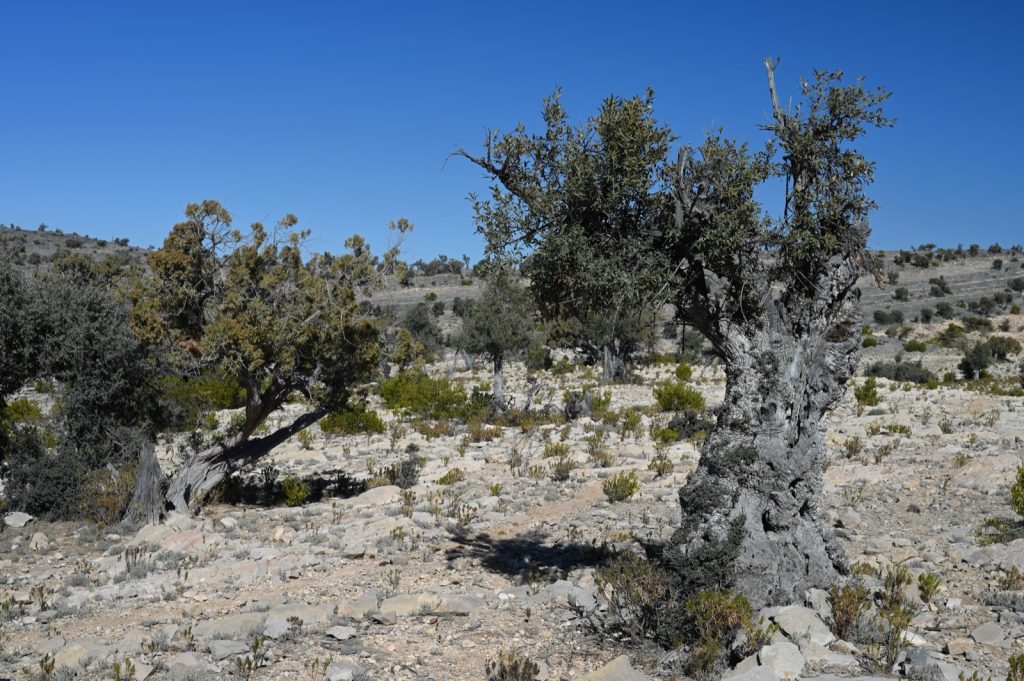
How often to water olive trees depends on age and setting: a newly planted tree needs a deep soak about once a week in warm weather, an established tree in the ground often only every three to four weeks through a dry summer, and a potted olive whenever the top 2 inches (5 cm) of mix are dry. In every case, water deeply and then let the soil dry out, because soggy roots kill far more olives than drought does. Below: a simple schedule by setting, season and climate, the warning signs of too much and too little, the test that beats any calendar, and the few tools that help.
How often to water olive trees in the ground
New trees need the most help. For the first growing season, give a deep soak about once a week in warm weather, twice a week in a heat wave or in very sandy soil, and less in cool or rainy spells. Aim the water at the original root ball. A nursery root ball is usually a lighter, fluffier mix than your garden soil, and it can dry out while the ground around it still feels damp. A shallow basin of soil around the tree helps the water sink in where it is needed.
In the second and third summers, stretch the interval to every 10 to 14 days and move the water outward toward the edge of the canopy, where the roots are spreading. By year three or four an olive in the ground is established, and in a dry-summer climate a deep soak every three to four weeks keeps it healthy. Where summer rain is regular, it may need nothing extra except in dry spells.
Deep means deep. A good soak wets the soil a foot or more down; push a trowel or a long screwdriver in an hour later to check. Frequent light sprinkles do the opposite of what you want, keeping the surface damp and the roots shallow. The time to be generous is flowering and fruit set in spring and while the fruit swells in summer, because that is when drought stress costs you olives, as our note on how an olive tree drinks explains. For why an established tree copes with so little the rest of the time, see the taproot and the drought.
How often to water olive trees in pots
A pot has no reserve, so container trees need water far more often than trees in the ground. The rule is simple: water when the top 2 inches of mix are dry, and not before. In summer that is often every 2 to 4 days, and a small pot in a heat wave may need water daily. In winter, when growth almost stops, it may be every 2 to 3 weeks.
When you do water, keep going until it runs out of the drainage holes, then empty the saucer after half an hour so the pot doesn’t sit in a puddle. Terracotta dries faster than plastic or glazed ceramic, and a small pot faster than a big one, so two olives on the same patio may need different schedules. Our guide to growing olive trees in pots covers pot size and mix.
A simple schedule by season and climate
Treat the table as a starting point, not a rule, and adjust it for your soil, your weather and what the finger test tells you.
| Tree and setting | Spring and summer | Fall and winter |
|---|---|---|
| Newly planted, in the ground | About once a week; twice in extreme heat or sandy soil | Every 2 to 4 weeks if the weather is dry; none if it rains |
| Years 2 and 3, in the ground | Every 10 to 14 days | Only in long dry spells |
| Established, dry-summer climate (California type) | Deep soak every 3 to 4 weeks | Rainfall is usually enough |
| Established, low desert (Arizona type) | Deep soak about every 2 to 3 weeks | Every 4 to 8 weeks if there is no rain |
| Established, humid climate with summer rain | Only in dry spells of 2 to 3 weeks or more | Rarely, if ever |
| In a pot, outdoors | When the top 2 inches are dry, often every 2 to 4 days | Every 1 to 3 weeks, only when dry |
| In a pot, indoors | About weekly in a bright, warm room; check first | Every 2 to 3 weeks in a cool room |
For how watering fits with pruning and feeding through the year, see our olive tree care guide.
Signs of overwatering and underwatering
The two problems look confusingly alike, since both make leaves curl, yellow and fall. The soil tells them apart. Signs you are overwatering:
- Leaves turning yellow and dropping, often starting on the inner and lower branches.
- Soil still wet several days after watering, or water pooling on the surface.
- A sour smell from the pot, and dark, soft roots instead of firm, pale ones.
- Wilting or curling leaves even though the soil is damp.
Signs you are underwatering:
- Leaves folding or curling inward along the midrib, and looking duller and grayer.
- Crisp brown tips, then leaves dropping.
- Soft new shoots drooping at the tips.
- Mix pulling away from the side of the pot, and a pot that feels light when you lift it.
A thirsty olive perks up within a day or two of a deep drink. An overwatered one does not, and the first fix is to stop watering and let it dry out, not to reach for fertilizer.
The finger test and drainage
The finger test is the whole method. Push a finger into the mix up to the second knuckle, about 2 inches. If it feels dry at the fingertip, water. If it feels cool and damp, wait and check again in a couple of days. For a tree in the ground, dig down 4 to 6 inches with a trowel at the edge of the root zone and feel the soil there. Lifting a pot works too, once you know how heavy it is freshly watered.
None of it works without drainage. A pot needs holes, and it should stand on pot feet or a couple of tiles so they never block. In the ground, an olive in heavy clay that holds water will struggle however carefully you water it; fast-draining ground is what the tree evolved on, as our piece on why olive trees thrive on poor, rocky soil explains. If water still sits in a planting hole a day after you fill it, plant on a raised mound instead.
The tools that help
You need very little, and none of it replaces the finger test.
- A watering can or a slow hose. Water put down slowly at the base of the tree soaks in; a fast blast runs off.
- A trowel or a long screwdriver. Push it in an hour after watering to see how far down the water went.
- Pot feet or a couple of tiles. They keep the drainage holes clear.
- A soil basin, a soaker hose or a drip line. For a tree in the ground, a shallow basin holds water over the root ball, and a drip line on a timer saves work through the first dry summers. Check the soil now and then, because a timer does not know it rained.
- A moisture meter, if you like one. Cheap ones are a rough guide at best, so check the reading against your finger.
Many olives are sold sitting in a handsome outer pot with no drainage hole, the plastic nursery pot tucked inside. Every watering runs through and collects in the bottom of the outer pot, out of sight, and the roots sit in it for weeks. If you use a decorative pot, lift the inner pot out after watering, tip out what has collected, and put it back. It takes ten seconds and saves more potted olives than any watering schedule.
Frequently asked questions
Should I water my olive tree every day?
No. Daily watering is only ever needed for a small pot in a heat wave. Otherwise, water deeply and wait until the top 2 inches of soil are dry before the next drink.
How much water does an olive tree need each time?
Enough to soak the whole root zone. In a pot, water until it runs out of the drainage holes; in the ground, water slowly until the soil is wet a foot or more down.
Should I water an olive tree in winter?
Trees in the ground usually get enough from winter rain, though a dry desert winter calls for an occasional deep soak. Potted trees need water only when the mix is dry, often every 2 to 3 weeks.
Can you overwater an olive tree?
Easily, and it is the most common way potted olives die. Wet roots rot, the leaves yellow and drop, and more water only makes it worse.
Do olive trees need more water when fruiting?
They need steady moisture at flowering, at fruit set and while the fruit swells in summer. Drought at those times makes the tree drop flowers and shrivel young fruit.