Olive Oil in Coffee: Does It Work, and Is It Worth It?
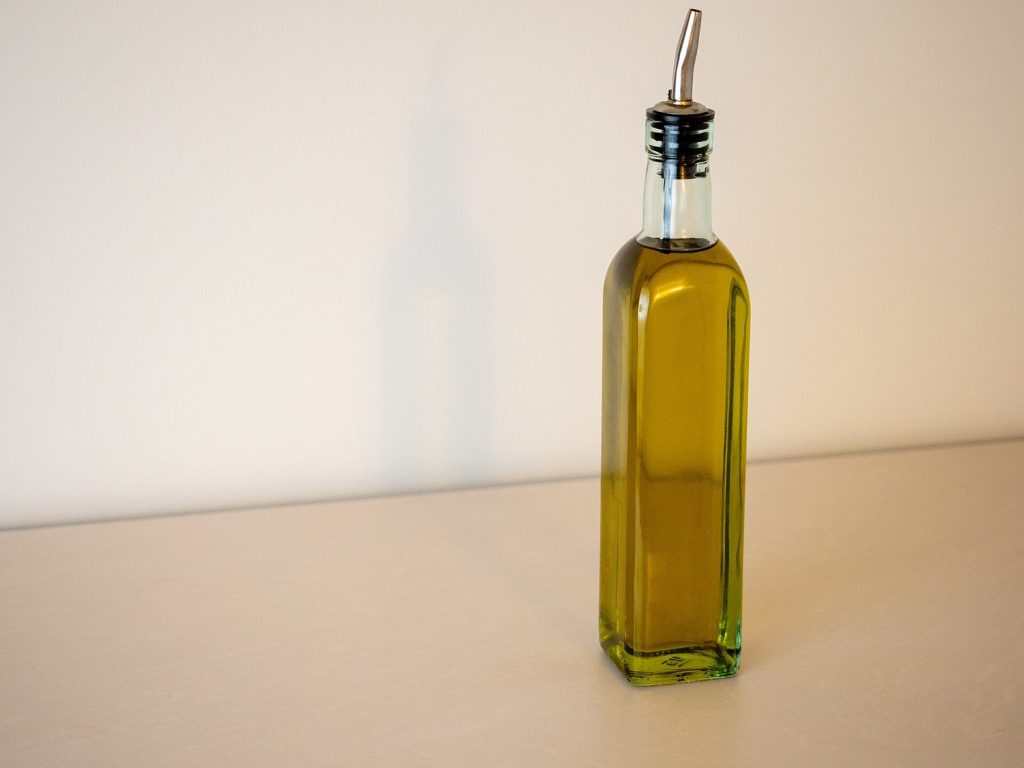
Olive oil in coffee is exactly what it sounds like: a spoonful of extra virgin olive oil steamed or blended into a latte or coffee, which gives a rounder, silkier drink with a buttery or peppery edge depending on the oil. It is safe for most people, but the health claims around it run well ahead of the evidence, and the side effect people mention most is digestive. Below: the trend, a home method, the oil to use, the evidence and the cost.
Where the olive oil coffee trend came from
Olive oil coffee went mainstream when Starbucks unveiled Oleato at its Reserve Roastery in Milan on February 21, 2023, with the drinks in Italian stores the next day. Each one was infused with Partanna extra virgin olive oil from the Belice Valley in Sicily, pressed from Nocellara del Belice olives, the same variety sold as Castelvetrano table olives. The US followed with select stores in spring 2023 and nationwide availability at the end of January 2024. Customers could also add “a press” of oil, which Starbucks described as the equivalent of a spoonful.
It did not last in the US. Starbucks took Oleato off US menus in early November 2024, putting it down to simplifying the menu; at the time, the drinks were reported to be staying on in China, Italy and Japan. By then social media was full of customers and staff joking about the drinks’ effect on the gut.
The idea outlived the product. Home versions are everywhere, and it sits in the same family as the butter coffee fad: a spoonful of fat in the morning cup, sold as fuel.
How to make olive oil coffee at home
The problem to solve is that oil floats. Stir a spoonful into black coffee and you get a slick on top and an oily last sip. The fix is to emulsify it into milk.
- Pull a shot of espresso or brew a small, strong coffee.
- Add 1 teaspoon of extra virgin olive oil to your milk before heating it. Oat milk works well, as does whole milk.
- Steam, froth or blend the milk and oil together until smooth and glossy. A steam wand does it best; a handheld frother or a blender works.
- Pour over the coffee and taste before adding any sweetener.
For iced coffee, blend the oil with cold milk and pour it over coffee and ice. Start small, for reasons covered below.
What it tastes like, and which oil to use
A mild, ripe oil makes the drink taste richer and faintly nutty, a little like switching to whole milk. A robust early-harvest oil brings bitterness and a peppery catch at the back of the throat, the signature of oleocanthal, which some people love with espresso and others find harsh in milk.
| Oil style | Examples | What it does in coffee |
|---|---|---|
| Mild, ripe, buttery | Nocellara del Belice, Arbequina, many late-harvest oils | Rounder body and gentle sweetness; the easiest place to start |
| Medium, fruity | Most good everyday extra virgin blends | Clear olive flavor and a light peppery finish; fine in a latte |
| Robust, peppery | Coratina, Picual, early-harvest oils | Bitter, peppery kick; bold with espresso, divisive in milk |
| Refined or “light” olive oil | Supermarket light or pure olive oil | Adds fat and calories but almost no flavor; pointless here |
Freshness matters more than variety. A tired oil tastes of crayons or old nuts in hot milk, and there is nowhere for that to hide. Buy by harvest date, not best-by date, and finish the bottle within a few months of opening it.
The health claims for olive oil in coffee
Online, olive oil coffee is said to keep you full, steady your energy, shield your stomach from coffee’s acidity, and help your gut, heart and skin. Here is what holds up.
- Olive oil’s heart benefits are about replacing, not adding. In 2018 the FDA said it would allow a qualified claim that supportive but not conclusive evidence suggests about 1½ tablespoons (20 grams) a day of oils high in oleic acid, such as olive oil, may reduce the risk of coronary heart disease, but only when they replace fats higher in saturated fat and do not add calories. An earlier FDA claim from 2004 put the olive oil amount at about 2 tablespoons (23 grams) a day, with the same conditions. A spoonful stirred into coffee on top of your usual diet is not that.
- Polyphenols are real, and variable. EU Regulation 432/2012 allows a claim that olive oil polyphenols help protect blood lipids from oxidative stress, but only for oils with enough of them (at least 5 mg of hydroxytyrosol and related compounds per 20 grams of oil). A mild, ripe oil that tastes best in coffee is usually at the low end.
- Feeling full is mostly calories. Fat slows the stomach, so a fatty coffee can feel filling. It also adds about 120 calories per tablespoon (USDA nutrient data lists 119 for 13.5 grams), and there is no good evidence it helps anyone lose weight.
- The combination itself is untested. There are no clinical trials of coffee with olive oil as a drink. Whatever olive oil does in a diet, stirring it into coffee has never been shown to add anything beyond the calories.
Heat is not the problem people fear. Coffee is served well below olive oil’s smoke point, so the oil does not break down the way it can in a very hot pan, though some of its aroma fades. Our piece on whether heating destroys olive oil’s benefits goes into the detail.
Digestive side effects
This is what Oleato became famous for. Coffee on its own gets the bowels moving for some people, and a spoonful of oil, especially on an empty stomach, adds a lubricating push. Customers posted that the drinks sent them straight to the bathroom, which is no mystery: oil of any kind helps stool move through the gut. It is the same effect people use on purpose in olive oil for constipation.
Go easy if you have irritable bowel syndrome or reflux (the NHS lists coffee and fatty foods among the things that can cause or worsen heartburn), if you have gallbladder trouble or have had your gallbladder removed, or if you are watching calories. Start with a teaspoon, have it with food the first few times, and see how you get on.
What it costs: a good oil versus a latte
The oil is the cheap part. A 500 ml bottle holds about 34 tablespoons, so at $20 to $40 for a bottle of good, fresh extra virgin, a tablespoon costs roughly 60 cents to $1.20 and a teaspoon 20 to 40 cents. Even a full tablespoon of excellent oil adds little more than a dollar to a homemade cup, a fraction of what a café latte costs. The fuller picture of what a real bottle should cost is in how much a real litre of oil should cost.
The real trade-off is taste: a great oil shows far more on bread, tomatoes or soup than hidden in steamed milk.
The oil in Oleato was a mild, buttery Nocellara del Belice, and that was the right call. A sharp, peppery oil in hot milk tastes harsh to most people. If you try this at home with the expensive “high polyphenol” bottle you were sold for your health, you will probably hate it, and a latte is not where that oil shows its best anyway. Use a fresh, mild oil for coffee and save the pungent one for bread and salad.
Frequently asked questions
Is olive oil in coffee good for you?
It is safe for most people, and olive oil is a healthy fat when it replaces butter or other saturated fats. There is no good evidence the combination does anything special, and a tablespoon adds about 120 calories.
How much olive oil do you put in coffee?
Start with 1 teaspoon per cup and work up to a tablespoon if you like it. Steam or blend it into the milk so it does not float on top.
Does olive oil in coffee make you poop?
It can. Coffee stimulates the bowel for some people and a spoonful of oil adds to the effect, which is what many Oleato drinkers reported. Start small and try it with food.
Does hot coffee destroy the benefits of olive oil?
No. Coffee is far cooler than olive oil’s smoke point, so the oil does not break down the way it can in a hot pan. Some delicate aroma, and possibly a little of the polyphenol content, may fade.
Is Starbucks Oleato still available?
Starbucks removed Oleato from US menus in November 2024. At the time, the drinks were reported to be staying on menus in China, Italy and Japan, so check your local menu.
Sources
- Letter Responding to Health Claim Petition dated August 28, 2003: Monounsaturated Fatty Acids from Olive Oil and Coronary Heart Disease (Docket No 2003Q-0559), U.S. Food and Drug Administration (via Regulations.gov)
- FDA Completes Review of Qualified Health Claim Petition for Oleic Acid and the Risk of Coronary Heart Disease, U.S. Food and Drug Administration
- In House Validated UHPLC Protocol for the Determination of the Total Hydroxytyrosol and Tyrosol Content in Virgin Olive Oil (EC Regulation 432/2012), Molecules, via NCBI PubMed Central
- USDA National Nutrient Database for Standard Reference: Energy (kcal), abridged list, USDA National Agricultural Library
This is general information, not medical advice. If you have a digestive condition, reflux, gallbladder problems, or are managing your weight or cholesterol with a doctor, check with them before making this a daily habit.