Spain Bans Refillable Olive Oil Cruets in Restaurants
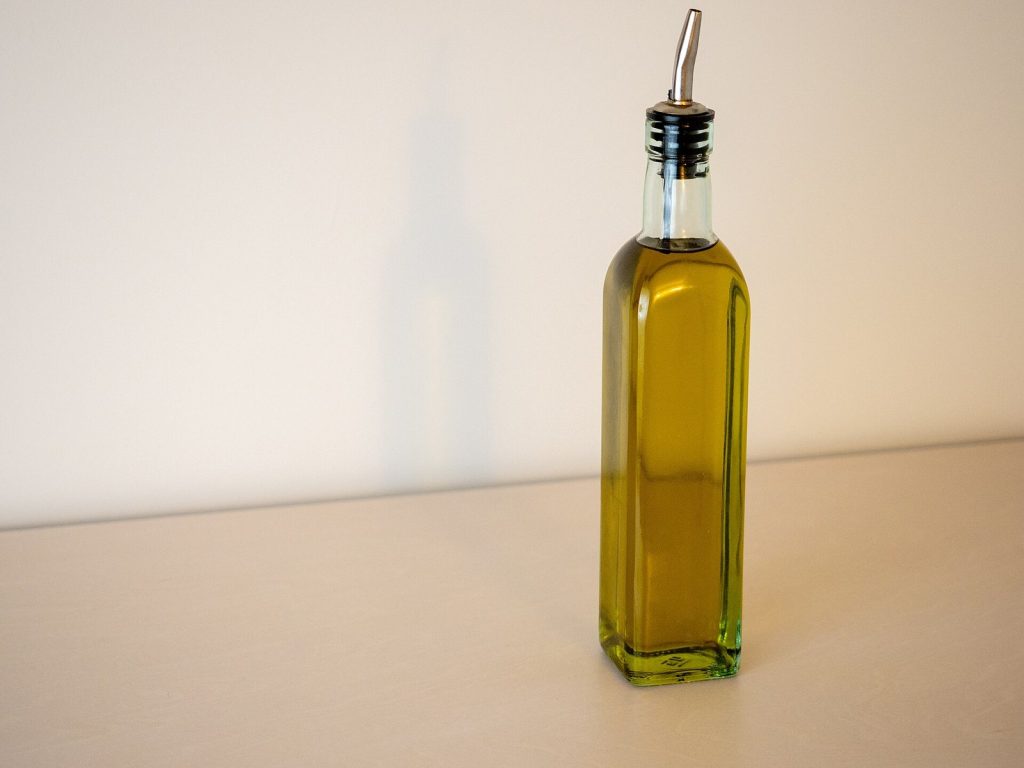
From January 1, 2014, Spanish bars, restaurants and caterers will no longer be allowed to serve olive oil in refillable cruets: the oil will have to come in labeled containers that cannot be refilled once empty. Madrid approved the rule on Friday, six months after Brussels dropped a similar plan for the whole EU. Here is what the decree says, why the olive sector cheered, and why the restaurant trade did not.
What the decree says
The Council of Ministers approved Royal Decree 895/2013 on November 15, and it appeared in the official gazette, the BOE, the next day. It amends the 2003 decree on olive oil marketing with a short new paragraph that will change a familiar sight on Spanish tables, the glass aceitera topped up from a big tin in the kitchen.
| Royal Decree 895/2013 | What it requires |
|---|---|
| Who | Hotels, bars, restaurants and catering services |
| Containers | Labeled, with an opening that loses its integrity after first use |
| Larger bottles used for several customers | Must also have a system that prevents refilling once the original contents are finished |
| In force | January 1, 2014 |
| Old stock | Oil bought before January 1 may be served until February 28, 2014 |
The decree’s preamble says the aim is to guarantee the quality and authenticity of the oil the customer actually gets, to improve the image of the product, especially protected designations of origin and established brands, and to tell diners what they are eating. It points to the EU’s olive oil action plan, which encouraged member states to require non-refillable containers in the hospitality trade.
Why Spain went ahead alone
In May the European Commission abandoned its plan for an EU-wide ban after a wave of public mockery, a retreat we covered at the time. Spain’s olive sector kept lobbying for a national rule, and Portugal and Italy already have similar measures; Italy’s came in with the “Salva Olio” law earlier this year.
The agriculture ministry sells the rule as an export measure. For many tourists, it argues, a restaurant table is their only contact with Spanish olive oil, and a good oil, well presented, is the best introduction there is. The Interprofesional del Aceite de Oliva Español, the sector’s promotion body, said consumers would be the main winners, and that for decades it had called the use of aceiteras absurd at a time when diners care more and more about what they eat.
The objections
The Spanish Federation of Hospitality is less keen. It warns that the rule will raise costs, add throwaway packaging and increase waste, particularly with single-use portions, since only rarely will a customer finish the contents. According to Olive Oil Times, breaches are expected to fall under existing consumer protection penalties, which run from about €600 to €15,000 for serious offenses and up to €600,000 for very serious ones.
- For diners: the label will now tell you the grade and who packed it.
- For restaurants: more expense, and less freedom to buy oil in bulk from a local mill.
- For bottlers: a new market for small tamper-proof bottles.
The refillable cruet was never the real problem; the tin in the kitchen was. A good bottle topped up week after week with whatever is cheapest, sitting by a sunny window, is how diners ended up with stale oil under a smart label. A sealed bottle fixes the swap, not the storage. If a restaurant’s sealed oil tastes flat or smells of crayons, it is old, and the seal does not change that. Know what light and heat do to olive oil and you will spot it at once.
Sources
- BOE: Real Decreto 895/2013, de 15 de noviembre (BOE no. 275, November 16, 2013)
- Olive Oil Times: Refillable Oil Bottles Banned in Spanish Bars and Restaurants (November 19, 2013)